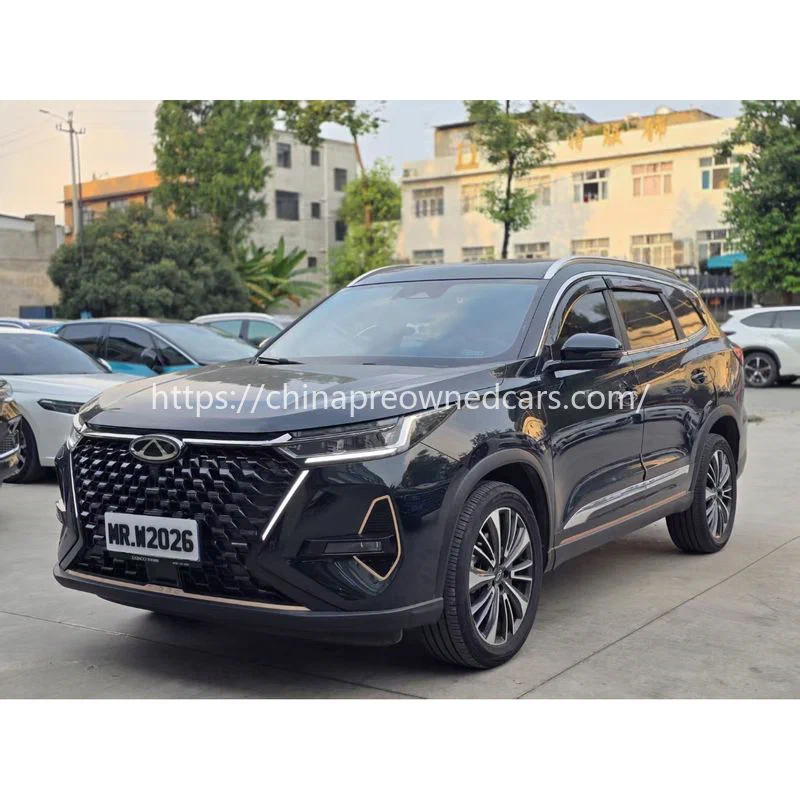
Exporting a used vehicle from China involves more than booking space on a vessel. Buyers need to verify the vehicle’s condition, complete export documentation, clear customs and select a shipping method suited to the vehicle and destination port. For African buyers considering Chinese SUVs, these steps also affect road suitability, maintenance planning and the final landed cost.
Vehicle inspection and road suitability
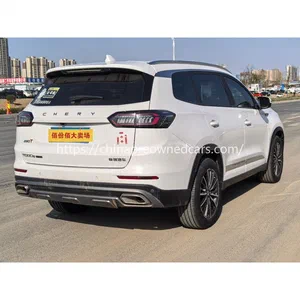
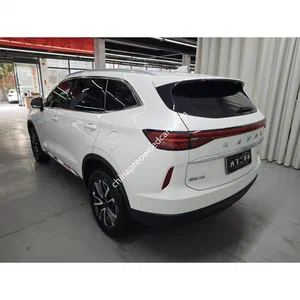
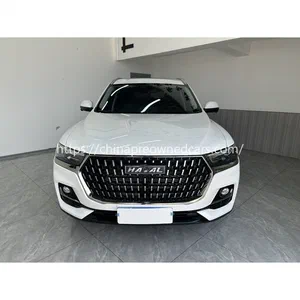
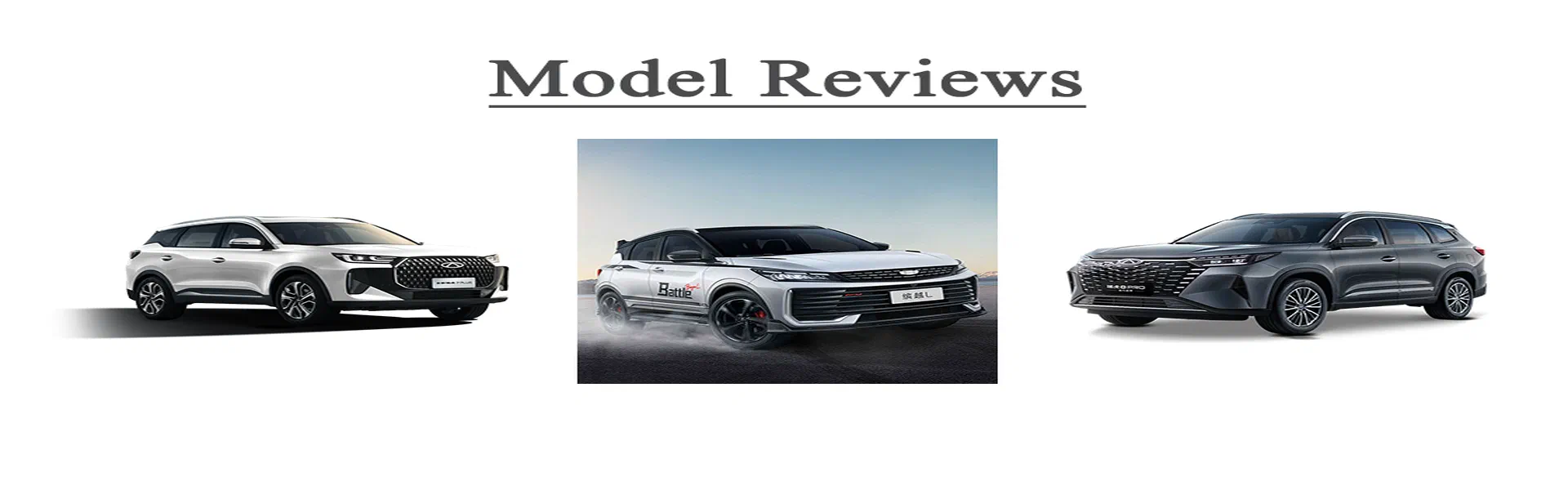
ChinaPreownedCars.com sources used Chinese-brand SUVs, including the BYD Atto 3, Chery Tiggo 7 Plus, Chery Tiggo 8 Pro, Geely Coolray and Haval H6. Their suitability for Ghana, Nigeria, Kenya, Uganda and Tanzania depends on the specific vehicle, local road conditions and maintenance support. Ground clearance matters on uneven roads and speed bumps, but an SUV badge alone does not establish off-road capability. Buyers should check underbody damage, suspension wear, tyre condition and signs of previous collision repairs.
Pre-shipment inspection should cover the engine or electric drive system, transmission where fitted, brakes, steering, lights, air conditioning and electronic warning systems. In hot climates, the cooling system and cabin air conditioning deserve particular attention. For the BYD Atto 3, request a battery state-of-health assessment, charging-system checks and available battery history. For combustion and hybrid models, inspect for fluid leaks, abnormal noises, diagnostic fault codes and evidence of neglected servicing. Ask for dated photographs, inspection findings and the VIN so the vehicle can be matched to its records. Any required export inspection or certification must be confirmed under current Chinese rules and the destination country’s requirements.
Export documentation and shipping options
Once the vehicle is selected and its condition reviewed, the exporter arranges the required export process. China’s used vehicle exports require the appropriate export licensing, customs declaration and pre-shipment inspection. The document package commonly includes the sales contract or commercial invoice, vehicle ownership and export documents, customs declaration records, bill of lading and, where applicable, certificate of origin. Exact requirements depend on the transaction and destination. The importer should confirm acceptable document formats and any additional clearance requirements with the destination’s customs authority or appointed clearing agent before shipment.

RoRo shipping suits vehicles that can be driven or handled through a roll-on, roll-off vessel. It can reduce handling steps, although sailing schedules, port availability and vehicle acceptance rules affect suitability. Container shipping provides an enclosed space and can reduce exposure to weather and some handling risks. It may suit higher-value vehicles or shipments requiring additional protection, but loading, securing and container charges affect total cost. Neither method removes all damage risk. Buyers should agree on the vehicle’s documented condition before loading and retain photographs of the exterior, interior and odometer.
Port handling and delivery planning
The process generally moves through vehicle preparation, inspection, document verification, export customs clearance, port delivery, vessel loading, ocean transit, arrival handling and destination customs clearance. After arrival, port charges, import duties, taxes, inspection requirements and local registration procedures may apply. Lead time depends on export processing, vessel schedules, transshipment, port congestion and customs release. Buyers should request a shipment-specific estimate rather than rely on a fixed transit promise. Before paying, clarify the payment milestones, which charges are included, who arranges insurance and what happens if inspection identifies a material discrepancy. Search terms such as used cars under 2000 may lead to low-budget listings, but the vehicle price alone does not establish export suitability or the total landed cost. Confirm the complete cost breakdown before committing funds.
FAQ
Q: What documents are needed to export a used car from China?
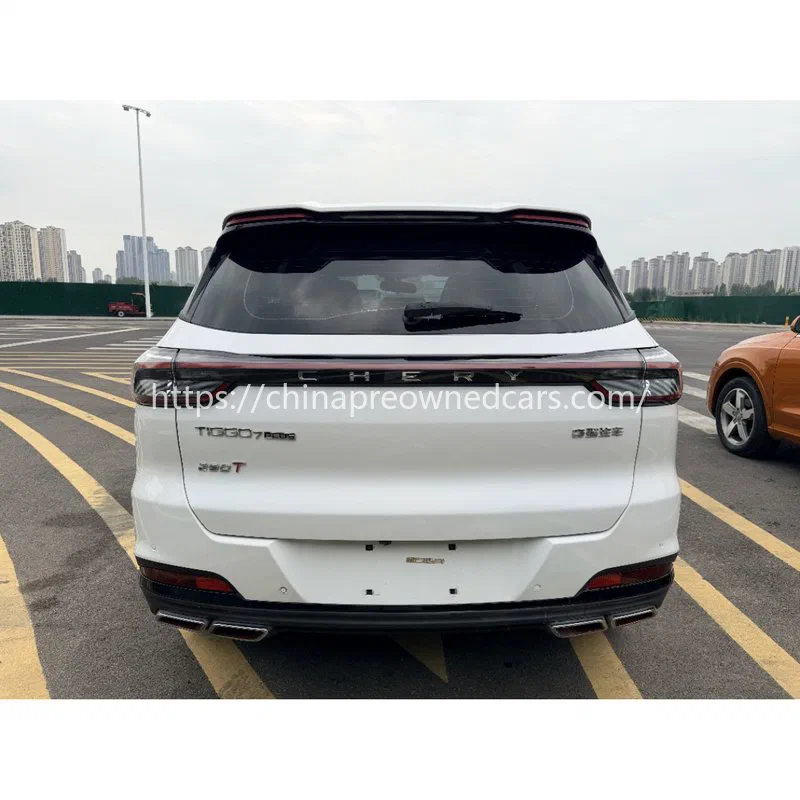
A: Common documents include the commercial invoice or sales contract, export and customs records, bill of lading and, where applicable, a certificate of origin. Requirements should be checked against current Chinese export procedures and the destination’s import rules.
Q: Is RoRo or container shipping better for African destinations?
A: RoRo may suit standard vehicles when a suitable sailing is available, while container shipping offers enclosed transport and more control over loading. Compare the full freight quotation, handling arrangements, insurance and destination charges before choosing.
Q: How can buyers check a used Chinese SUV before shipment?
A: Request a VIN-matched inspection report, dated photographs, diagnostic findings and service records where available. For electric vehicles, also request battery state-of-health information and verify charging compatibility and local service support.