
Exporting a used vehicle from China involves more than arranging transport to a destination port. Each vehicle must pass the relevant pre-shipment checks, complete export documentation and meet the importing country’s current requirements. For buyers in Ghana, Nigeria, Kenya, Uganda and Tanzania, the vehicle’s mechanical condition and suitability for local roads deserve equal attention.
Vehicle selection and pre-shipment inspection
The export process starts with vehicle selection and a review of its condition. Available models include the BYD Atto 3, Chery Tiggo 7 Plus, Chery Tiggo 8 Pro, Geely Coolray and Haval H6. These vehicles serve different purposes. The Atto 3 is a battery electric SUV, while the other models offer petrol or hybrid configurations depending on the specific version sourced.
For African road conditions, ground clearance, suspension wear and tyre condition require close inspection. The Haval H6 and Chery Tiggo 8 Pro offer SUV practicality, but neither should be treated as suitable for severe off-road use without checking its configuration. Air conditioning performance also matters in hot climates. Buyers should request checks of the compressor, cooling system and cabin ventilation.
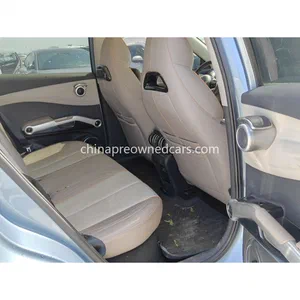
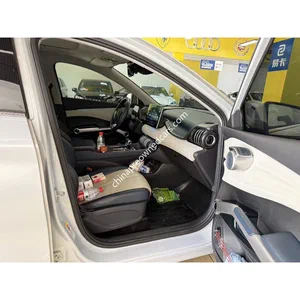
A proper inspection covers the engine or electric drive system, transmission, brakes, steering, suspension, body panels, underbody, tyres, electrical equipment and diagnostic fault codes. For the BYD Atto 3, battery state of health, charging performance and recorded battery faults need separate attention. Common areas to examine include suspension components, cooling-system leaks, worn tyres and signs of previous collision repairs. Inspection findings should be supported by photographs and a written report. Certification requirements depend on the export and destination arrangements; a seller’s inspection certificate should not be confused with government approval or destination-market roadworthiness certification.
Export documents, shipping and port handling
The phrase certified used cars what does it mean needs careful interpretation in cross-border trade. It generally refers to a vehicle assessed against a defined inspection or certification process, not a guarantee that every component will remain fault-free. Buyers should establish who issued the certificate, what checks it covers and whether the destination authority recognises it.

After inspection and purchase confirmation, the exporter prepares the export paperwork. This normally involves the vehicle purchase documentation, export licence arrangements, customs declaration and supporting vehicle details. A certificate of origin may also be required, depending on the destination and applicable trade procedures. The bill of lading is issued by the shipping carrier after loading and records the shipment details. The vehicle identification number (VIN), model, ownership documents and shipping information should match across the relevant records. Export customs clearance and any required pre-shipment inspection must be completed before departure.
Shipping usually involves either Roll-on/Roll-off (RoRo) or container transport. RoRo is suitable for operational vehicles that can be driven onto and off the vessel. It generally avoids container loading costs, although the vehicle remains exposed to port handling and vessel conditions. Container shipping provides enclosed transport and can offer additional protection from weather and handling exposure. It may suit higher-value vehicles or shipments requiring more controlled loading, but securing, loading and unloading add costs. The choice depends on vehicle value, condition, shipment arrangements and destination port facilities.
At the departure port, vehicles undergo receiving checks, documentation verification and loading procedures. After arrival, the carrier releases the shipment against the required documents. Import customs clearance, applicable duties, taxes and any destination inspection are then handled under local rules. Buyers should allow for processing time at both ports. Preparation and export clearance may take several weeks, while sea transit depends on the destination, sailing schedule and transshipment arrangements. Delays can occur if documents require correction or port congestion affects handling.
African market checks before shipment
Ghana, Nigeria, Kenya, Uganda and Tanzania each apply their own vehicle import rules. Requirements can cover vehicle age, emissions, roadworthiness, inspection certificates and import taxes. These rules change, so the importer should confirm the current requirements with the relevant customs authority or licensed clearing agent before paying for shipment. Most Chinese domestic-market vehicles are left-hand drive. This suits left-hand-drive markets but requires particular attention where right-hand-drive rules apply.
Parts availability also deserves consideration. Buyers should check whether local workshops can obtain replacement suspension parts, filters, sensors and electronic components for the selected model. For electric vehicles, charging compatibility and access to qualified battery technicians are additional factors. After-sales arrangements should specify what documentation, technical assistance and parts-sourcing support the exporter can provide. Payment milestones, inspection approval and responsibility for port charges should be agreed in writing before shipment.
FAQ
Q: Does a certified used car guarantee its condition?
A: No. Certification indicates that specified checks have been completed. Buyers should review the inspection report, photographs, diagnostic findings and vehicle history before purchase.
Q: Is RoRo or container shipping better for used SUVs?
A: RoRo is often suitable for operational vehicles when transport cost is a priority. Containers offer enclosed transport, but the final choice depends on vehicle value, handling requirements and destination port arrangements.