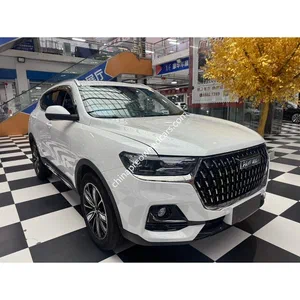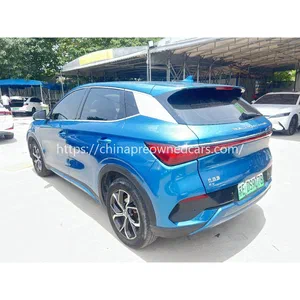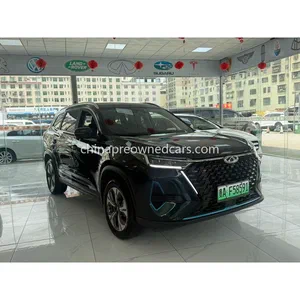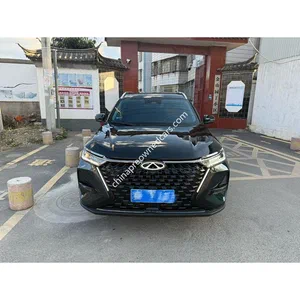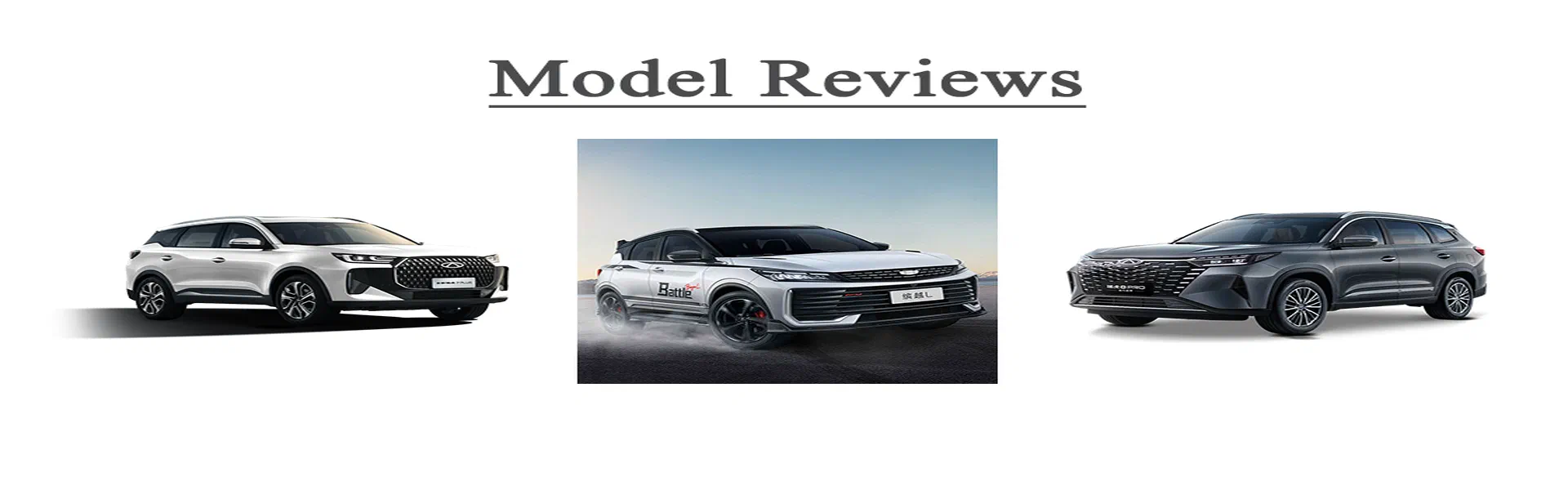
Exporting electric and hybrid vehicles from China requires careful consideration of several factors, particularly when targeting markets in Africa. This article examines key aspects related to vehicle features, export procedures, and practical guidance for buyers. Focusing on popular models like the BYD Atto 3, Chery Tiggo 7 Plus, and Haval H6, the review addresses what buyers should verify before purchasing.
Vehicle Features and Specifications
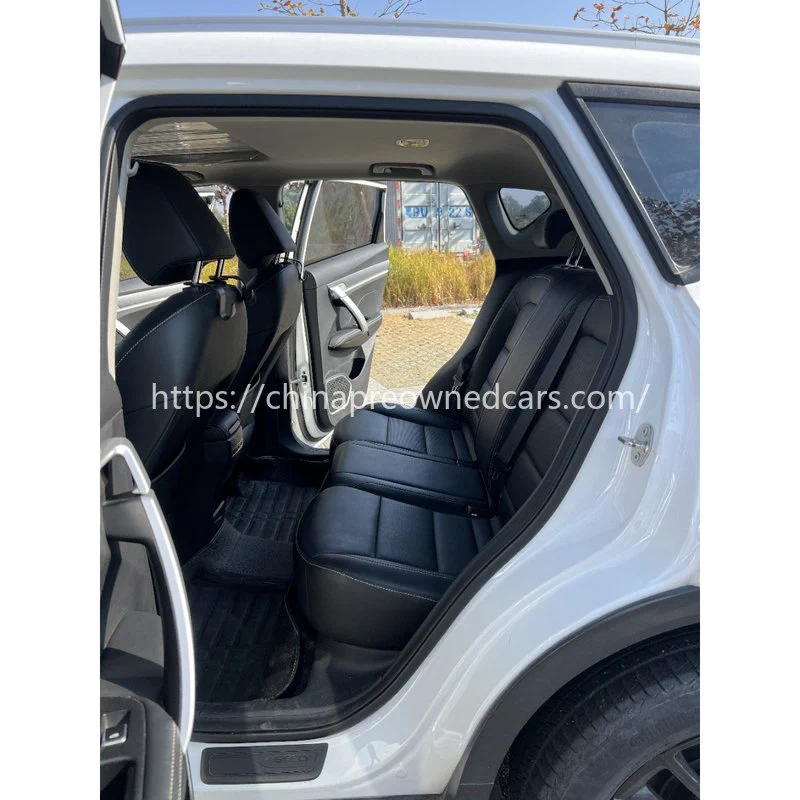
Electric and hybrid SUVs offer various advantages for markets like Ghana and Nigeria, where road conditions can be challenging. Models such as the BYD Atto 3 and Chery Tiggo 8 Pro typically feature higher ground clearance, essential for navigating rough terrains. These vehicles also come equipped with climate control systems that ensure comfort in hot climates. A reliable track record for these vehicles is essential, and prospective buyers should research user experiences and common failure points. Parts availability in destination markets also plays a crucial role; reputable models often have established support networks.
Battery state-of-health is another crucial aspect to assess before purchase. Buyers should inquire about the battery’s current condition, including its capacity and degradation level. A thorough inspection can reveal any potential issues that may affect resale value. Furthermore, understanding the charging connector standards accepted in target markets—such as GB/T, CCS, and CHAdeMO—is vital, as this will determine compatibility with local infrastructure.
Export Procedures and Documentation
Exporting vehicles from China involves a series of procedures, including pre-shipment inspection and customs clearance. Each vehicle must undergo an inspection to ensure it meets the required standards for export. Documentation is crucial and includes export licenses, invoices, and customs declarations. Buyers should confirm the specific requirements for their destination country, as regulations may vary widely.

Shipping options typically include RoRo (Roll-on/Roll-off) or container shipping. RoRo is often more economical and faster, while container shipping offers added protection for vehicles. Depending on the chosen method, shipping lead times usually range from 15 to 25 days. Understanding these logistics helps buyers plan accordingly and manage expectations.
Market-Specific Requirements
Different countries have varying regulations concerning vehicle imports, including age limits, emission standards, and drive side requirements. Most vehicles in the inventory are left-hand drive, which aligns with the needs of many target markets. However, it is essential for buyers to confirm whether their chosen model complies with local regulations. Emission standards may also change, and buyers should verify the latest requirements to avoid complications upon arrival.
For electric vehicles, battery transport regulations (UN 3480) must be adhered to, ensuring safety during shipping. Buyers should also assess the destination’s charging infrastructure to ensure that the imported vehicles can be adequately supported. Understanding the local market’s capabilities will help determine which models are most suitable for export.
Practical Buyer Guidance
When sourcing electric vehicles for export, buyers should conduct a detailed verification process. This includes checking the vehicle’s history, mileage, and overall condition. A pre-purchase inspection is advisable to identify any hidden issues. Payment terms will vary, and buyers should establish clear agreements to protect their investments.
After-sales support is another consideration; reputable exporters typically provide assistance post-purchase, including warranty options and service information. Buyers should inquire about what support will be available once the vehicle reaches its destination, as this can significantly affect long-term satisfaction.
FAQ
Q: What should I check regarding battery health before purchasing an electric vehicle?
A: Buyers should assess the battery’s state of health, including its capacity and degradation level, to ensure it meets performance expectations.
Q: How do shipping options differ between RoRo and container shipping?
A: RoRo is generally more economical and faster, while container shipping provides more protection for the vehicles but can be costlier.
Q: What are the typical requirements for importing vehicles to African countries?
A: Requirements vary by country but often include age limits, emission standards, and specific drive side regulations, all of which should be confirmed prior to purchase.