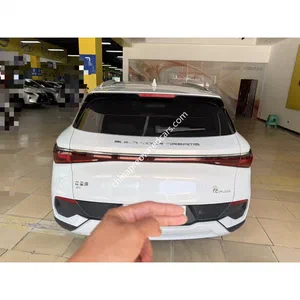

Exporting electric and hybrid vehicles, such as the BYD Atto 3 and Chery Tiggo 8 Pro, involves several technical and logistical considerations. One of the critical aspects is assessing the battery state-of-health, which directly influences the vehicle’s resale value and functionality in diverse climates, especially in African regions. Buyers should verify the battery’s capacity and performance, as degradation can significantly impact the vehicle’s range and overall usability. It’s also essential to confirm the compatibility of the vehicle’s charging connector with local infrastructure. For instance, countries like Kenya and Nigeria may have varying acceptance of standards such as GB/T, CCS, or CHAdeMO, affecting charging accessibility.
In addition to battery considerations, export procedures are crucial. Vehicles require pre-shipment inspections to comply with international shipping regulations and local import standards. Documentation must include export licenses, customs declarations, and detailed bills of lading for RoRo or container shipping. Buyers should be aware of the specific requirements for their target market, including emission standards and vehicle age limits, which can differ significantly among countries. For instance, while many African countries accept left-hand drive vehicles, others may impose stricter emissions regulations that require thorough verification.
Practical guidance for sourcing these vehicles involves inspecting several key aspects before purchase. Buyers should assess the vehicle’s overall condition, including the mechanical reliability and presence of any common failure points. For electric and hybrid models, it’s vital to check the functionality of the battery management system and ensure that all electrical components are operational. Additionally, buyers should consider the availability of spare parts in their market, as this can affect maintenance and repair costs in the long run.
Charging infrastructure is another important factor for electric vehicles. Buyers should research the existing charging facilities in their region, as insufficient infrastructure can limit the practicality of electric cars. Understanding local energy sources and the prevalence of renewable energy can also provide insights into the sustainability and efficiency of using electric vehicles in specific markets. This knowledge is particularly relevant for countries like Uganda and Tanzania, where infrastructure may still be developing.
Finally, payment terms and shipping lead times are essential components of the export process. Typically, shipping lead times can range from 15 to 25 days, depending on the chosen method and destination. Buyers should ensure clarity on payment terms to facilitate a smooth transaction, alongside establishing after-sales support options to address any potential issues post-purchase. By following these guidelines, buyers can make informed decisions when engaging in online used car sales, particularly for electric and hybrid models suited for the African market.

FAQ
Q: What should I check regarding battery health before purchasing an electric vehicle?
A: Buyers should assess the battery’s capacity, performance, and any degradation that could affect range.
Q: How do I ensure compliance with local import regulations?
A: It’s important to verify specific emission standards, vehicle age limits, and other local regulations for the target market.
Q: What are the typical shipping lead times for exported vehicles?
A: Shipping lead times usually range from 15 to 25 days, depending on the shipping method and destination.