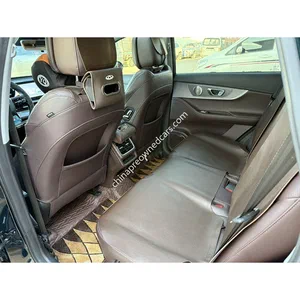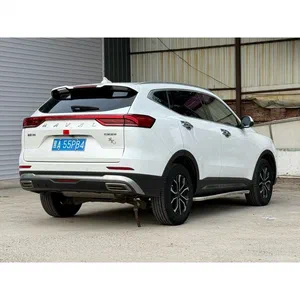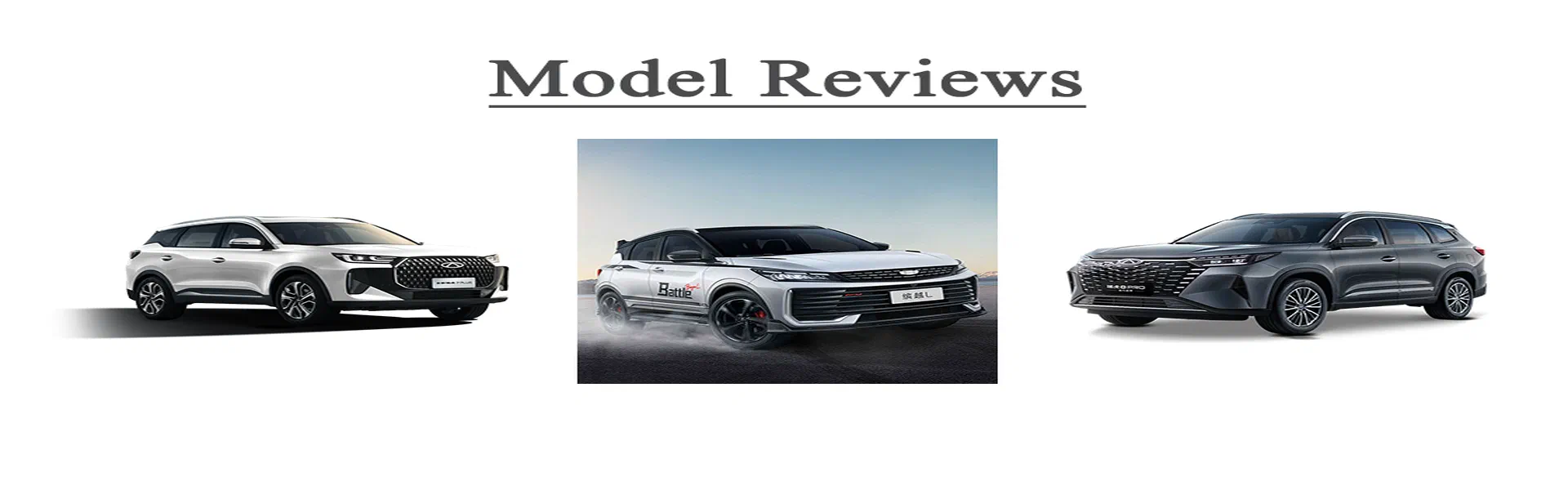

The Haval H6 and Geely Coolray are two popular choices among Chinese-brand SUVs, especially for export to markets across Africa. Each model offers distinct features and specifications that impact ownership costs, suitability for local conditions, and overall appeal. This analysis focuses on key differences in powertrain options, fuel efficiency, parts availability, and suitability for specific markets, helping potential buyers make informed decisions.
Powertrain and Fuel Efficiency
The Haval H6 typically features a 2.0-liter turbocharged engine, delivering a balance of power and efficiency. It can achieve fuel consumption figures around 7-8 liters per 100 kilometers, making it relatively economical for long-distance travel on African roads. In contrast, the Geely Coolray offers a smaller 1.5-liter turbocharged engine, which can yield slightly better fuel economy, generally around 6-7 liters per 100 kilometers. However, the reduced power can be less suited for rugged terrain, which is common in many export markets.
For electric vehicle options, both manufacturers are expanding their lineups. The H6 is often noted for its hybrid variants, which combine traditional fuel engines with electric power to improve fuel efficiency. Buyers should consider their local fuel prices and the availability of charging infrastructure when evaluating the long-term costs associated with each vehicle type, especially when looking for the cheapest used cars to own.
Emission Standards and Market Compatibility
Emission standards can vary significantly by destination market. Both the Haval H6 and Geely Coolray generally meet Euro 5 or Euro 6 standards, which may align well with the regulations in various African countries. However, buyers should verify current emission requirements in their specific markets, as these can change and may affect import eligibility. The presence of hybrid versions of these vehicles also offers a potential advantage in regions promoting environmentally friendly transportation, particularly in urban centers.
Most of the inventory consists of left-hand drive models, which is suitable for many African countries, including Ghana and Kenya. However, it is critical for buyers in right-hand drive markets to ensure that the specific vehicles they are considering are compatible.
Reliability and Parts Availability
Reliability is a crucial consideration for used vehicles in challenging environments. The Haval H6 has established a solid reputation in China for durability, thanks in part to its robust construction and dependable performance. Conversely, the Geely Coolray, while well-regarded, may not have the same long-term reliability track record. Buyers should also consider the availability of parts and service networks in their regions. The H6 benefits from a more extensive service infrastructure in Africa, which can be a significant advantage for maintenance and repairs.

Common Failure Points and Inspection Considerations
Potential buyers should be aware of common failure points when evaluating these models. For the Haval H6, issues may arise with the turbocharger and electronic systems, especially if the vehicle has been driven in harsh conditions without regular maintenance. The Geely Coolray may experience problems with its infotainment system, which has been noted in some reviews. Before making a purchase, it is advisable to conduct a thorough inspection of the vehicle, focusing on these areas, as well as checking the overall condition, mileage, and service history.
After-Sales Support and Documentation
After-sales support is another important aspect that can influence ownership costs. Haval generally provides better warranty options and service packages compared to Geely, which can offer peace of mind for buyers. Documentation related to export procedures, including customs clearance and pre-shipment inspection, should be thoroughly understood by buyers. Ensuring that all paperwork is in order before shipment can prevent delays and additional costs at the destination.
Shipping options vary as well; RoRo (Roll-on/Roll-off) is a common method for exporting these vehicles, while container shipping may offer additional protection but at a higher cost. Buyers should weigh these factors when considering the total cost of ownership.
Conclusion
When comparing the Haval H6 and Geely Coolray for export to African markets, multiple factors come into play. The choice between them may hinge on specific needs such as power, fuel efficiency, reliability, and after-sales support. Understanding the local market dynamics, including emission standards and service capabilities, is crucial for making the best decision. Each vehicle presents its own set of advantages and trade-offs, making thorough research and verification essential.
FAQ
Q: What is the typical fuel consumption for the Haval H6?
A: The Haval H6 typically achieves fuel consumption figures around 7-8 liters per 100 kilometers.
Q: Are parts readily available for the Geely Coolray in Africa?
A: Parts availability for the Geely Coolray may vary by region, but it generally has a smaller service network compared to the Haval H6.