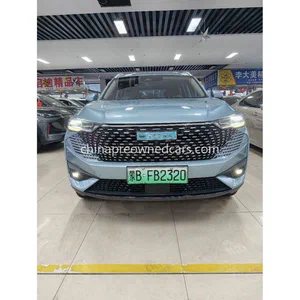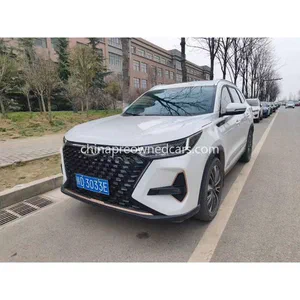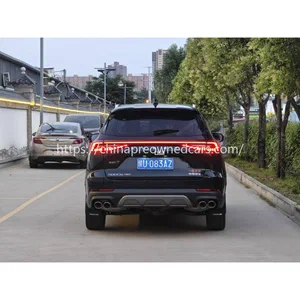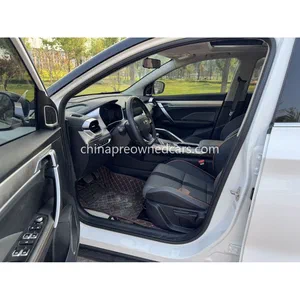
A used electric SUV should be assessed for battery condition before export, because the battery has a direct effect on driving range, charging time and resale value. For buyers sourcing Chinese vehicles for Ghana, Nigeria, Kenya, Uganda and Tanzania, the inspection should cover battery state of health (SOH), charging compatibility, underbody condition and destination import requirements. These checks matter for both fully electric models and hybrids, although their battery systems and transport requirements differ.
Battery health and model suitability for African roads
Battery state of health estimates the battery’s remaining capacity relative to its original condition. It is not the same as the dashboard’s estimated driving range, which changes with temperature, speed, air-conditioning use, terrain and driving style. Buyers should request a diagnostic report showing SOH, battery fault codes, cell-voltage differences and any recorded thermal-management warnings. Where possible, an independent technician should repeat the assessment and conduct a controlled charging and driving test. A short road test alone cannot establish battery health.
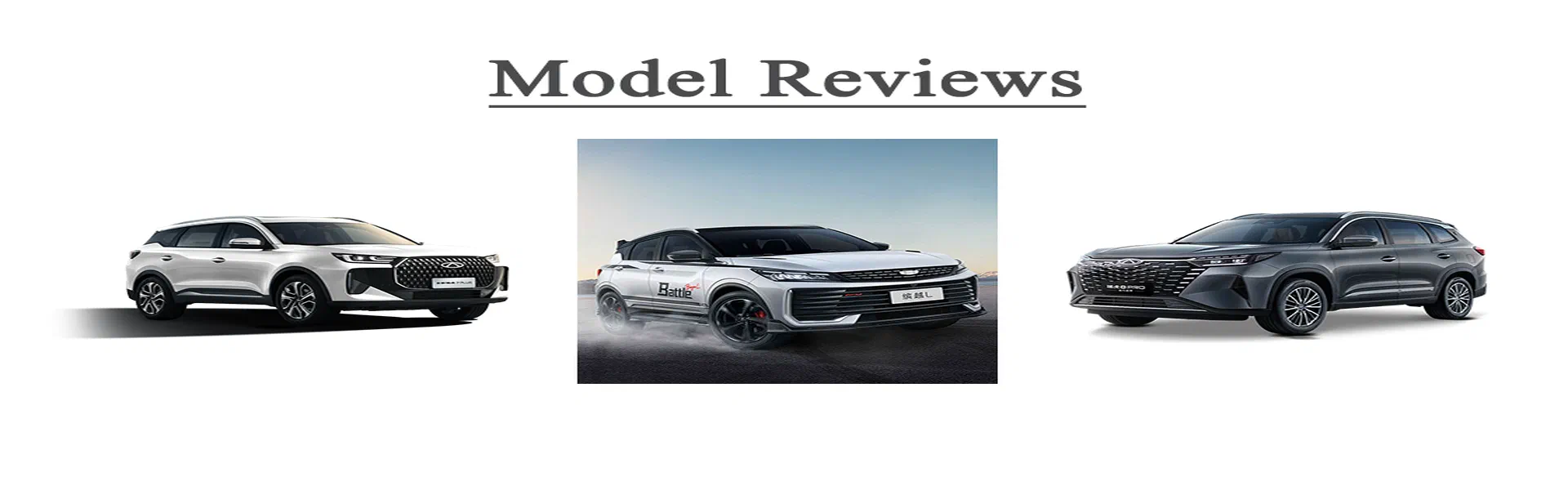
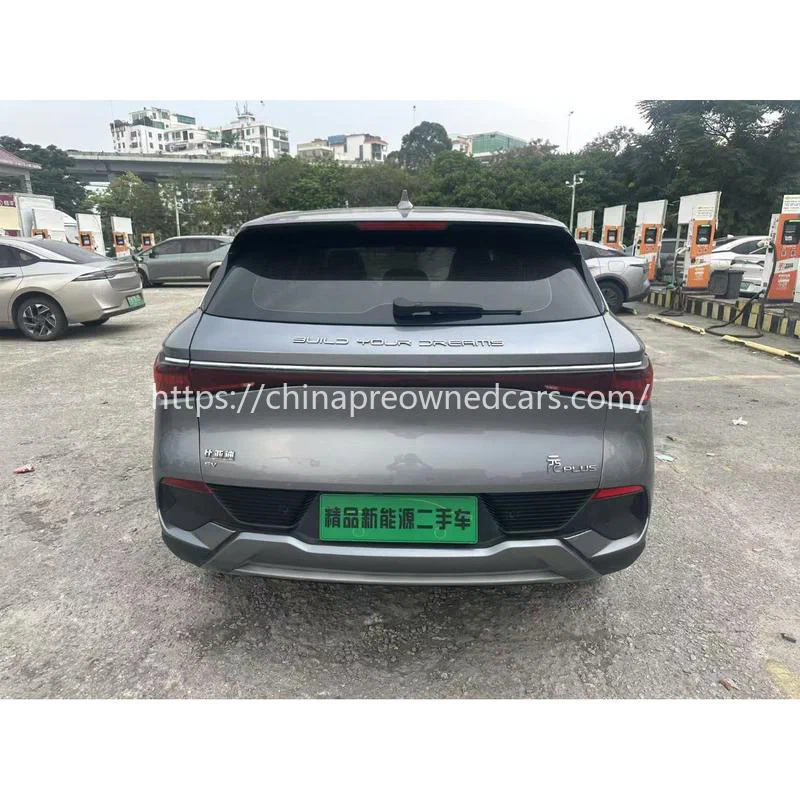
The BYD Atto 3 is a fully electric SUV suited to buyers whose operating areas have dependable charging access. Its battery chemistry and vehicle configuration should be confirmed from the specific unit’s records rather than assumed from the model name alone. The Chery Tiggo 7 Plus, Chery Tiggo 8 Pro, Geely Coolray and Haval H6 require careful powertrain identification because specifications and available variants differ. A hybrid must be checked for both its high-voltage battery and combustion-engine system; a plug-in hybrid also needs a working charging connection. For all five models, buying second hand car checks should include diagnostic scans, service history, accident repairs, coolant leaks and evidence of water intrusion around electrical components.
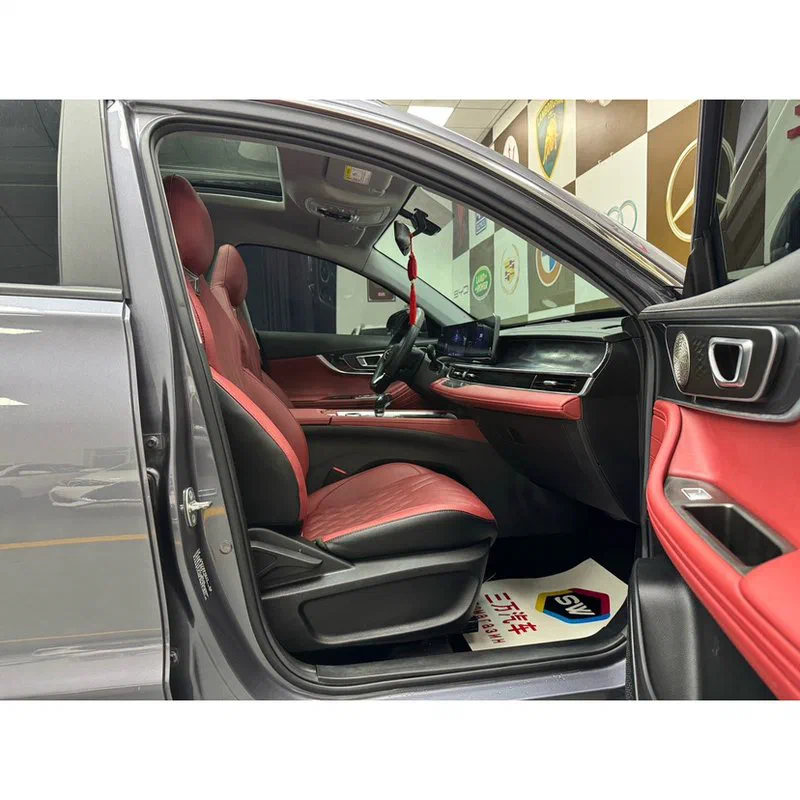
Ground clearance and suspension condition also affect suitability for African roads. Potholes, unpaved access roads and heavily loaded journeys can damage underbody panels, suspension arms and battery protection structures. Inspect the battery enclosure for dents, scrapes, distorted mounting points and signs of previous repairs. Check the air-conditioning system under sustained operation in hot weather, since cabin cooling increases energy consumption in an EV and can reduce practical range. A clean exterior does not establish mechanical condition, and a low odometer reading does not prove that a vehicle has experienced little battery degradation.
Charging compatibility and export preparation
Charging compatibility needs to be confirmed before a vehicle is selected. Chinese-market EVs commonly use GB/T connectors, while CCS and CHAdeMO are separate standards with different physical interfaces and charging protocols. CCS is widely used across many international markets, but local infrastructure and individual charging networks determine practical access. CHAdeMO support is more limited in many newer charging deployments. Buyers in Ghana, Nigeria, Kenya, Uganda and Tanzania should check the connector type, available charging stations, local electrical supply and access to suitable home or depot charging. An adapter should not be treated as a guaranteed solution: compatibility depends on the vehicle, charger and communication protocol. Confirm AC and DC charging capability separately, and request a test showing that the vehicle can initiate and complete charging.

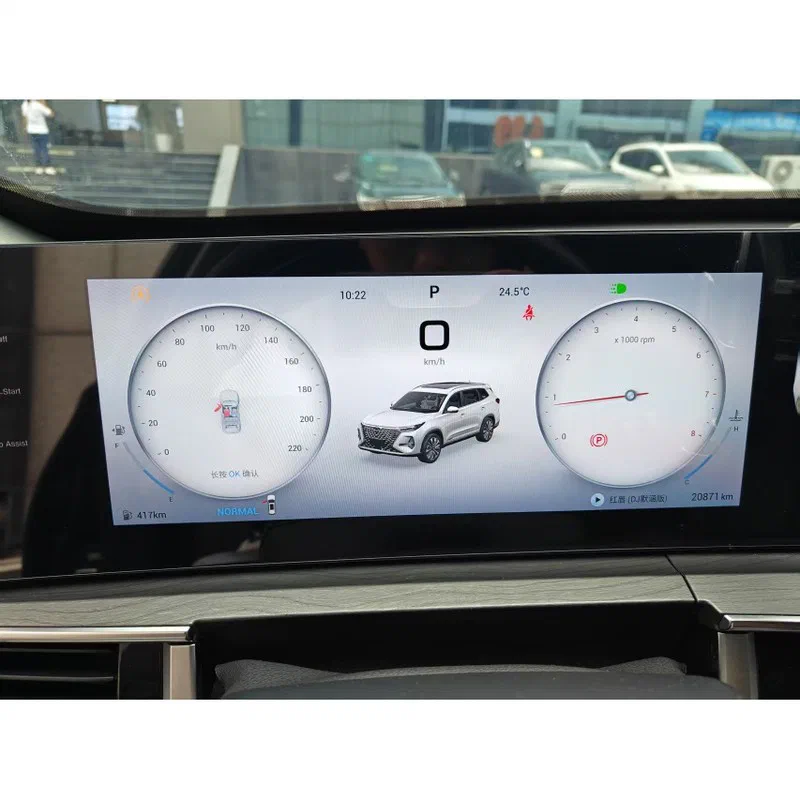
Range estimates should then be evaluated against the buyer’s intended routes. A vehicle with reduced battery capacity may still suit short urban journeys, but it may be less suitable for long intercity trips where charging points are sparse. Air-conditioning, high speeds, heavy loads and rough roads can further reduce usable range. Battery degradation therefore affects more than daily convenience; it can influence resale value, fleet utilisation and the financial case for importing the vehicle. Buyers should compare the diagnostic results with the manufacturer’s original usable-capacity information, rather than relying on a displayed range figure or a seller’s verbal estimate.
Before shipping, the exporter should arrange the required pre-shipment inspection, export licensing, customs declaration and supporting documentation. Battery-related checks should be recorded alongside the vehicle identification number, mileage, condition findings and charging test results. For lithium-ion batteries, transport classification and documentation depend on whether the battery is installed in the vehicle or shipped separately. UN 3480 applies to lithium-ion batteries shipped on their own; batteries packed with equipment and batteries contained in equipment have different classifications. An EV shipped with its battery installed is generally assessed under the applicable provisions for a vehicle containing a lithium-ion battery, rather than automatically being declared as UN 3480. The carrier must confirm the applicable dangerous-goods requirements, documentation, battery condition criteria and any restrictions before booking.
RoRo shipping and container shipping each have practical trade-offs. RoRo is designed for vehicles that can be driven or handled onto a vessel, subject to carrier acceptance and operating requirements. Container shipping can provide additional physical protection and may suit certain shipment arrangements, but loading, securing and handling must be planned correctly. Buyers should confirm freight scope, port charges, insurance arrangements, export documents and the expected shipping schedule in writing. Arrival clearance remains subject to the destination country’s rules, including vehicle age limits, emissions requirements, roadworthiness standards and any restrictions affecting left-hand-drive vehicles. These rules can change, so import eligibility should be checked before payment and dispatch.
FAQ
Q: How can a buyer verify the battery health of a used Chinese EV before export?
A: Request a diagnostic report showing SOH, cell-voltage differences and battery fault codes, then arrange an independent scan and controlled charging test where possible. Compare the findings with the vehicle’s original battery specifications and service records.
Q: Are GB/T-equipped Chinese electric vehicles compatible with charging stations in Ghana, Nigeria, Kenya, Uganda and Tanzania?
A: Compatibility depends on the vehicle’s connector, charging protocol and the equipment available at the destination. Confirm local charging access and test any proposed adapter solution before purchase.
Q: What battery documents are needed when exporting a used electric SUV?
A: Requirements depend on the vehicle, battery configuration, carrier and applicable transport rules. The exporter and shipping carrier should confirm the required battery classification, condition documentation, export paperwork and any dangerous-goods declarations before shipment.