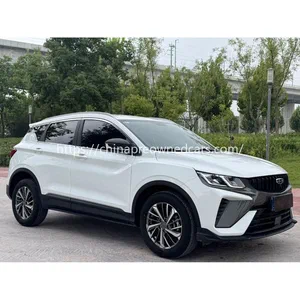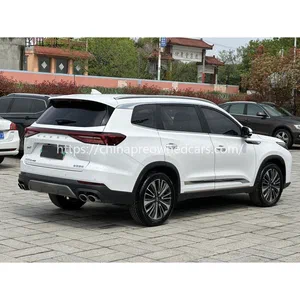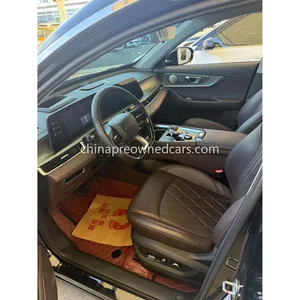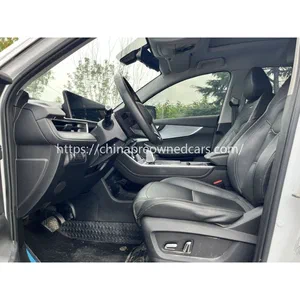
A used car dealership warranty usually does not automatically cover export buyers because warranty terms are often limited by the seller, location, and service network. A dealership warranty for used cars should be checked carefully before export, especially when the vehicle will be operated in Ghana, Nigeria, Kenya, Uganda, or Tanzania.
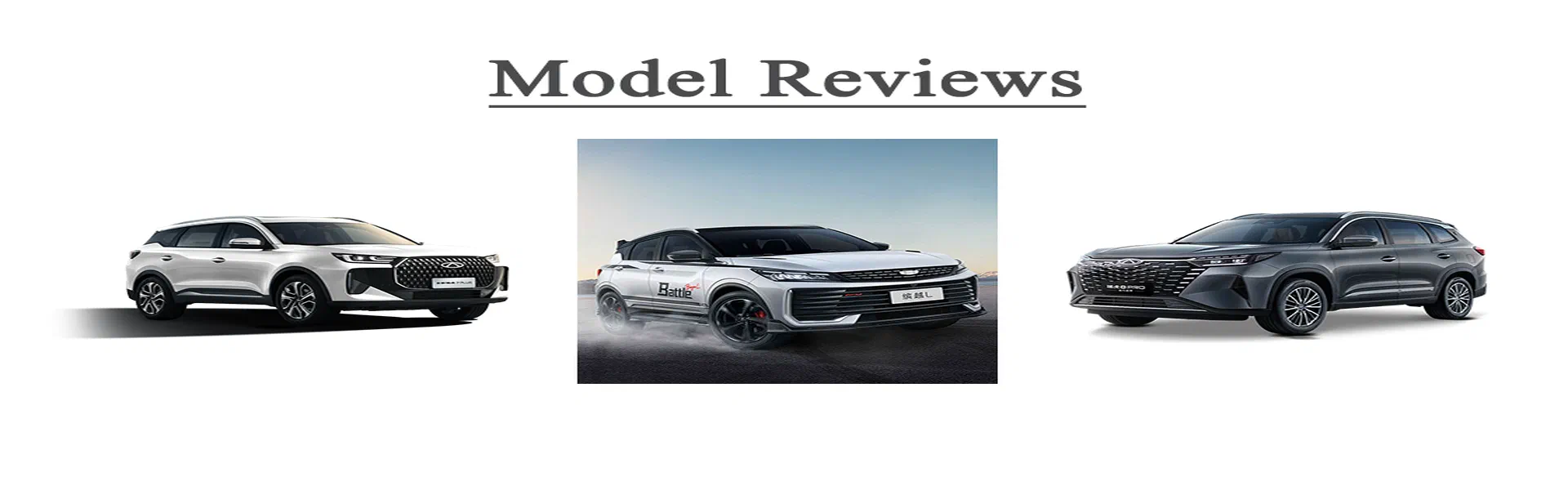
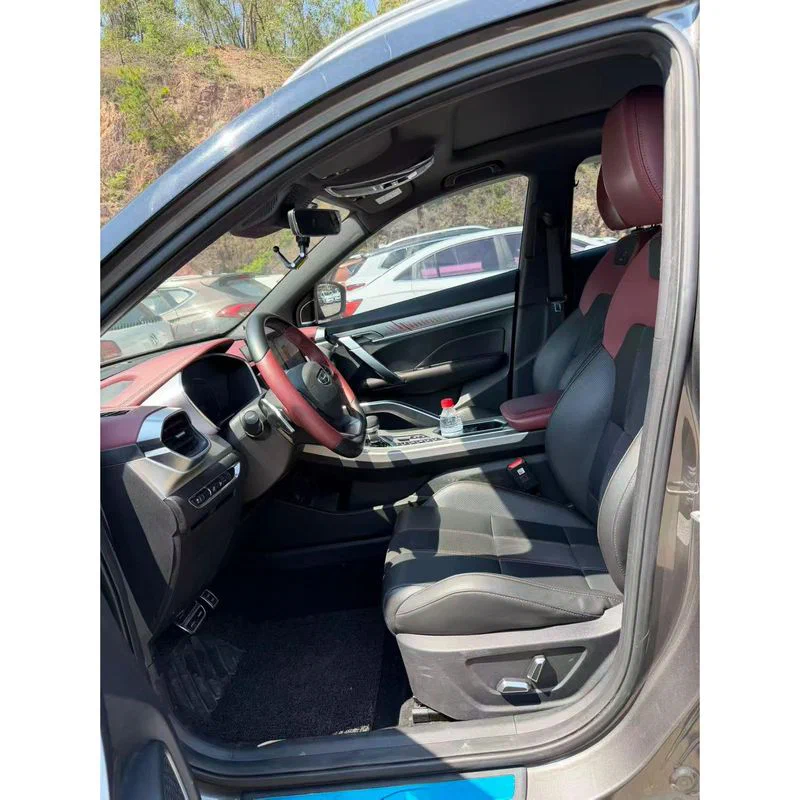
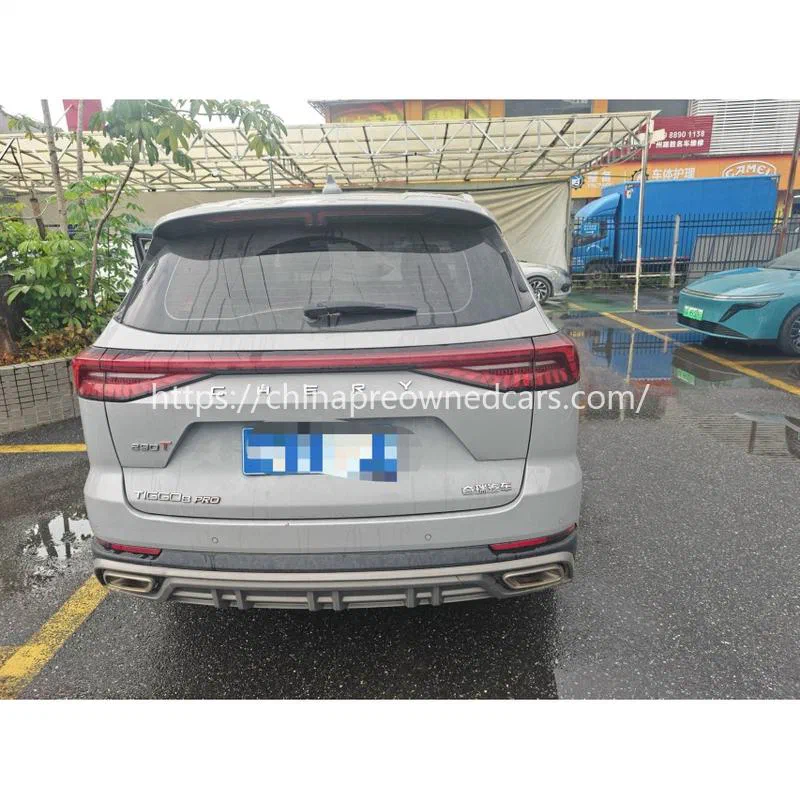
Chinese used SUVs exported from China are commonly evaluated by their suitability for local road conditions rather than by warranty coverage alone. Models such as BYD Atto 3, Chery Tiggo 7 Plus, Chery Tiggo 8 Pro, Geely Coolray, and Haval H6 are selected for export based on inspection results, equipment level, maintenance records, and expected support availability. For African roads, ground clearance, suspension condition, cooling performance, and air conditioning operation are important checks. Hot climates and rough road surfaces can place extra demand on vehicles, so buyers should review inspection findings instead of relying only on a general warranty statement.
The BYD Atto 3 is a used electric SUV that requires different checks from combustion vehicles. Battery state of health, charging system operation, and battery transport requirements are key parts of an export inspection. Charging infrastructure varies between markets, so buyers should confirm local charging access before purchase. Hybrid and petrol SUVs such as the Chery Tiggo 7 Plus, Chery Tiggo 8 Pro, Geely Coolray, and Haval H6 require attention to engine condition, transmission performance, cooling systems, and electronic functions. Common inspection points include previous repairs, underbody damage, tire condition, and service history. A vehicle condition report helps create a clearer picture before shipment.
Export buyers should also separate domestic dealership warranties from export support arrangements. A warranty from a Chinese domestic seller may not provide repair coverage after the vehicle leaves China, particularly where approved service facilities are unavailable. Export procedures normally include vehicle inspection before shipment, export licensing, customs declaration, documentation preparation, and shipping by RoRo vessel or container. Most vehicles sourced from China are left-hand drive, so buyers should confirm that the vehicle configuration matches destination rules. Each market applies its own requirements for vehicle age, emission standards, drive side, and roadworthiness, and these rules should be confirmed before ordering.
For buyers in African markets, the most practical protection is a clear pre-purchase verification process. This includes checking the VIN, reviewing inspection records, confirming included documents, and understanding payment terms before shipment. After-sales support depends on the exporter’s ability to provide technical information, parts guidance, and communication after delivery. A used SUV can be a practical choice for export use when its condition, specifications, and destination requirements are matched carefully.

FAQ
Q: Does a used car dealership warranty apply after exporting a vehicle from China? A: Not always. Warranty coverage depends on the seller’s terms, destination support arrangements, and whether repairs can be handled outside China.
Q: What should export buyers check instead of relying only on a warranty? A: Buyers should review vehicle inspection reports, VIN information, battery health for EVs, maintenance records, and destination import requirements before shipment.