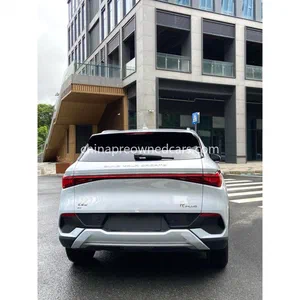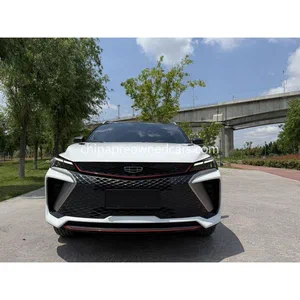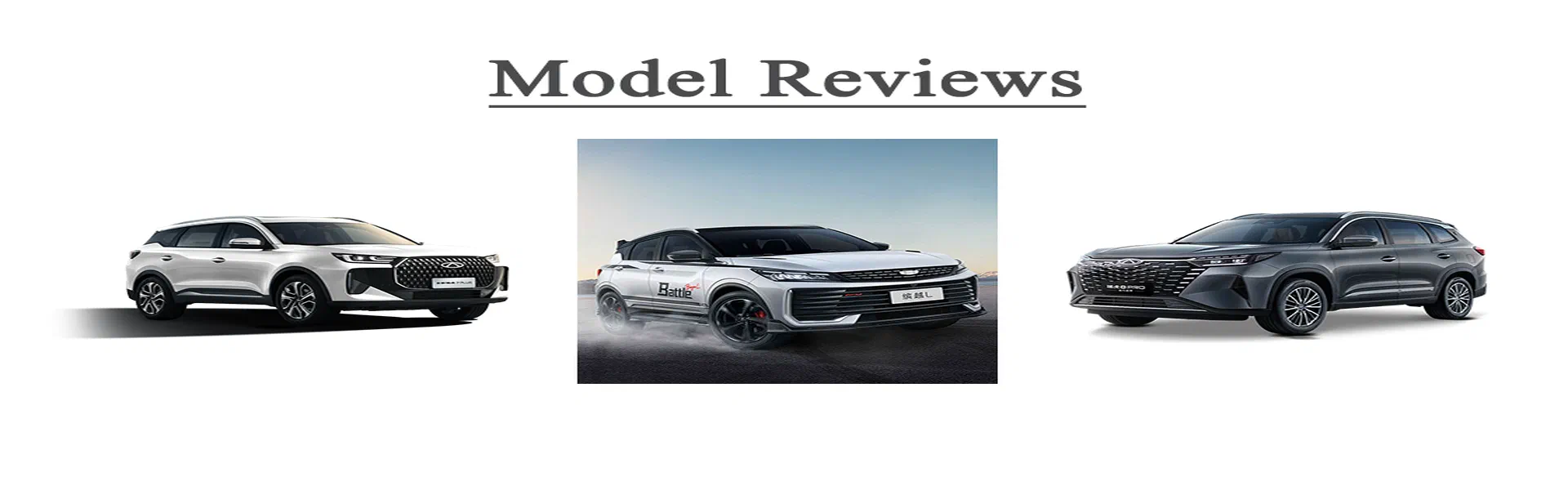
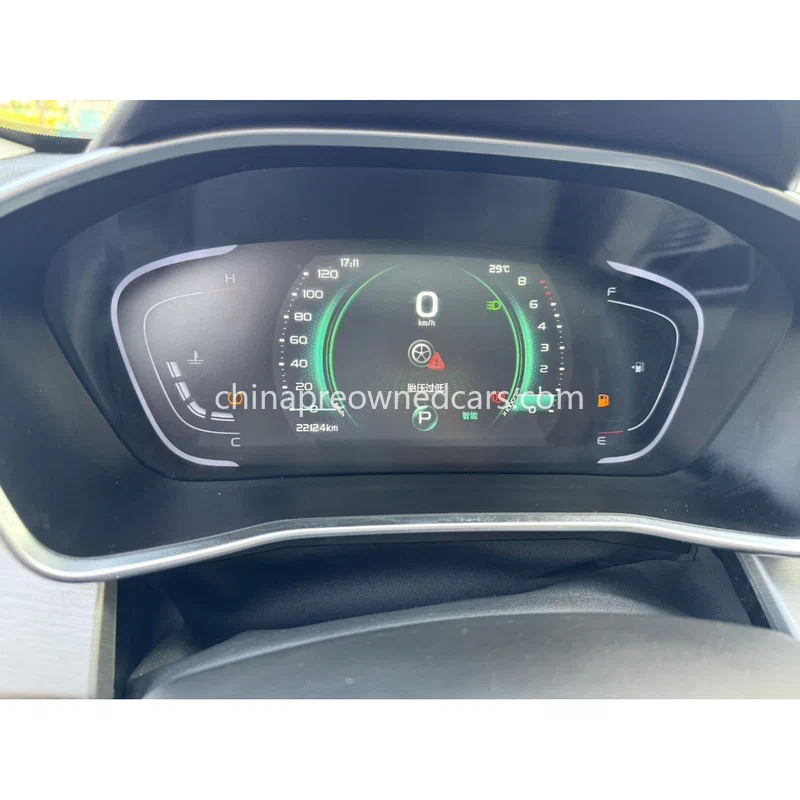
The BYD Atto 3 and Geely Coolray are two prominent electric SUVs in the Chinese market, both of which are gaining traction in international export, particularly in regions such as Africa. Each model offers distinct features that cater to various buyer preferences and needs. This comparison focuses on key specifications, market compatibility, and practical considerations for potential buyers in destination markets like Ghana and Nigeria.
Starting with the powertrain, the BYD Atto 3 is equipped with a 60.48 kWh battery that provides a range of approximately 400 kilometers on a single charge, making it suitable for daily commutes and longer trips. It features a motor capable of generating 150 kW of power, which translates to brisk acceleration. In contrast, the Geely Coolray, while not fully electric, offers a hybrid variant with a turbocharged petrol engine combined with an electric motor. This model excels in fuel efficiency, appealing to those who prefer conventional fuel alongside electric capabilities. Buyers should consider their local infrastructure for charging and fuel availability when deciding between these models.
When considering emission standards, the Atto 3 typically meets international requirements for electric vehicles, making it potentially compliant with many markets’ regulations. However, the Coolray’s hybrid technology may also provide a favorable emissions profile, depending on the specific engine configuration. Prospective buyers should verify the latest emission standards applicable to their country to ensure compliance, as these can vary significantly across regions like Kenya and Uganda.
Parts availability and service support are critical factors in the long-term reliability of any vehicle. The BYD Atto 3’s rising popularity means that parts are becoming increasingly accessible in various markets, particularly as electric vehicles gain acceptance. The Geely Coolray, with its hybrid system, may have a more established service network due to its combustion engine component, which can be advantageous for buyers concerned about maintenance and repairs. It is advisable for buyers to research local service centers and parts suppliers before making a purchase.
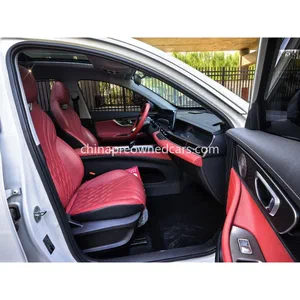
In terms of design and comfort, both vehicles are tailored for diverse driving conditions. The Atto 3 features a higher ground clearance, which can be beneficial for rough terrains common in many African countries. The Coolray, while slightly lower, offers advanced climate control systems suited for hot climates, ensuring passenger comfort on long journeys. Buyers should assess their typical driving environments and prioritize features that enhance their everyday experience.
Lastly, verifying the vehicle’s condition before purchase is paramount. For the BYD Atto 3, buyers should check the battery’s state of health, as it affects both performance and longevity. For the Geely Coolray, inspecting the hybrid system for any wear or malfunction is essential. Payment terms can vary, and shipping lead times typically range from 15 to 25 days, depending on logistics. After-sales support should also be confirmed with the exporter to ensure adequate service after the sale.

FAQ
Q: What should I consider when choosing between the BYD Atto 3 and Geely Coolray?
A: Consider factors such as powertrain preferences, local charging infrastructure, and the vehicle’s suitability for the driving conditions in your region.
Q: How do I ensure compliance with emission standards for imported vehicles?
A: Check with local authorities or import regulations in your destination country to verify the current emission requirements for electric and hybrid vehicles.
Q: What are the typical shipping lead times for used vehicles from China?
A: Shipping lead times usually range from 15 to 25 days, depending on the shipping method and destination port.