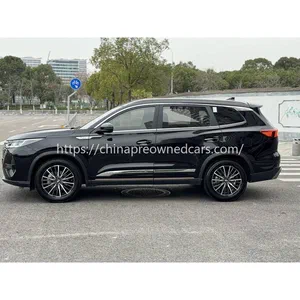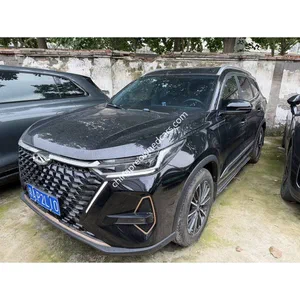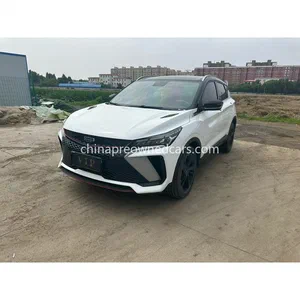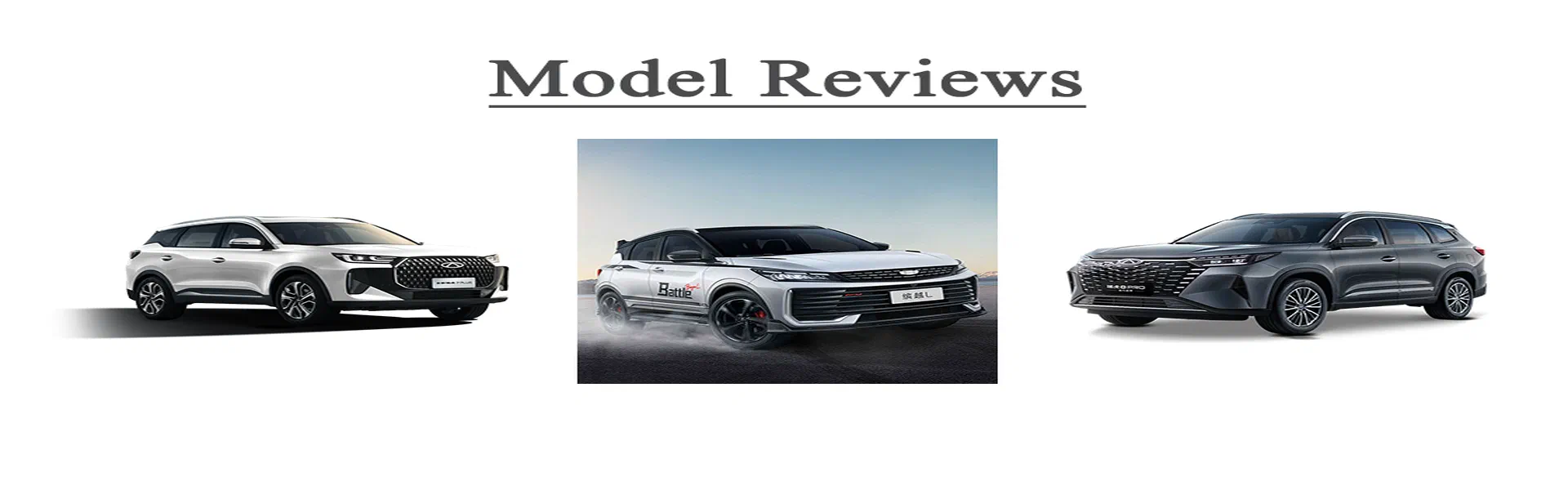
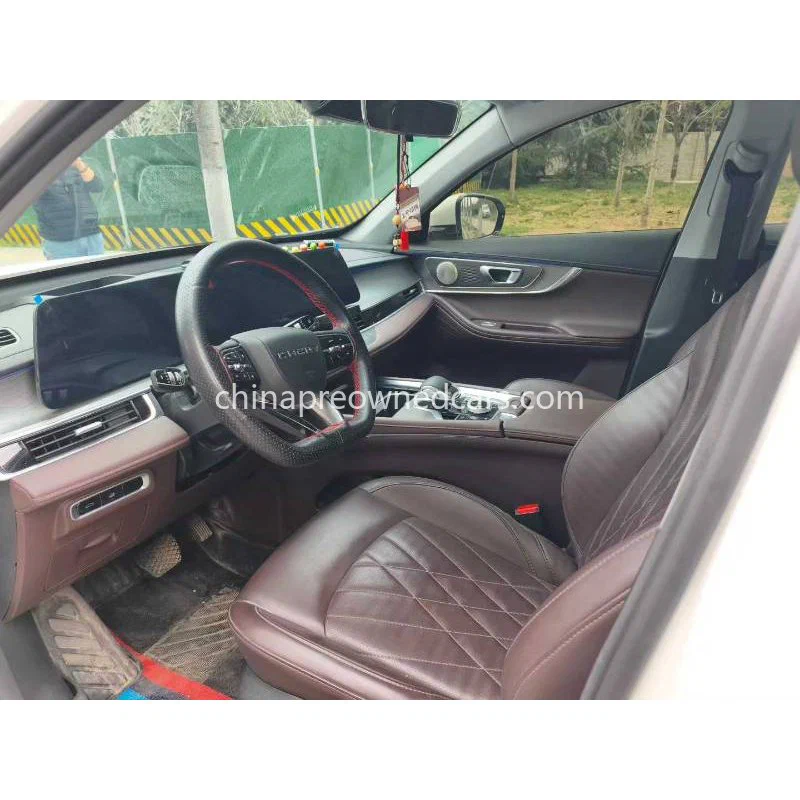
Choosing a used SUV for long-distance driving in East Africa requires more than checking mileage and purchase price. Buyers in Ghana, Nigeria, Kenya, Uganda and Tanzania need to assess road clearance, cooling performance, parts availability, fuel or charging access, and the rules governing vehicle imports. Chinese models such as the BYD Atto 3, Chery Tiggo 7 Plus, Chery Tiggo 8 Pro, Geely Coolray and Haval H6 each suit a different operating pattern.
Matching SUV Design to East African Roads
Long-distance routes across East Africa can include paved highways, damaged road surfaces, gravel sections and unpaved access roads. Ground clearance, suspension condition and tyre availability therefore matter as much as engine output. The Haval H6 and Chery Tiggo 7 Plus are worth assessing for mixed highway and everyday use, while the larger Chery Tiggo 8 Pro may suit buyers who need additional passenger space. The Geely Coolray is a more compact option, but buyers who regularly travel over rough surfaces should check its clearance and underbody condition against their intended routes. None of these models should be treated as an off-road specialist without confirming its drivetrain, tyres and specifications.
The condition of the suspension deserves particular attention. Inspect control-arm bushes, shock absorbers, steering joints, wheel bearings and the underside for impact damage or corrosion. Uneven tyre wear can indicate alignment problems or worn suspension components. During a road test, listen for knocks over uneven surfaces and check that the vehicle tracks straight under braking. A pre-shipment inspection should document visible defects and identify items requiring further mechanical testing. It cannot guarantee future performance, especially after prolonged use on rough roads.
Climate also affects long-distance comfort and maintenance. High ambient temperatures, dust and heavy traffic place additional demands on the cooling system and air conditioning. Check whether the air conditioning produces consistently cold air at idle and during a road test, and inspect the radiator, coolant condition, hoses, fans and condenser. Dusty routes make air-filter maintenance important. On a used petrol SUV, investigate engine temperature stability, oil leaks and transmission behaviour. A clean exterior is not evidence of sound mechanical condition; service records and diagnostic results provide stronger grounds for assessment.
Comparing the Available Chinese SUV Models
The Haval H6 and Chery Tiggo 7 Plus are practical candidates for buyers seeking a conventional SUV for mixed urban and highway driving. Their suitability depends on the specific engine, transmission, model year and equipment configuration. The Tiggo 8 Pro offers a larger body and, in applicable configurations, three-row seating, which may be useful for family transport or commercial passenger operations. The Geely Coolray has a smaller footprint that can help in congested urban areas, although buyers should weigh cabin space and ground clearance against their routes. For all four petrol-SUV choices, verify fuel requirements, transmission service history, cooling performance and the availability of compatible replacement parts before committing to an export order.
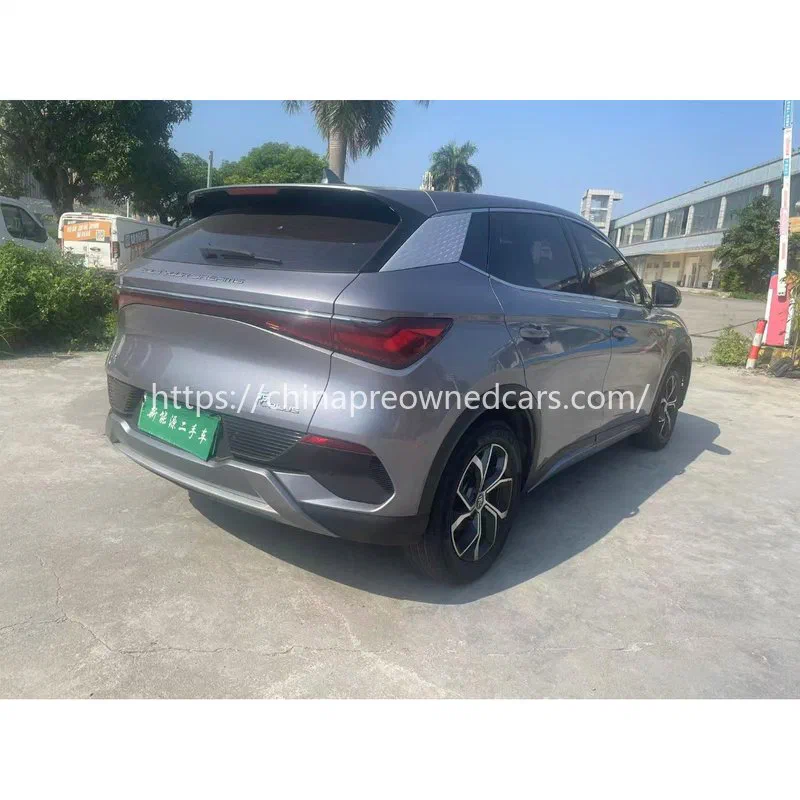

The BYD Atto 3 requires a different assessment because it is a battery-electric SUV. It avoids petrol purchases and engine oil changes, but its operating cost depends on charging access, electricity prices, battery condition and travel distance. Ask for available battery state-of-health evidence, diagnostic records and details of the charging equipment supplied with the vehicle. Confirm that charging connectors and electrical specifications are compatible with local infrastructure. Buyers should also investigate access to technicians, battery components and software support. For long intercity journeys, map reliable charging stops before purchase; where charging remains limited, a petrol SUV may be easier to operate. Do not compare the Atto 3’s energy costs with petrol consumption without accounting for local tariffs and charging losses.
Mileage should be evaluated alongside age, maintenance and operating conditions. There is no universal figure that defines the best mileage to buy a used car. A higher-mileage SUV with documented servicing may be a better prospect than a low-mileage example with inconsistent records, long periods of inactivity or signs of accident repair. Request the VIN, service invoices, diagnostic reports and available ownership history, then compare odometer readings across records. Inspect cold-start behaviour, fluid leaks, brake wear, tyre dates and interior wear for inconsistencies. For electric vehicles, odometer readings alone reveal little about battery degradation. A written condition report should distinguish observed faults from items that could not be verified.
Import Compliance and Shipping to the Destination Port
Drive-side compatibility is an early screening requirement. Most vehicles sourced from China’s domestic market are left-hand drive, so buyers in Ghana, Nigeria, Kenya, Uganda and Tanzania must confirm whether the particular vehicle configuration is permitted under current local rules. Do not assume that a vehicle eligible for export from China is automatically eligible for registration at destination. Import regulations may also address vehicle age, emissions, roadworthiness, documentation and inspection procedures. Requirements can change, and the applicable rules should be confirmed with the destination country’s customs authority or a qualified local clearing agent before payment.

The export process generally involves confirming vehicle identity and condition, obtaining the required Chinese export authorization, completing customs declaration and arranging pre-shipment inspection. The commercial invoice, vehicle identification details, shipping documents and other required certificates must be consistent. Depending on the destination and transaction, additional documents may be necessary. Import duties, taxes, port charges and clearance fees should be estimated separately from the vehicle purchase price. Buyers should obtain a written breakdown based on the vehicle specification and current destination rules rather than relying on a generic duty estimate.
Shipping can be arranged by roll-on/roll-off (RoRo) or container. RoRo is generally suitable for vehicles accepted by the carrier in operable condition, while container shipping can offer additional protection from exposure during transit and may suit specific handling requirements. The final choice depends on carrier availability, vehicle dimensions, shipping cost and the destination port. Before funds are transferred, agree on the vehicle specification, inspection scope, payment milestones, shipping method and responsibility for destination charges. Request copies of export and shipping documents when issued, and confirm the estimated transit schedule with the forwarder. For support with sourcing and export coordination, chinapreownedcars.com can assist buyers in assessing listed models and arranging the required export steps.
FAQ
Q: Which used Chinese SUV is suitable for long-distance driving in East Africa?
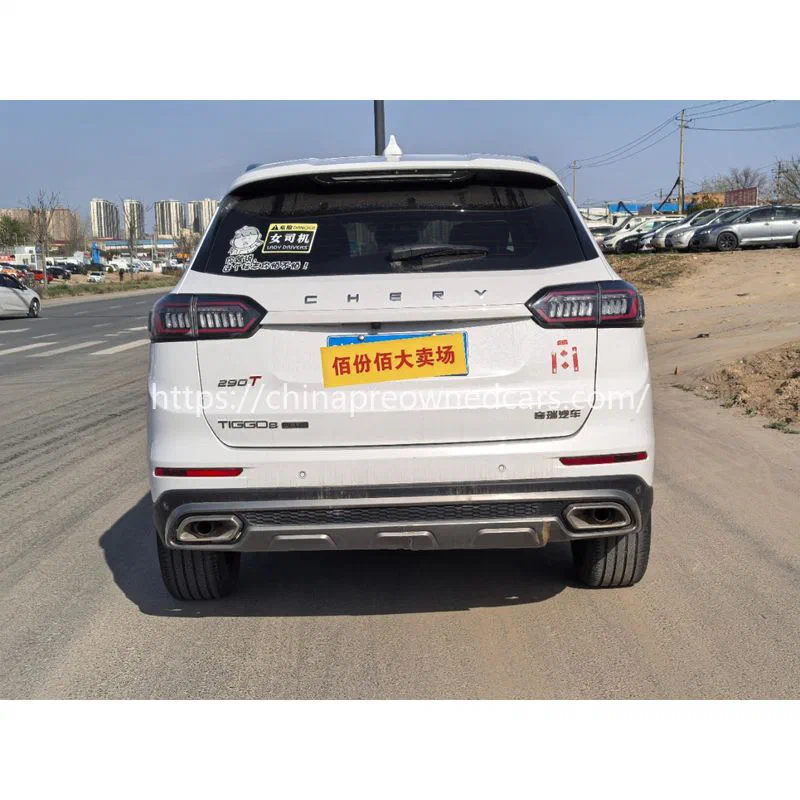
A: The Haval H6 and Chery Tiggo 7 Plus are candidates for mixed highway and everyday use, while the Chery Tiggo 8 Pro offers more passenger space. The best choice depends on ground clearance, vehicle condition, local parts support and the routes involved.
Q: What should buyers verify before importing a used SUV from China?
A: Confirm the VIN, service history, mechanical condition, drive-side eligibility, vehicle age and emissions rules, and estimated import charges. For the BYD Atto 3, also request battery health evidence and verify charging access along intended routes.