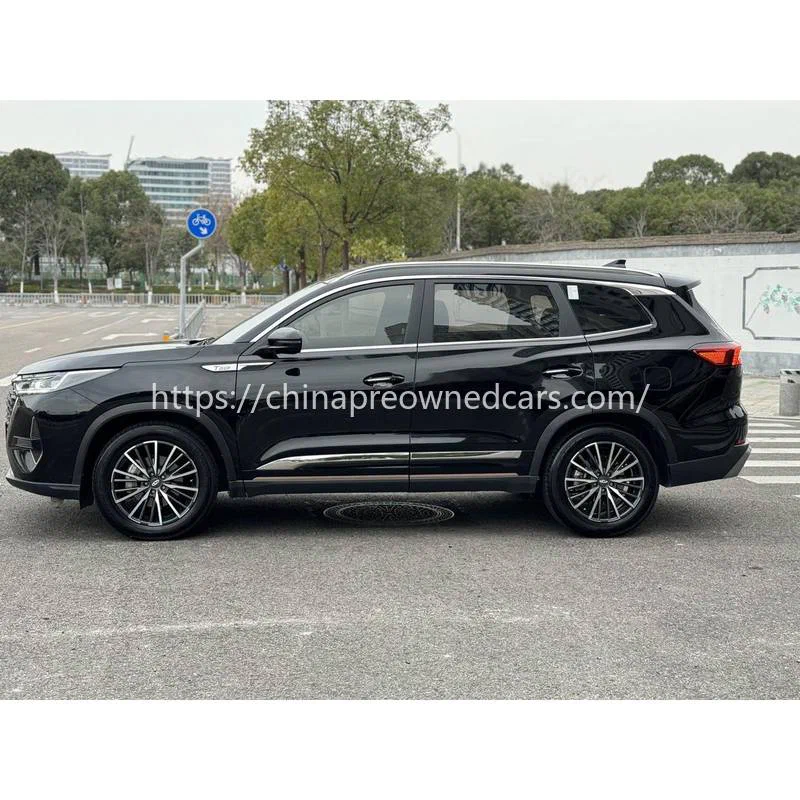
Choosing a used SUV for Kenya means balancing highway comfort with the demands of rural roads, seasonal rain, dust and heat. Chinese models such as the BYD Atto 3, Chery Tiggo 7 Plus, Chery Tiggo 8 Pro, Geely Coolray and Haval H6 offer different ownership trade-offs, particularly in ground clearance, powertrain choice and maintenance requirements. Import eligibility, local service support and the condition of each individual vehicle should guide the purchase.
Road Conditions and Model Suitability
Kenya’s main highways connect major commercial centres, but road quality varies considerably outside urban areas. Potholes, uneven shoulders, gravel surfaces and erosion during rainy periods place extra demands on suspension components, tyres and underbody protection. Ground clearance matters, although a higher ride height alone does not make an SUV suitable for every rural route. Buyers should check the vehicle’s published clearance, approach and departure angles where available, tyre sidewall condition and evidence of underbody impact. A road test on suitable uneven surfaces can reveal suspension knocks, steering vibration or excessive body movement.
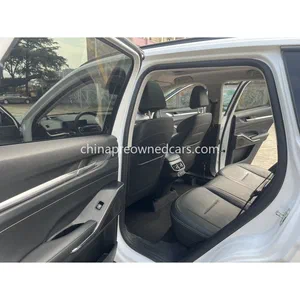
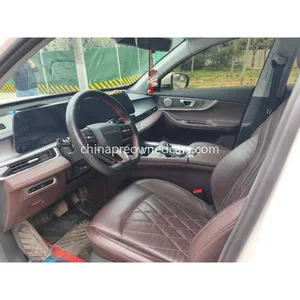
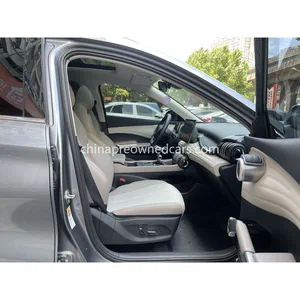
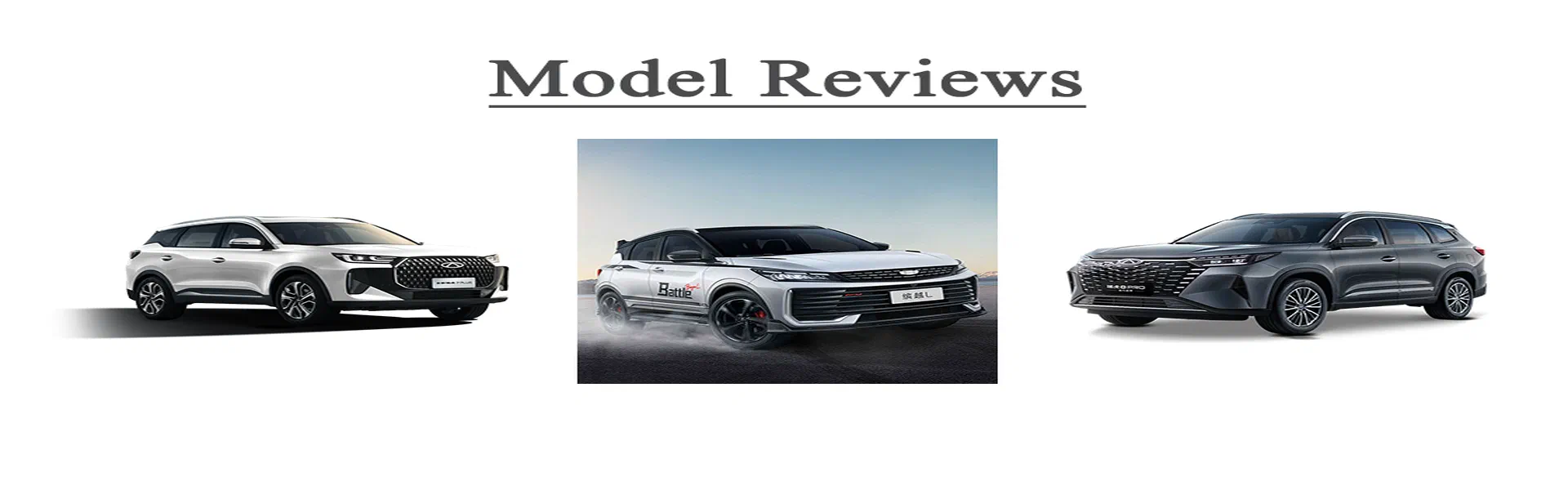
The Haval H6 is worth considering for buyers who prioritise cabin space and regular long-distance travel. The Chery Tiggo 8 Pro offers a larger family-oriented layout, while the Tiggo 7 Plus occupies a middle position for buyers who need SUV practicality without moving to a larger vehicle. The Geely Coolray is a more compact option for mixed urban and highway use. These distinctions matter more than appearance alone. Actual clearance and equipment can vary by model year, trim and wheel specification, so the precise vehicle should be assessed rather than relying on the model name.
Powertrain, Climate and Running Costs
Kenya’s heat, dust and stop-start traffic make cooling performance a practical inspection priority. Check the air-conditioning output at idle and during a road test, inspect the radiator and condenser for damage or blockage, and confirm that the engine cooling system maintains normal operating temperature. On petrol models, examine coolant condition, oil leaks, transmission behaviour and service records. Dusty operating environments can accelerate air-filter contamination, while rough roads can expose worn suspension bushes, damaged shock absorbers and loose steering components. These are inspection points, not proof of a model-wide defect; maintenance history and the individual vehicle’s use determine much of its present condition.
The BYD Atto 3 adds a different calculation because it is fully electric. It can suit an owner with dependable charging at home, a depot or a regular destination, but long rural journeys require route planning around available charging facilities. Buyers should request a battery state-of-health assessment, diagnostic fault history and confirmation of charging-system operation. Battery capacity shown on a dashboard is not a substitute for a documented health assessment. A hybrid SUV may reduce reliance on charging infrastructure, depending on its powertrain, but the exact specification must be confirmed before purchase. For any vehicle, compare expected fuel or electricity costs with the distance travelled, payload and access to maintenance.
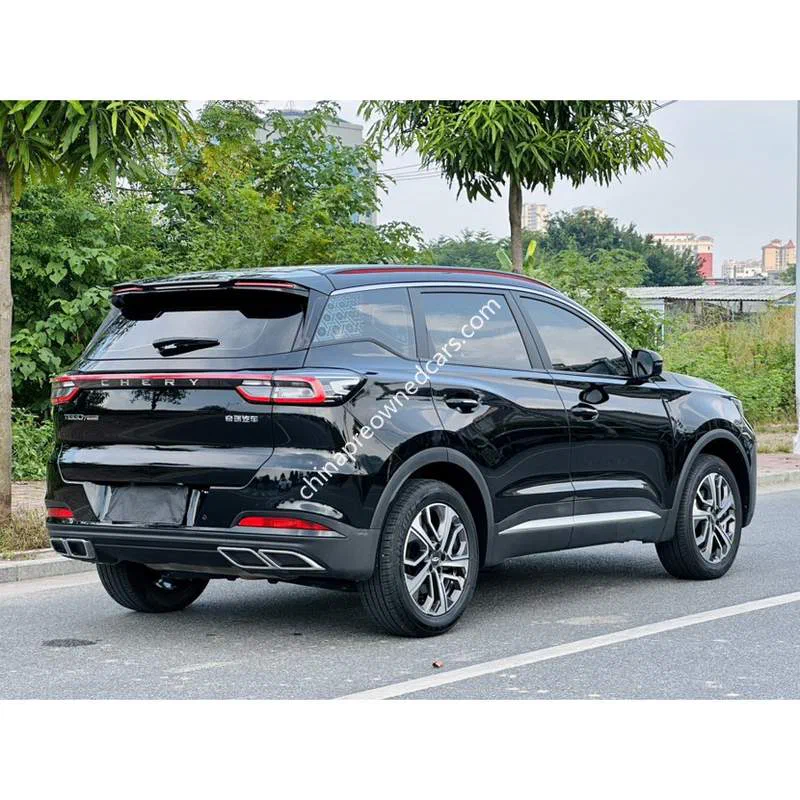
Reliability should be assessed through evidence rather than reputation alone. For all five models, request maintenance invoices where available, verify the odometer against service and inspection records, and check for previous collision repairs, flood exposure and structural damage. Inspect tyres for uneven wear, test the transmission when cold and warm, and scan electronic control units for stored faults. For the Atto 3, include the high-voltage battery, charging port and electrical systems in the assessment. For petrol-powered SUVs, check for warning lights, abnormal engine noise and inconsistent cooling. A pre-shipment inspection should document findings and photographs, while clearly distinguishing observed condition from anything that could not be tested.
Import Compliance, Shipping and Local Support

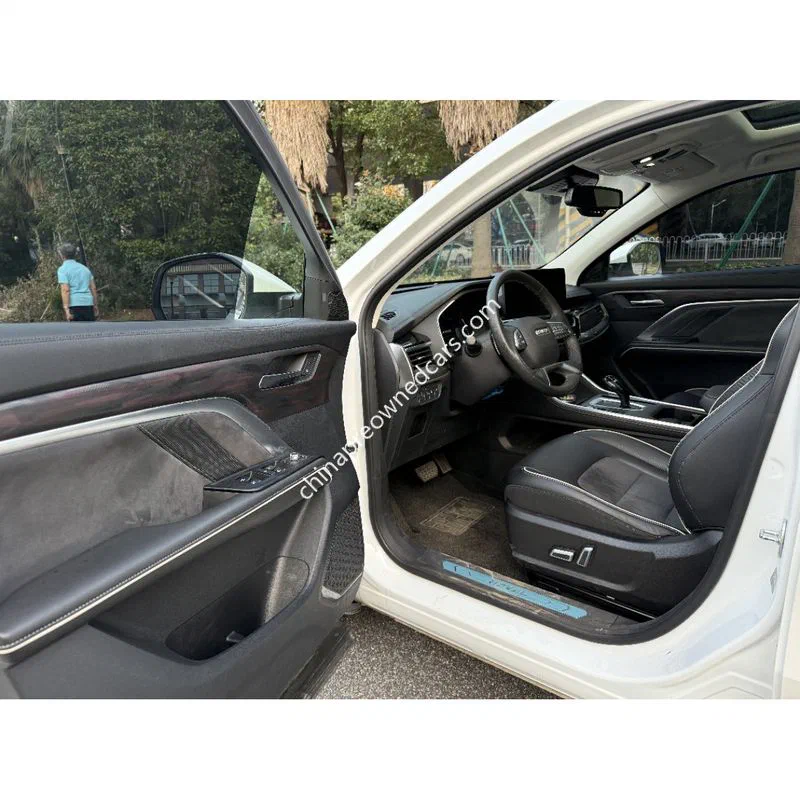
Right-hand traffic does not automatically mean every imported vehicle is eligible. Kenya drives on the left side of the road, so vehicles intended for ordinary use generally need a right-hand-drive configuration. Most Chinese domestic-market vehicles are left-hand drive, making configuration a decisive screening point for this inventory. Buyers should not assume that a listed model can be imported simply because it is available for export. Confirm the current requirements with the relevant Kenyan authorities and a qualified clearing agent before paying a deposit, including applicable vehicle-age limits, inspection requirements, emissions rules and roadworthiness standards. These rules can change, and eligibility depends on the specific vehicle and shipment.
The landed cost also extends beyond the supplier’s vehicle price. Import duties, taxes, port charges, inspection costs, clearing fees and inland transport can materially change the final budget. Obtain a destination-specific estimate from a clearing agent using the vehicle’s exact details and the current tariff treatment. An exporter should explain which costs are included in the quotation and which remain payable by the buyer. The export process in China involves the applicable export licence, customs declaration, pre-shipment inspection and supporting documentation. The buyer should receive a clear document checklist and verify that the vehicle identification number matches across the vehicle, invoice and export paperwork.
Shipping is usually arranged by roll-on/roll-off (RoRo) or container. RoRo can suit eligible vehicles shipped through ports that handle this service, while container shipping may offer different handling and consolidation options. The decision depends on route availability, cargo arrangements, insurance and the vehicle’s requirements. Before shipment, agree on the shipping method, responsibility for port and handling charges, insurance scope and the documents needed for clearance in Kenya. Transit schedules are estimates rather than guaranteed arrival dates, and port processing can add time after the vessel arrives.
For Kenyan buyers comparing options through an auto buy used cars search, the strongest purchase process begins with configuration and import eligibility, then moves to condition, support and landed cost. Ask whether replacement filters, brake components, suspension parts and diagnostic services are accessible locally for the exact model. Parts availability should be verified with Kenyan suppliers or workshops; it should not be assumed from the brand’s presence alone. Agree in writing on payment milestones, inspection access, the process for reporting discrepancies and the documents supplied after payment. An exporter can coordinate sourcing, inspection, customs formalities in China and shipping, but local registration and after-sales arrangements need separate confirmation. A vehicle that passes import checks yet lacks practical service support may cost more to operate than its purchase price suggests.
FAQ
Q: Which Chinese SUV is best for Kenya’s rural roads?
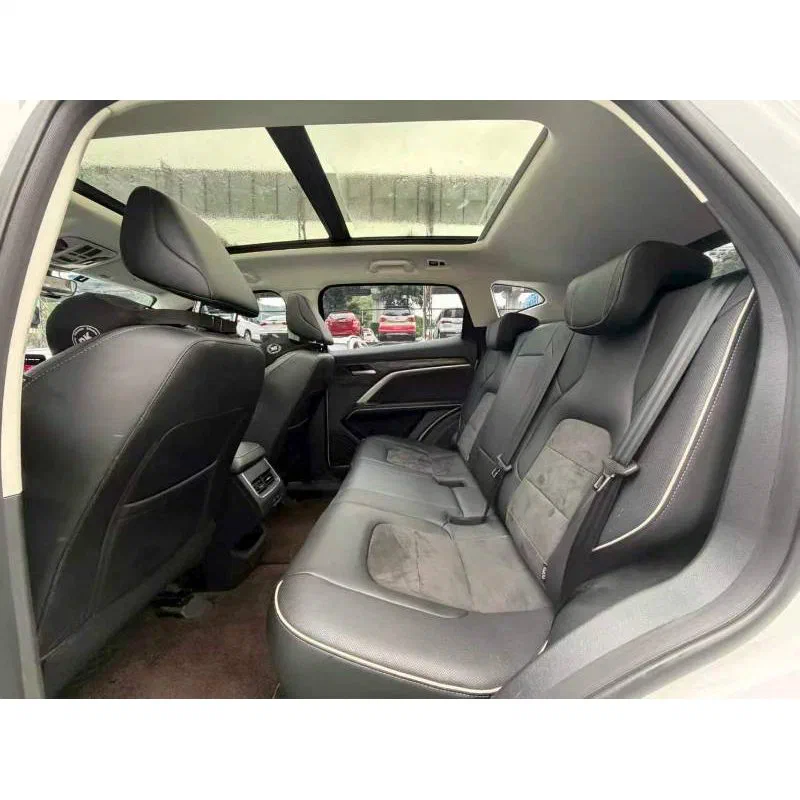
A: The Haval H6 and Chery Tiggo 7 Plus are worth comparing for mixed highway and rural use, but neither should be selected by model name alone. Verify the specific vehicle’s ground clearance, suspension condition, tyres and import eligibility before purchase.
Q: Can a used BYD Atto 3 be imported into Kenya?
A: Eligibility depends on current Kenyan import rules and the vehicle’s configuration, age and inspection status. Confirm right-hand-drive requirements and other applicable restrictions with the relevant authorities or a qualified clearing agent, and obtain a battery health report before committing to the purchase.