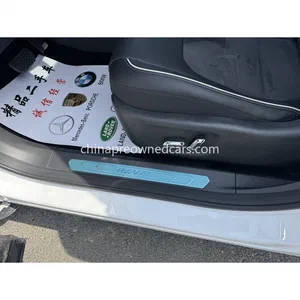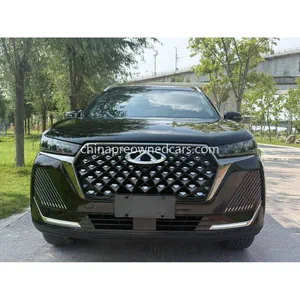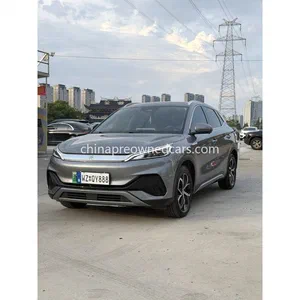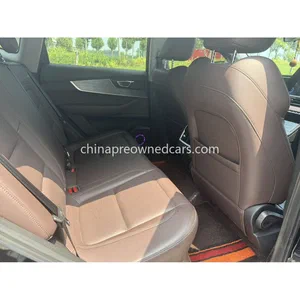
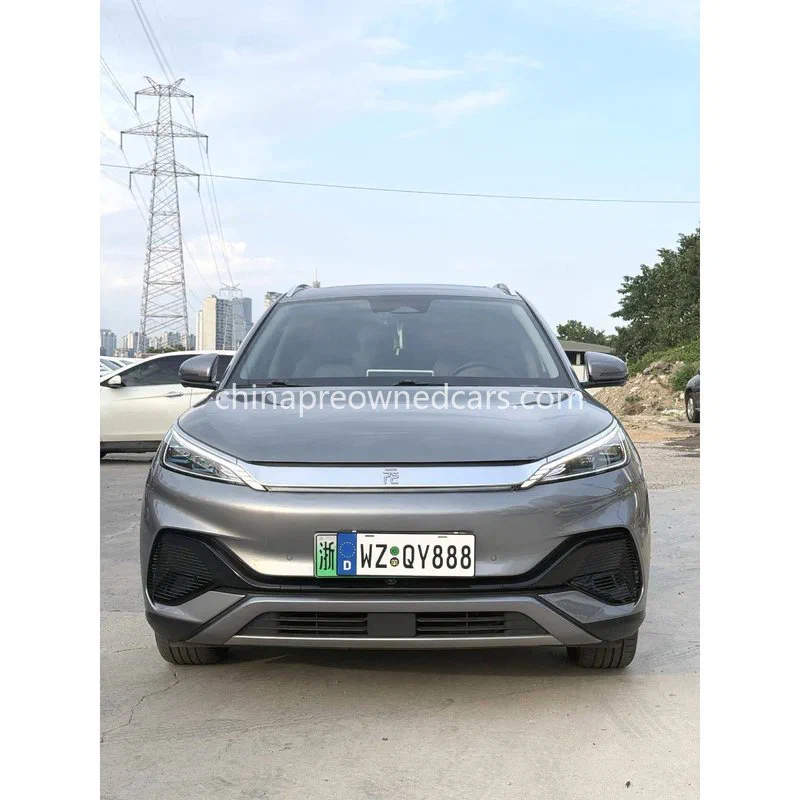
Ask a dealer in Accra or Lagos what they compete against and they will not name another Chinese brand. They will name a ten-year-old German SUV at the same landed price.
That is the comparison that decides sales, so it deserves to be made properly rather than defensively.
The two cars, on the same page
| Recent Chinese SUV | Older European SUV | |
|---|---|---|
| Model year | 2022 | 2014 |
| Mileage | around 49,000 km | around 150,000 km |
| Engine | 1.6T petrol | 3.0L diesel |
| Seats | 5, or 7 on some trims | 5 |
| Inspection report | Third-party, included | Usually none |
| Landed, Tema | around $15,900 | roughly $17,000–20,000 |
Eight years newer, roughly a third of the mileage, a third row available, a documented condition file, and cheaper at the port. On paper it is not a contest.
Yet the European car keeps selling, and understanding why is more useful than pretending it does not.
What the European car actually offers
Badge recognition. In markets where a vehicle signals standing, this is not vanity — it is the product. A buyer purchasing status is making a rational purchase of the thing they came for.
Resale familiarity. Decades of presence means the local market knows what these cars are worth. Price discovery is easy.
Mechanic familiarity. Independent workshops have serviced them for twenty years. That is real, and it is the strongest practical argument for the older car.
Perceived robustness. Sometimes accurate. A well-maintained older European SUV can be a genuinely durable vehicle.
Where it loses
Duty band. Ghana bands import duty by cylinder capacity: petrol above 3000 cc and diesel above 2500 cc attract 20%, while the 1.5T and 1.6T Chinese engines sit in the 10% band. That is a ten-point structural gap before anything else.
Nigeria’s new green tax. The 2026 Fiscal Policy Measures introduce a Green Tax Surcharge on vehicles of 2000cc and above. A 3.0-litre diesel is squarely inside it. A 1.6T is not.
Age penalties. Ghana applies an overage penalty on CIF for older vehicles, and depreciation relief caps at 50%. Past a certain age, years add cost without adding relief.
Ghana’s 15-year limit. From 1 October 2026, used vehicles over fifteen years old cannot be imported. Today’s 2014 stock has a shrinking runway; today’s 2022 stock has more than a decade of headroom.
Running cost. A 3.0-litre diesel at 150,000 km against a 1.6T at 49,000 km is not a close comparison on fuel, parts or wear.
The parts argument, honestly
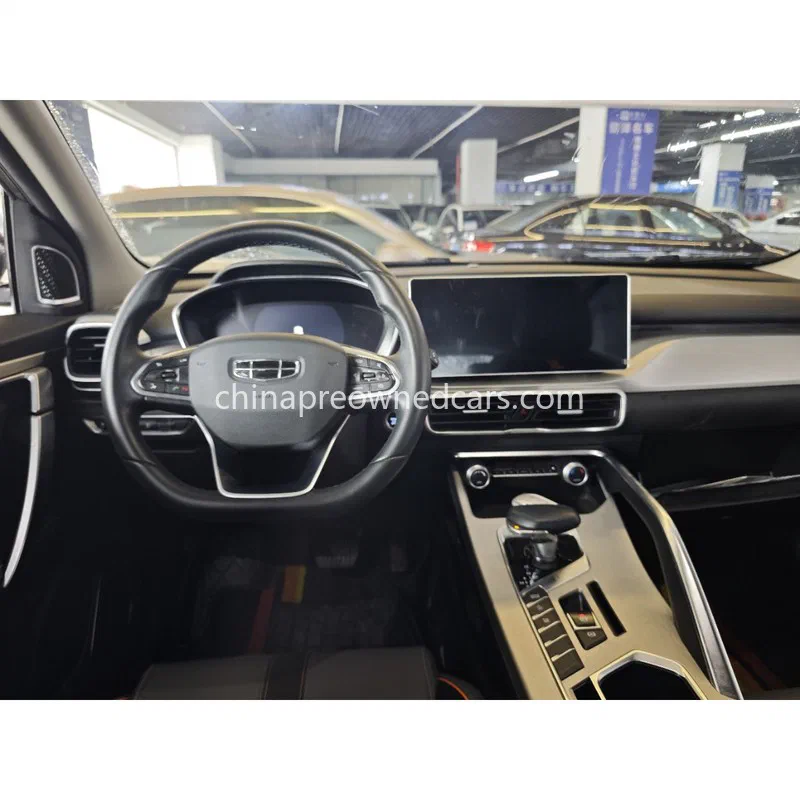
The strongest case against Chinese stock is service depth, and it should not be waved away. Chinese-brand networks in West Africa are real but thinner than Toyota’s. Routine wear items are fine; something unusual may need ordering.
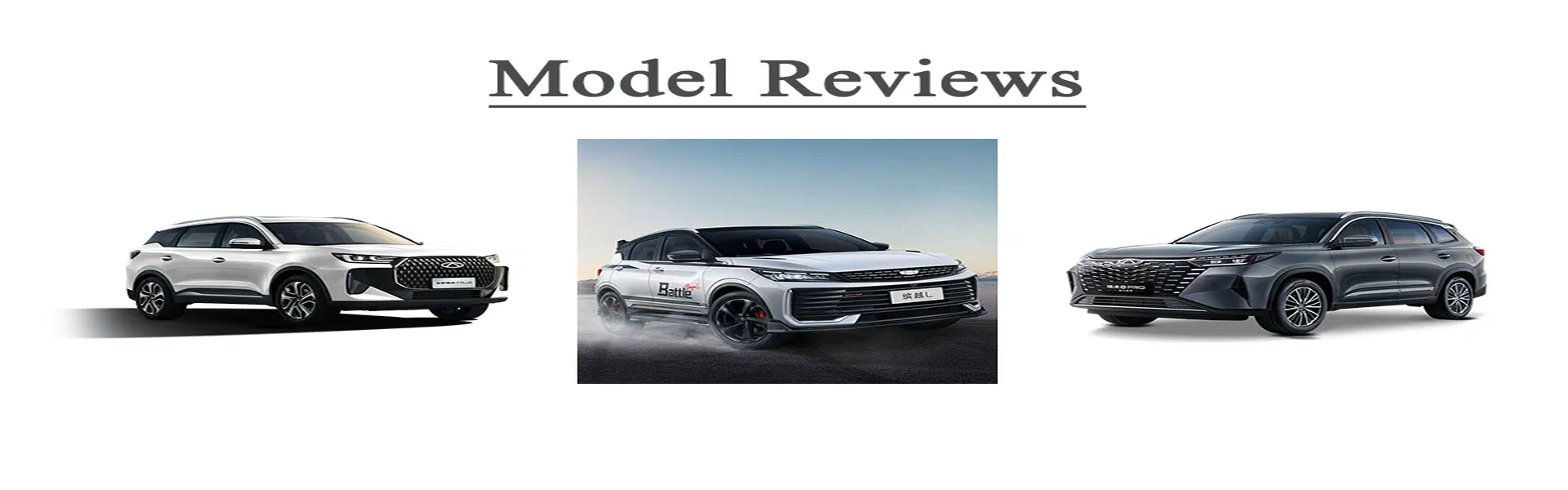
Two things narrow the gap. The Haval H6 has sold over four million units worldwide, which is enough volume that its faults are documented and independent parts supply exists. And the Chery models share components between the Tiggo 7 PLUS and Tiggo 8 Pro, so a workshop stocking for one is part-way to stocking for the other.
The gap is narrowing but it has not closed. Say so to your buyer rather than letting them find out.
What the market is doing
Ghana’s own import data shows the shift. Imports of passenger cars from China reached roughly $31.7 million across about 2,941 units in 2024, against $5.9 million across 860 units in 2023 on the same reported basis. Nigeria’s imports from China ran to about $43.6 million across 1,907 units in 2024.
Ghana imported roughly $550 million of passenger cars from all sources in 2023, so China’s share remains modest. The trajectory is what matters: buyers are trying Chinese stock and coming back to it.
How to actually sell the comparison
Do not argue the badge. If the buyer wants the badge, sell them the badge or lose the sale gracefully.
For everyone else, put the two cars side by side on mileage, model year, engine size, duty band and whether an inspection report exists. Let the table do the work. The Chinese car wins that comparison on every line except one, and the buyer can decide how much that one line is worth.
Common questions
Q: Is a Chinese SUV a better buy than a used European one? A: On mileage, model year, duty band, fuel and landed price, generally yes. On badge value and mechanic familiarity, the European car still leads.
Q: Why does the European car cost more to clear? A: Larger engines sit in higher duty bands, older vehicles attract age penalties, and Nigeria’s 2026 surcharge targets 2000cc and above.
Q: Will Ghana’s 15-year rule affect older European imports? A: Yes. From 1 October 2026, used vehicles over fifteen years old cannot be imported into Ghana.
Q: What is the single strongest argument against Chinese stock? A: Service network depth. It is improving and is genuinely thinner than Toyota’s. Buyers deserve to hear that before they buy.