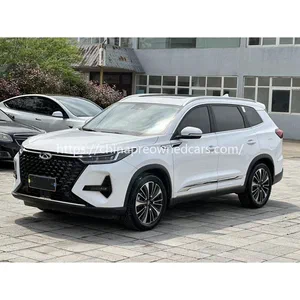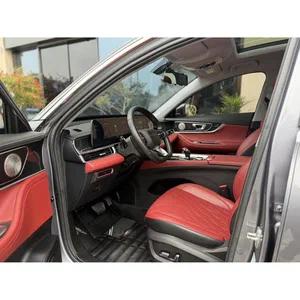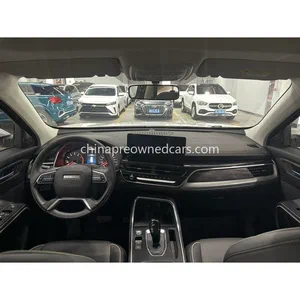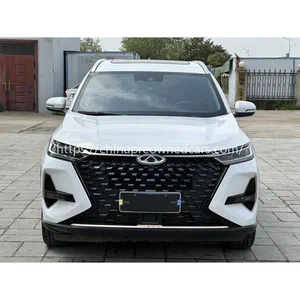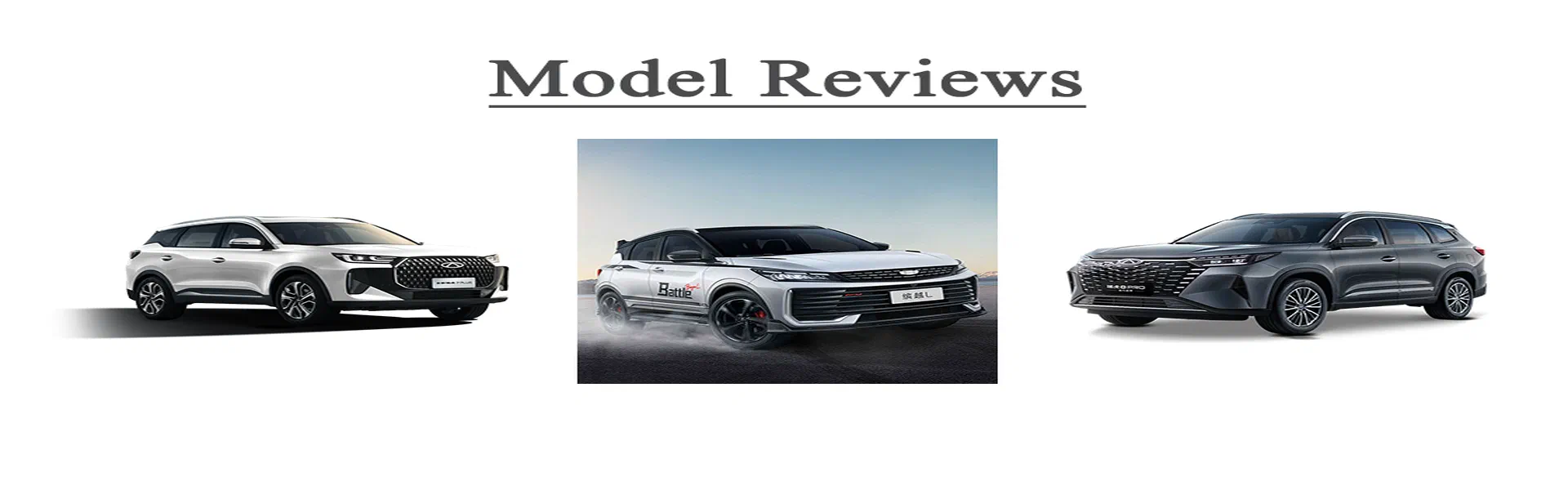

The Chery Tiggo 8 Pro and Haval H6 serve different priorities in the used SUV market. For buyers importing vehicles from China to Ghana, Nigeria, Kenya, Uganda or Tanzania, the decision depends on passenger capacity, engine configuration, fuel consumption, ground clearance and the availability of local servicing. Both models deserve consideration, but their suitability depends on the exact year, trim and mechanical specification being sourced.
Engine, transmission and fuel economy
The Chery Tiggo 8 Pro is a larger family SUV, generally positioned above compact crossovers in terms of cabin space and passenger capacity. Depending on the model year and market specification, it is available with turbocharged petrol engines, including 1.6-litre and 2.0-litre configurations. The Haval H6 is a midsize SUV with several petrol and hybrid powertrain options across its production history. Common petrol configurations include 1.5-litre and 2.0-litre turbocharged engines. These differences matter when calculating operating costs for commercial buyers and private importers. Engine displacement alone does not establish fuel economy; transmission type, vehicle weight, driving conditions and maintenance history also affect consumption. The Tiggo 8 Pro’s larger body and additional seating can increase fuel requirements, particularly under a full passenger load. The H6 may be more practical for buyers prioritising everyday commuting and moderate passenger capacity. Hybrid H6 versions require a separate assessment of battery condition and hybrid-system operation. Buyers should request the exact engine code, transmission specification and available fuel-consumption records rather than relying on figures from another trim.
African road conditions and cabin suitability
Ground clearance and suspension condition deserve close attention when evaluating either SUV for African roads. The Tiggo 8 Pro’s larger dimensions and family-oriented layout make it suitable for buyers who regularly carry passengers and luggage, but its size can be less convenient on narrow urban streets and damaged roads. The Haval H6 offers a more conventional midsize SUV footprint, which may suit mixed urban and intercity use. Neither model should automatically be treated as an off-road vehicle. Ground clearance varies by year and configuration, while low-profile tyres and underbody components can be vulnerable to potholes and uneven surfaces. Before shipment, inspect the suspension arms, shock absorbers, steering joints, wheel bearings and underbody protection. Climate control is another practical consideration. High temperatures in Ghana, Nigeria and Tanzania place sustained demands on air-conditioning systems. Test cooling performance at idle and during a road test, inspect the condenser and compressor, and check for unusual noises. Cabin ventilation, cooling fan operation and coolant-system condition also deserve attention. A vehicle that cools adequately during a short inspection may behave differently under prolonged traffic and high ambient temperatures.
Condition, servicing and export compatibility
Parts availability can influence long-term ownership costs more than the original purchase specification. Haval and Chery have established vehicle line-ups in China, but the availability of replacement components in Ghana, Nigeria, Kenya, Uganda and Tanzania varies by distributor network and local market activity. Before selecting a model, buyers should identify suppliers for routine service items, brake components, suspension parts, filters and electronic sensors. More specialised components, including turbochargers, transmission assemblies and hybrid-system parts, may require sourcing from China. The Tiggo 8 Pro’s additional equipment and electronic systems also create more inspection points. Check the infotainment unit, cameras, parking sensors, electric tailgate where fitted, power seats and dashboard warning indicators. On the H6, inspect the turbocharger response, transmission shifts, cooling system and electronic controls. For either vehicle, diagnostic scanning should accompany a mechanical inspection. Service records, VIN consistency, previous accident repairs and odometer history should be reviewed independently. A clean exterior is not proof of sound mechanical condition. Buyers researching what are the best sites for used cars should also compare the quality of vehicle documentation and inspection evidence, not just listing photographs.
Powertrain, emissions and steering configuration

Export compatibility requires more than choosing the preferred SUV. Petrol and hybrid versions of the Haval H6 have different operating requirements, while the Tiggo 8 Pro specifications available through the Chinese domestic market are generally petrol-powered. Buyers considering a hybrid should verify the battery type, diagnostic results, state of health and cooling-system operation. Charging requirements apply only to plug-in vehicles, not conventional petrol models or standard non-plug-in hybrids. For battery-electric vehicles such as the BYD Atto 3, charging connector compatibility, available charging infrastructure and battery condition become additional purchasing considerations. Neither the Tiggo 8 Pro nor the H6 should be selected on the assumption that every version meets a destination’s emissions rules. Confirm the actual engine emissions specification and supporting documents against current import requirements. Steering configuration is equally important. Most Chinese domestic-market vehicles are left-hand drive, which can restrict registration in right-hand-drive markets such as Ghana, Nigeria, Kenya, Uganda and Tanzania, depending on current national regulations and applicable exceptions. Buyers should establish whether a specific LHD vehicle can legally be imported and registered before payment. A model’s availability in China does not establish its eligibility for a particular destination.
Inspection, shipping and purchase planning
A practical export transaction begins with vehicle verification. The exporter should provide the VIN, model year, trim, engine specification, mileage information and available maintenance history. A pre-shipment inspection should cover bodywork, chassis condition, engine operation, transmission performance, tyres, brakes, suspension and electronic systems. For hybrids, include battery diagnostics where applicable. The inspection findings should be documented before the buyer authorises shipment. China’s used vehicle export process requires the appropriate export licensing, customs declaration and pre-shipment inspection procedures. Documentation typically includes the commercial invoice, sales contract, export declaration and shipping documents, with destination-specific paperwork confirmed before dispatch. RoRo shipping is generally suitable for operable vehicles that can be driven onto and off the vessel. Container shipping offers enclosed transport and may suit buyers requiring additional cargo protection or consolidated shipments. The choice depends on port availability, shipping arrangements and cost. Transit times vary with the departure port, vessel schedule and destination clearance process. Payment terms should be agreed in writing, including the deposit, balance payment conditions, inspection approval and responsibility for shipping charges. Buyers should also establish how post-arrival concerns will be handled, particularly where replacement parts need to be sourced from China. The Tiggo 8 Pro is a stronger candidate when additional seating and cabin capacity are central requirements. The Haval H6 is worth prioritising when a midsize footprint and a choice of petrol or hybrid configurations better match the intended use. The final selection should follow the verified specification and destination-country import rules.
FAQ
Q: Is the Chery Tiggo 8 Pro better than the Haval H6 for African roads?
A: Neither is universally better. The Tiggo 8 Pro suits buyers needing greater passenger capacity, while the Haval H6 may be more practical for everyday midsize SUV use. Ground clearance, suspension condition and steering configuration should be checked on the individual vehicle.
Q: What should buyers verify before importing either SUV from China?
A: Confirm the VIN, model year, engine specification, mileage history, inspection report, steering position and destination import eligibility. Also check parts availability, emissions compliance, shipping documentation and the agreed payment terms.