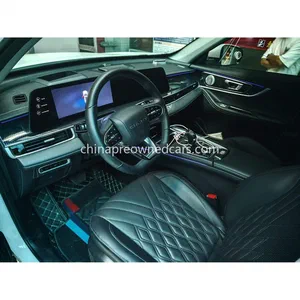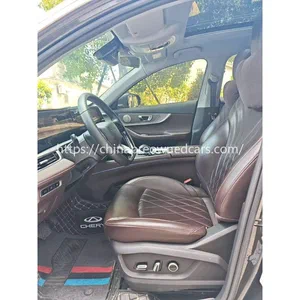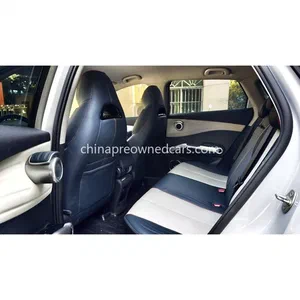
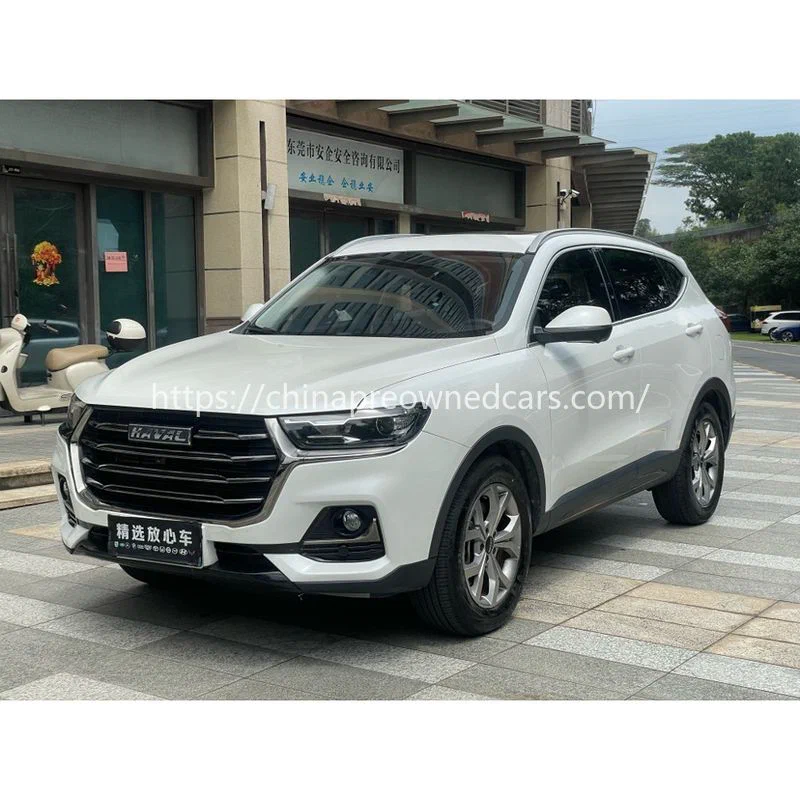
Pre owned vehicle selection for export depends on more than purchase price. This page reviews how mileage, history, and condition grading are assessed for Chinese SUVs before shipment to African markets. It also explains what buyers can verify during inspection and what requires further confirmation.
Assessing used vehicle condition before export
A used SUV assessment normally covers three areas: cosmetic condition, mechanical health, and vehicle records. Exterior panels, paint repairs, interior wear, tires, suspension components, brakes, and electrical functions are checked to determine condition grade. Mileage should be compared with service records, inspection findings, and VIN information rather than considered alone. A lower odometer reading does not replace a complete history review.
For African roads, models such as BYD Atto 3, Chery Tiggo 7 Plus, Chery Tiggo 8 Pro, Geely Coolray, and Haval H6 are commonly assessed for ground clearance, cooling performance, air conditioning operation, and suspension condition. Rough roads, high temperatures, and long-distance driving make these checks important. Export-grade or dealer-grade usually refers to vehicles selected after inspection and preparation, not a guarantee that every component is new or without future maintenance needs.
Inspection points and export suitability
A pre-shipment inspection typically examines the engine or electric drive system, transmission where applicable, battery condition for EV models, charging system, safety features, and visible accident repairs. For BYD Atto 3 and other electric SUVs, battery state of health, charging history, and battery transport requirements require specific attention. Inspection can identify current conditions, but it cannot predict every future repair.
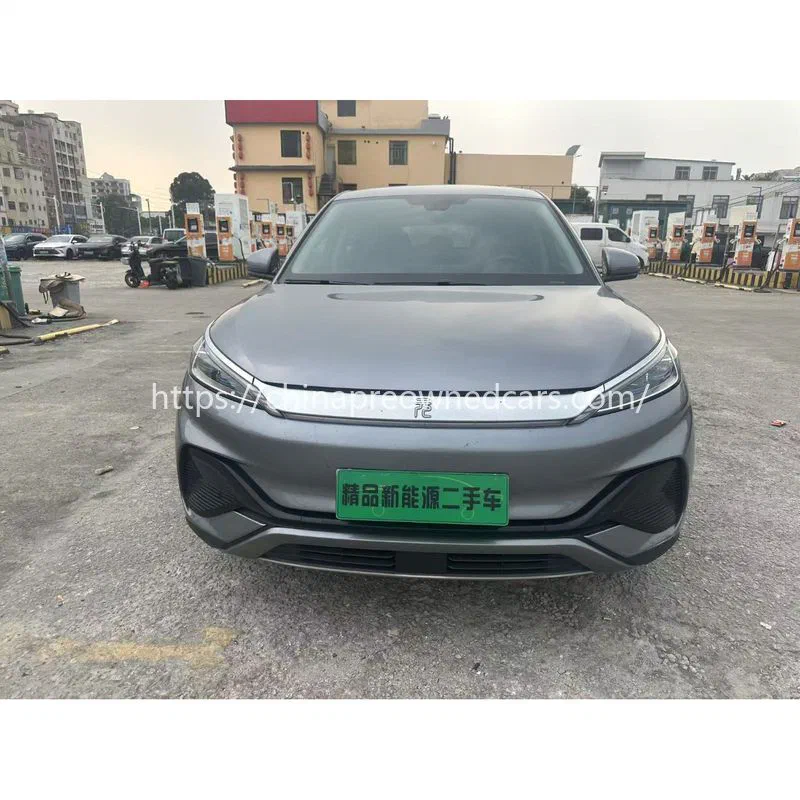
Buyers searching for pre owned cheap cars for sale should review inspection photos, VIN verification results, maintenance documents, and any available diagnostic reports. Common red flags include inconsistent mileage records, water damage signs, poor accident repairs, warning lights, abnormal noises, and missing service information. Parts availability in Ghana, Nigeria, Kenya, Uganda, and Tanzania should also be checked with local suppliers before purchase.
A used vehicle export process includes export licensing, customs declaration, documentation preparation, and pre-shipment inspection. Vehicles may be shipped by RoRo or loaded into containers depending on route, vehicle type, and logistics arrangements. Most Chinese domestic vehicles are left hand drive, so buyers in markets with different driving requirements should confirm compatibility before ordering.
Condition grading helps organize a purchase decision, but verification remains necessary at every stage. Destination countries set their own rules for vehicle age, emission standards, drive side, and roadworthiness, and these requirements can change. Buyers should confirm current import regulations before shipment and clarify payment terms, shipping lead time, and after-sales support arrangements with the exporter.


FAQ
Q: Does low mileage mean a used SUV is in better condition? A: Low mileage can be useful information, but it should be checked against service history, VIN records, and inspection results.
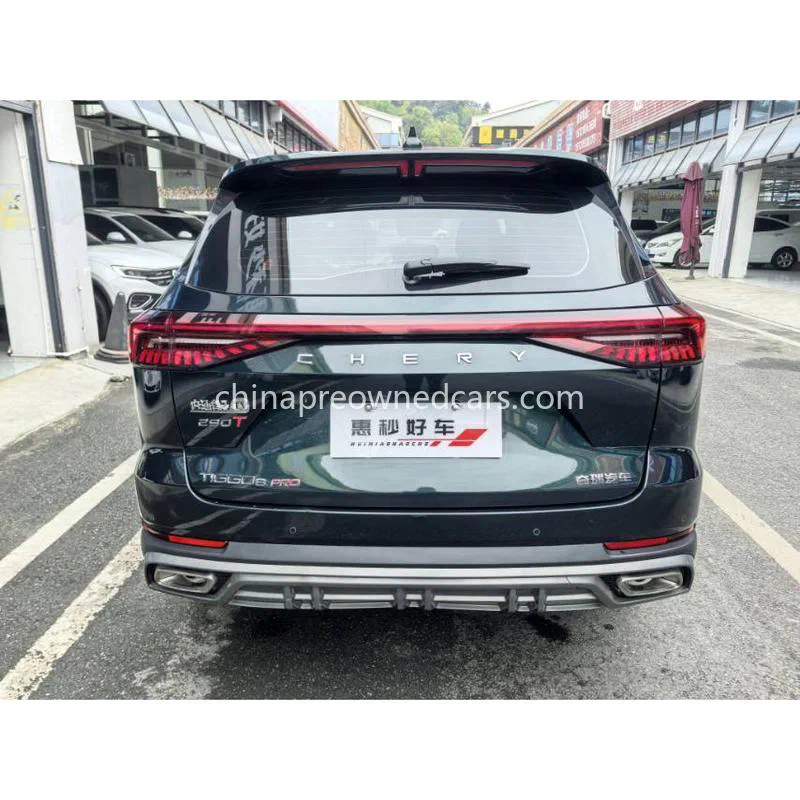
Q: What should be checked on a used BYD Atto 3 before export? A: Buyers should review battery health, charging system condition, accident history, and available maintenance records before shipment.
Q: Can Chinese used SUVs be imported to Ghana or Kenya without checks? A: Import requirements vary by country, so buyers should confirm current regulations, documentation needs, and vehicle compatibility before purchase.