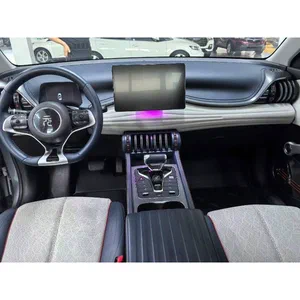
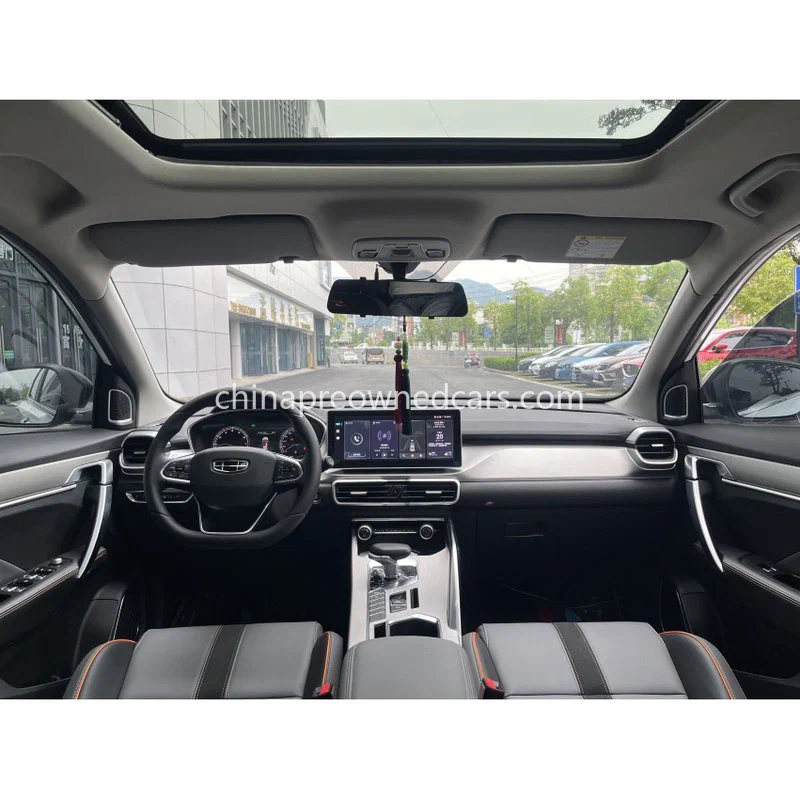
BYD Atto 3 and hybrid SUVs such as Chery Tiggo 7 Plus, Chery Tiggo 8 Pro, Geely Coolray and Haval H6 have different strengths for export buyers. This review compares the factors that affect vehicle selection for African markets, including powertrain, operating conditions, inspection points and export preparation.
Powertrain and daily operating differences
The main difference is energy supply. The BYD Atto 3 is a fully electric SUV using a battery pack and electric motor, while hybrid SUVs combine a combustion engine with electric assistance. For export markets, the choice depends on local charging access, fuel availability, maintenance capability and import requirements.
The Atto 3 can reduce dependence on fuel and offers quiet operation with instant motor response. Battery condition is the key inspection area for a used EV. Buyers should request battery health information, charging history where available, diagnostic results and a physical inspection of the high-voltage system before purchase. Charging connector compatibility and local charging infrastructure should also be confirmed before shipment.
Hybrid SUVs remain practical where charging networks are limited. Models such as Chery Tiggo 7 Plus and Chery Tiggo 8 Pro provide a conventional driving experience with lower fuel consumption than many traditional petrol vehicles, depending on driving conditions. Their combustion engines, transmissions and cooling systems require inspection, especially for vehicles expected to operate in hot climates or on rough roads.
Road conditions, climate and vehicle suitability
African roads create specific demands during used SUV selection. Ground clearance, suspension condition, tyre condition and underbody inspection are important checks for areas with uneven roads or unpaved routes. The BYD Atto 3 offers SUV packaging and everyday practicality, while hybrid SUVs may be preferred by operators who need longer travel flexibility without depending on charging points.


Climate control performance matters in markets such as Ghana, Nigeria, Kenya, Uganda and Tanzania, where vehicles may face high temperatures and long periods of air-conditioning use. Inspection should include the air-conditioning system, cooling components, electrical functions and signs of previous repairs. A used vehicle should be assessed individually rather than selected only by model name.
Parts and service support are another consideration. Hybrid models with established engine systems may be easier to maintain in some locations where workshops are familiar with conventional drivetrains. EV buyers should confirm access to suitable diagnostic equipment, charging support and technicians familiar with battery systems. Availability of replacement parts can vary by destination market and should be checked before purchase.
Export preparation and market checks
Chinese used vehicle exports require export licensing, customs declaration and pre-shipment inspection before shipment. Exporters normally prepare vehicle documents, complete inspection procedures and arrange transport by RoRo or container shipping according to vehicle type, route and buyer requirements. Destination authorities may apply their own rules covering vehicle age, emissions, roadworthiness and import procedures.
Drive side is also a practical issue. Most Chinese domestic vehicles are left-hand drive, including the inventory commonly sourced for export. Buyers in Ghana, Nigeria, Kenya, Uganda and Tanzania should confirm local acceptance requirements because right-hand-drive markets may require different sourcing arrangements or restrictions.

The question of will the cost of used cars go down often appears when buyers compare timing and purchase options. Used vehicle pricing changes with supply, demand, exchange rates, regulations and market conditions, so export buyers usually focus on vehicle suitability, inspection results and total landed cost rather than waiting for a general price movement.
Inspection priorities before purchase
A professional assessment should cover more than exterior appearance. For the BYD Atto 3, key checks include battery health, charging operation, electric system diagnostics, accident history and previous maintenance records. For hybrid SUVs, inspectors should review engine performance, hybrid components where equipped, transmission operation, cooling systems and electronic functions.
Vehicle history verification is also important. VIN records, service documents and pre-shipment inspection reports help buyers understand a vehicle’s background before payment and shipment. Condition grading should describe observed facts, such as cosmetic condition, mechanical findings and inspection results, rather than provide an unconditional guarantee.
For overseas buyers, payment terms and documentation should be agreed clearly with the exporter. Export documents, customs paperwork and shipping arrangements should match the destination market requirements. Clear communication before purchase reduces delays during customs clearance and port handling.
The BYD Atto 3 suits buyers with access to charging infrastructure and interest in electric operation, while hybrid SUVs remain a flexible option for areas where fuel supply and workshop availability are stronger factors. Models such as Chery Tiggo 7 Plus, Chery Tiggo 8 Pro, Geely Coolray and Haval H6 should each be evaluated by condition, local support and intended use rather than by technology type alone.

FAQ
Q: Is BYD Atto 3 suitable for African export markets? A: BYD Atto 3 can suit markets with suitable charging infrastructure and EV service capability. Battery health and charging compatibility should be verified before export.
Q: Are hybrid SUVs easier to maintain than used EVs? A: Maintenance requirements depend on local workshop capability and parts availability. Hybrid SUVs may be familiar to more traditional repair networks, while EVs require battery and electrical system support.
Q: What should buyers check before importing a used Chinese SUV? A: Buyers should verify vehicle condition, VIN information, inspection results, export documents and destination import requirements before shipment.