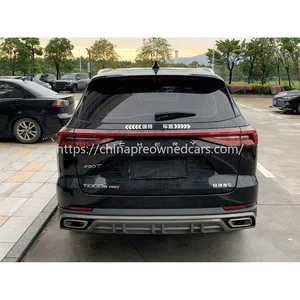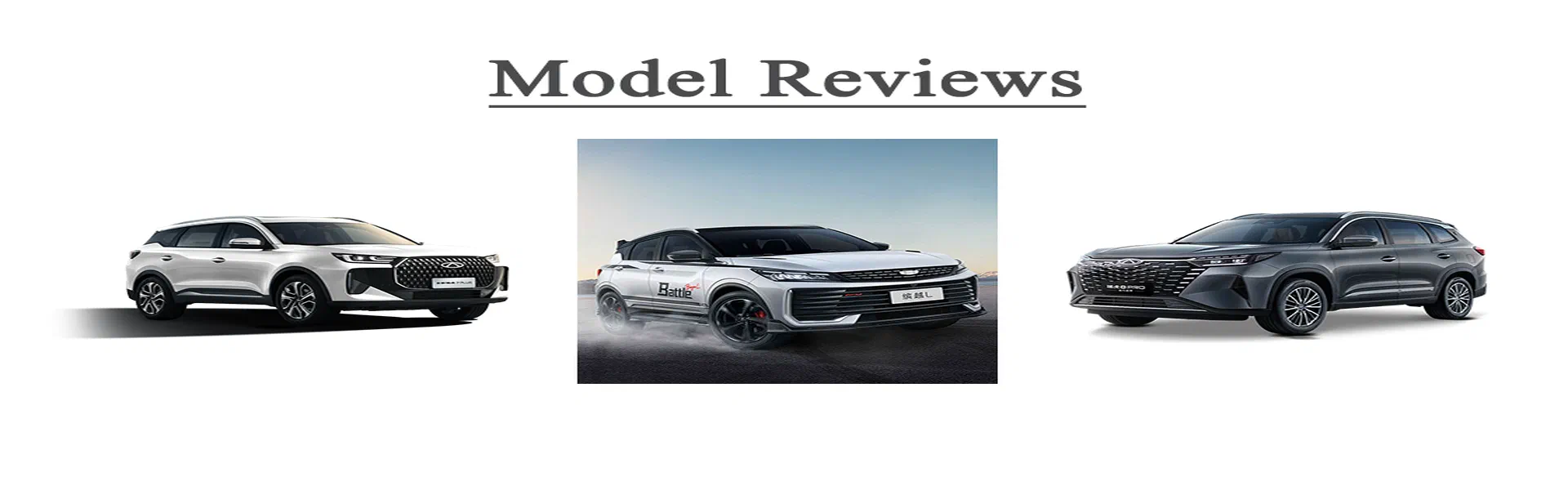
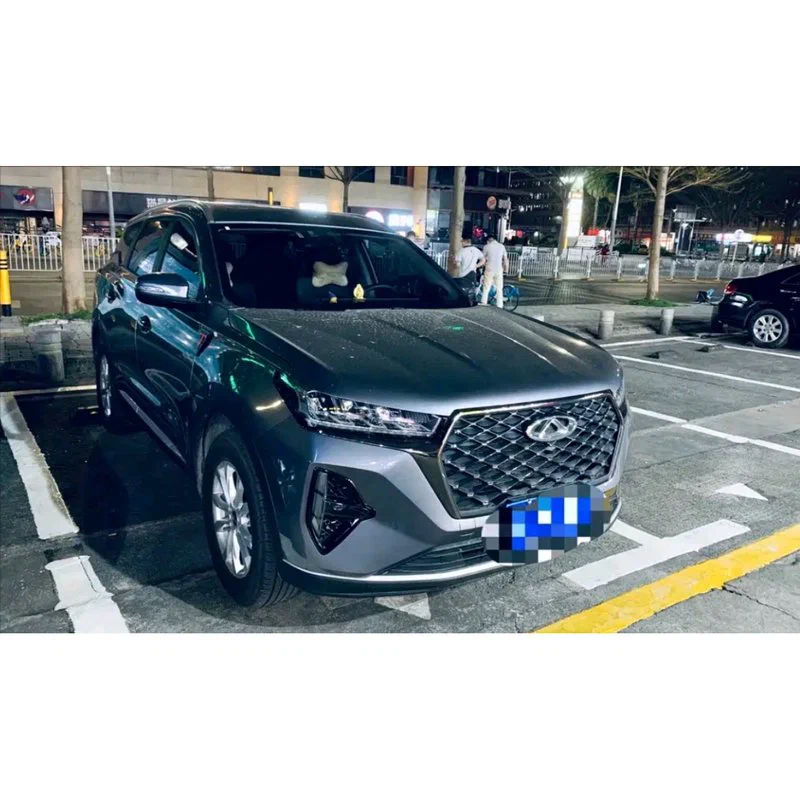
The BYD Atto 3 and Chery Tiggo 7 Plus serve different roles in the used SUV export market. The Atto 3 is a fully electric compact SUV, while the Tiggo 7 Plus uses a petrol powertrain, making fuel availability and charging access central to the buying decision. For importers in Ghana, Nigeria, Kenya, Uganda and Tanzania, the choice also depends on road conditions, vehicle configuration, maintenance access and local import regulations.
The BYD Atto 3 is designed around an electric drivetrain, with responsive acceleration and fewer routine mechanical service items than a petrol SUV. Its driving range depends on battery capacity, battery condition, speed, temperature and air-conditioning use. Buyers should request a battery state-of-health assessment rather than rely on the original factory range figure. Charging compatibility needs equal attention. The vehicle’s charging connector, supported charging protocol and onboard charging capacity must match the equipment available in the destination market. Public charging coverage remains uneven across African markets, so an importer should assess whether home, workplace or fleet charging can support daily operation. The Tiggo 7 Plus takes a different approach. Its petrol engine and conventional refuelling requirements make it easier to operate where charging infrastructure is limited. Fuel consumption varies with engine specification, transmission, traffic and load. Its ground clearance and SUV layout can suit mixed urban and rural routes, but neither model should be treated as an off-road vehicle without checking the actual specification. For buyers comparing the best used cars for under 30k, the purchase budget should include shipping, import duties, registration and any destination-specific compliance costs, not just the vehicle price.
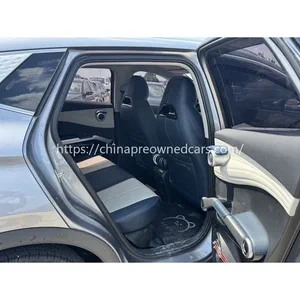
Road suitability requires more than comparing advertised specifications. The Atto 3’s battery is mounted low in the chassis, making underbody condition particularly important when inspecting vehicles intended for uneven roads. Check the battery enclosure, protective panels, suspension joints, tyres and signs of previous impact. High temperatures also place demands on battery thermal management and cabin cooling. An inspection should confirm that the air-conditioning system operates consistently and that no battery or charging warnings appear. The Tiggo 7 Plus avoids high-voltage battery charging requirements, but its engine, cooling system and transmission need careful examination, especially where vehicles may face prolonged traffic and hot operating conditions. Check for coolant leaks, abnormal engine noise, oil contamination, transmission hesitation and suspension wear. Parts availability is another practical distinction. BYD has an established electric vehicle product range, while Chery’s petrol models use more conventional service procedures. However, neither brand should be assumed to have equal parts coverage in every destination city. Importers should confirm access to filters, brake components, suspension parts, diagnostic equipment and trained technicians before committing to a fleet purchase. The same checks apply to other available models, including the Chery Tiggo 8 Pro, Geely Coolray and Haval H6.

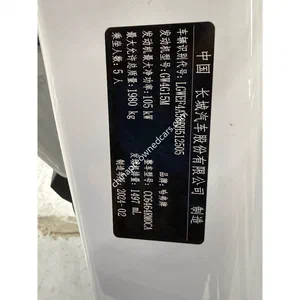
Export configuration can determine whether either vehicle is suitable for a particular buyer. Most vehicles sourced from China’s domestic market are left-hand drive. This is generally compatible with left-hand-drive operating environments, but buyers in Ghana, Nigeria, Kenya, Uganda and Tanzania must verify current registration and import rules, including any restrictions relating to steering position, vehicle age, emissions and roadworthiness. Emission compliance is particularly relevant to the petrol-powered Tiggo 7 Plus; an electric vehicle avoids exhaust emissions but remains subject to vehicle import and registration requirements. No single specification should be assumed acceptable across all five markets. Before purchase, request the VIN, manufacturing details, mileage records where available, service history, inspection photographs and an independent pre-shipment inspection report. For the Atto 3, add battery diagnostics and charging-system checks. For both models, verify accident repairs and structural condition. China’s export process requires the appropriate export licence, customs declaration and pre-shipment inspection, followed by shipping documentation and port arrangements. RoRo shipping is often suitable for operational vehicles, while container shipping provides enclosed transport and may suit buyers seeking additional protection or combining cargo. Payment milestones, inspection approval, shipping arrangements and after-sales parts support should be agreed in writing. The final decision is straightforward: choose the Atto 3 where charging and EV servicing are practical; choose the Tiggo 7 Plus where established petrol refuelling and conventional maintenance are stronger considerations.
FAQ
Q: Is the BYD Atto 3 suitable for use in Ghana, Nigeria and Kenya?
A: It can be suitable where charging access, compatible charging equipment and EV servicing are available. Battery health and local registration requirements should be verified before purchase.
Q: Which is easier to maintain, the BYD Atto 3 or Chery Tiggo 7 Plus?
A: The Tiggo 7 Plus generally fits markets with established petrol vehicle servicing, while the Atto 3 requires technicians familiar with high-voltage systems and access to EV diagnostic equipment.