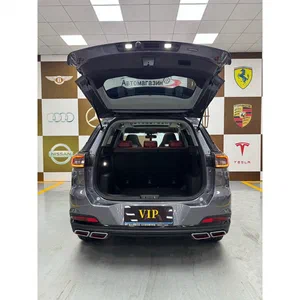

The BYD Atto 3 and Chery Tiggo 7 Plus serve different operating needs in the used SUV export market: one runs entirely on battery power, while the other uses a petrol engine. For importers in Ghana, Nigeria, Kenya, Uganda and Tanzania, the decision depends on charging access, running costs, local import rules and the availability of suitable maintenance services. Vehicle condition and the specifications of the individual unit also matter.
Powertrain, range and operating costs
The BYD Atto 3 is a battery electric SUV. It uses an electric motor and a high-voltage battery rather than a petrol engine, gearbox and exhaust system. This reduces the number of conventional engine components requiring routine servicing, but it introduces battery health and charging considerations that do not apply to a petrol vehicle. The Chery Tiggo 7 Plus uses a petrol powertrain, with engine and transmission specifications varying by model year and configuration. Buyers should verify the exact version rather than assume every vehicle has identical equipment.
Range is a key distinction. The Atto 3’s usable driving distance depends on battery capacity, state of health, temperature, speed, tyre condition and the use of air conditioning. A published new-vehicle range is not a reliable estimate for a pre-owned unit without further checks. Request the battery’s state-of-health assessment, diagnostic records and charging history where available. For the Tiggo 7 Plus, assess fuel consumption under the expected operating conditions, including traffic, passenger loads and road quality. Actual consumption can differ substantially from laboratory figures.
Running-cost comparisons should use local energy and fuel prices. An Atto 3 may offer lower energy costs where electricity is affordable and charging is accessible, particularly for predictable daily routes. However, installation of charging equipment, electricity interruptions and access to compatible public chargers can affect the total cost. A petrol Tiggo 7 Plus avoids dependence on charging infrastructure, although fuel expenses and engine maintenance remain ongoing costs. Importers should compare estimated monthly expenditure against the vehicle’s expected mileage and working pattern.
Export compatibility and technical checks
Destination regulations can determine which vehicle is practical before operating costs enter the calculation. Ghana, Nigeria, Kenya, Uganda and Tanzania each have their own import procedures and requirements, including rules that may cover vehicle age, emissions, roadworthiness, documentation and inspection. These rules can change, and the applicable requirements may depend on vehicle category, manufacturing year and other details. Importers should confirm the current regulations with the relevant authorities or a qualified local clearing agent before committing to a purchase.
For the Tiggo 7 Plus, the exact engine specification and applicable emissions documentation should be checked against the destination’s current requirements. A petrol vehicle is not automatically compliant simply because it meets a standard in China. The Atto 3 has no tailpipe emissions during driving, but that does not exempt it from customs procedures, vehicle eligibility rules or other applicable import requirements. Battery transport documentation and any requirements for electric vehicles must also be considered. Neither powertrain should be selected on the assumption that import clearance will be automatic.

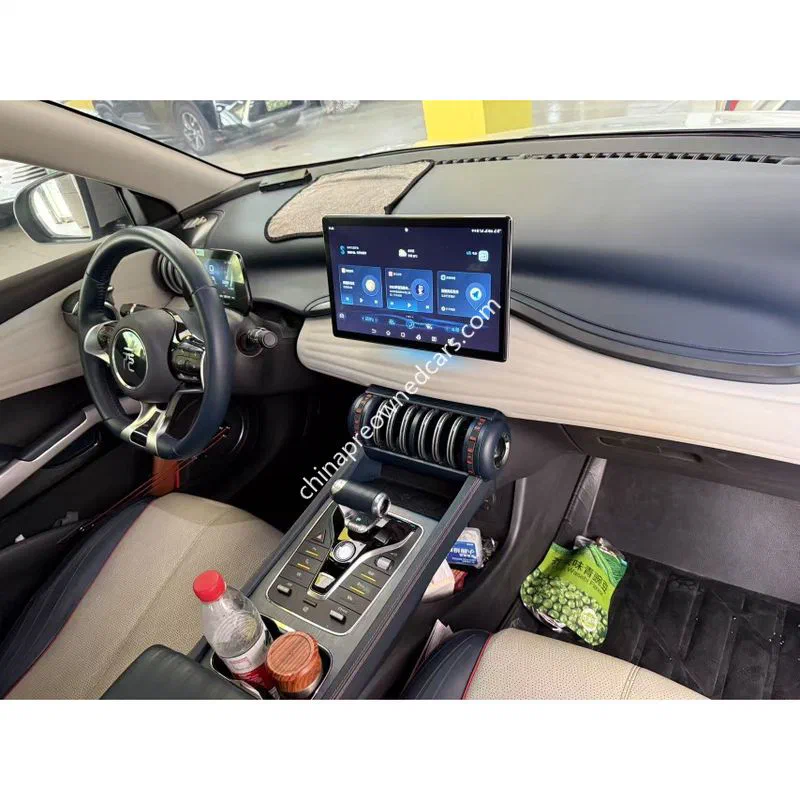
Drive configuration deserves equal attention. Most vehicles sourced from China’s domestic market are left-hand drive (LHD). The Atto 3 and Tiggo 7 Plus units offered for export must therefore be checked individually for steering position and conformity with the destination’s rules. Ghana and Nigeria, for example, drive on the right, while Kenya, Uganda and Tanzania drive on the left. Roadside driving practice alone does not establish whether an imported LHD vehicle is legally admissible. Buyers should verify the permitted steering configuration and any applicable exceptions before selecting a unit. A vehicle that fails this check can create registration and resale problems even if its mechanical condition is satisfactory.

Charging, servicing and shipment planning
The Atto 3 requires a closer review of charging compatibility than a petrol SUV. Buyers should confirm the vehicle’s charging inlet, supported AC and DC charging standards, charging power limits and compatibility with equipment available at the destination. Connector types and charging arrangements should be verified from the specific vehicle and local charging network rather than inferred from the model name alone. Battery diagnostics should cover available state-of-health information, fault codes, warning indicators and evidence of abnormal degradation. The inspection should also consider the high-voltage system and charging equipment. Any battery damage or unresolved electrical fault needs professional assessment before shipment.
The Tiggo 7 Plus generally fits operations where petrol refuelling is more practical than installing or locating EV chargers. Its serviceability still depends on access to appropriate diagnostic tools, engine and transmission parts, and technicians familiar with the particular model and powertrain. The same principle applies to the Atto 3: fewer conventional engine-service requirements do not mean that every repair is simple or inexpensive. Importers should investigate local access to qualified EV technicians, battery-related parts and software support. The BYD Atto 3, Chery Tiggo 8 Pro, Geely Coolray and Haval H6 provide additional reference points within the exporter’s listed inventory, but their powertrains and equipment should be assessed individually rather than treated as interchangeable alternatives.
Before payment, request the VIN, model year, trim, mileage evidence, service records where available and a condition report covering the body, chassis, tyres, brakes, suspension and electronic systems. An independent pre-shipment inspection can help identify accident repairs, corrosion, diagnostic faults or inconsistencies in the records. Mileage and condition should be treated as items to verify, not guarantees. The exporter handles export logistics, documentation and shipping arrangements, including the relevant export licensing, customs declaration and pre-shipment inspection processes. Depending on the vehicle and shipment plan, transport may use roll-on/roll-off (RoRo) or container shipping. RoRo carries vehicles aboard a specialist vessel, while container shipping places them inside a secured freight container. The choice depends on route availability, handling requirements, cost and cargo arrangements. Before finalising an order, confirm payment milestones, the documents supplied, the shipping estimate, destination-port charges and the process for raising condition discrepancies. Buyers who search for used cars online should compare documented specifications and inspection evidence, not listing photographs alone.
FAQ
Q: Is the BYD Atto 3 or Chery Tiggo 7 Plus better for export to Africa?
A: The Atto 3 suits buyers with compatible charging access and a workable plan for battery servicing. The Tiggo 7 Plus may be more practical where petrol refuelling and conventional repair services are easier to access, subject to destination import rules.
Q: What should an importer verify before shipping either SUV?
A: Confirm the VIN, vehicle specification, condition report, mileage evidence, steering position, applicable import requirements and required export documents. For the Atto 3, also verify battery health, charging compatibility and any applicable battery transport requirements.