Worked for a couple of seconds
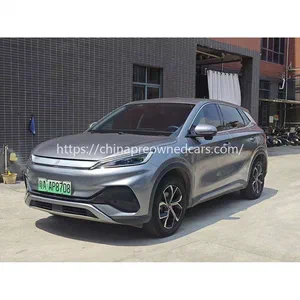
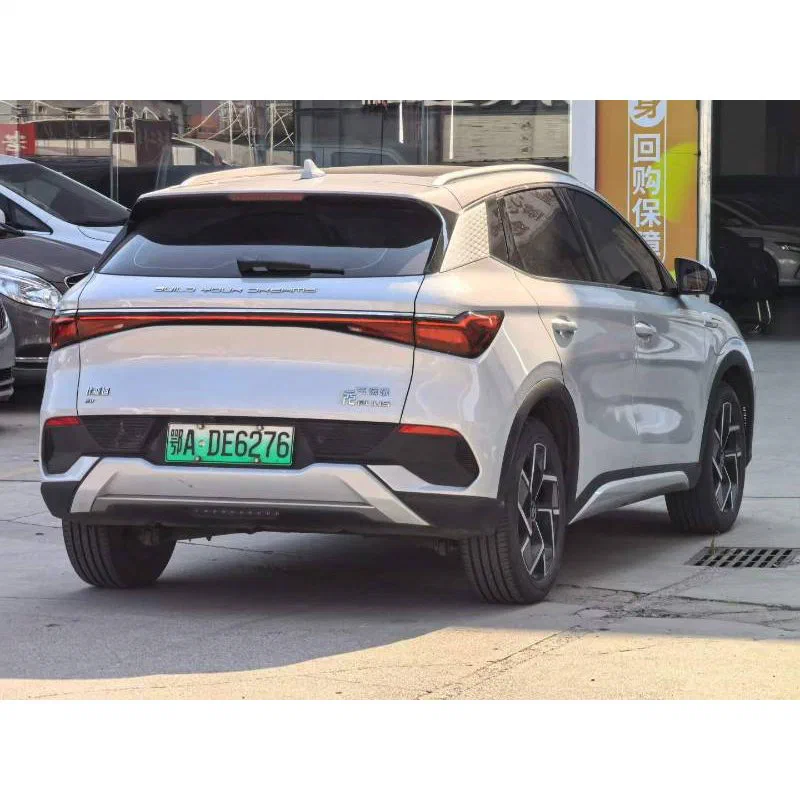
The BYD Atto 3 is a compact electric SUV whose export suitability depends on more than its purchase figure. This review looks at the specifications, used-vehicle condition factors, African road considerations, and checks that can materially affect a buyer’s final cost.
Powertrain and export-relevant specifications
The BYD Atto 3 uses a battery-electric powertrain with front-wheel drive and a single electric motor. Depending on the original specification, battery capacity and rated driving range can differ, so the exact VIN and factory configuration should be checked rather than relying on a generic model listing. For export buyers, the useful points are simple: there is no combustion engine or tailpipe emission system to maintain, while charging access becomes part of the vehicle’s operating requirements. Most Chinese domestic-market units are left-hand drive, which generally suits Ghana, Nigeria, Kenya, Uganda, and Tanzania better than markets that require right-hand drive, but the buyer should confirm the destination rule before purchase.
Ground clearance matters more than headline acceleration when an Atto 3 is assessed for African roads. Its crossover body gives more clearance than a conventional passenger car, but it is not an off-road SUV designed for deep ruts, rocks, or repeated hard impacts underneath the vehicle. On rough urban roads and maintained secondary roads, the format is practical. A pre-purchase inspection should pay particular attention to the lower battery enclosure, suspension components, wheels, tyres, and underbody panels. Any evidence of impact deserves further investigation because battery-pack damage can have consequences beyond ordinary bodywork.
Heat, battery condition, and daily use


Cabin cooling is another relevant consideration in Ghana, Nigeria, Kenya, Uganda, and Tanzania. Air-conditioning performance should be tested from a cold start, including compressor operation, temperature change, blower settings, and unusual noises. For an EV, battery health is equally important. The advertised range is a reference figure, not a guarantee for a used vehicle. A buyer should request battery state-of-health information where available, review charging behaviour, check for abnormal battery warnings, and compare diagnostic data with the vehicle’s reported usage history. High ambient temperatures and frequent fast charging can make battery condition a particularly important part of the assessment.
The Atto 3 can be attractive where charging infrastructure is developing, but charging access should be checked before committing to a shipment. A buyer operating mainly in a city with dependable charging has a different risk profile from an operator covering long rural routes with limited public infrastructure. Charging equipment, connector compatibility, onboard charging functions, and the availability of suitable electrical supply at the intended operating site should all be confirmed. This is also where the Atto 3 differs from models such as the Chery Tiggo 7 Plus, Chery Tiggo 8 Pro, Geely Coolray, and Haval H6, which may use combustion or hybrid powertrains depending on the specific version.
Condition grading should be based on evidence rather than a label alone. For a used Atto 3, the inspection file should cover exterior paint and panel repairs, glass, wheels, tyres, interior wear, warning lights, suspension, braking components, air conditioning, charging equipment, and electronic functions. Mileage should be verified against available service records and diagnostic information rather than treated as proof of condition by itself. A useful assessment also records previous accident repairs and flood or water exposure. These details can influence the final pre owned car price more than small differences in trim equipment.
Export checks and total purchase cost
The vehicle price is only one part of the export calculation. A Chinese used-vehicle shipment requires the appropriate export licensing, customs declaration, documentation, and pre-shipment inspection before loading. Depending on the shipment arrangement, the Atto 3 may travel by RoRo or inside a container. RoRo can be suitable for vehicles handled individually at ports, while container loading can be considered where cargo protection, consolidation, or route availability makes it appropriate. Freight, port charges, destination taxes, customs costs, and local registration should be assessed separately because these vary by shipment and country.
Destination compliance needs an early check. Ghana, Nigeria, Kenya, Uganda, and Tanzania can apply their own requirements concerning vehicle age, emissions or environmental standards, drive side, roadworthiness, documentation, and import procedures, and these rules can change. Buyers should confirm the current requirements with the relevant customs or transport authorities before payment. VIN verification, ownership documentation, export paperwork, and the pre-shipment inspection record should match the vehicle being purchased. After-sales planning also matters: parts availability for the Atto 3 may depend on the local distributor and independent repair network, so buyers should identify a practical source for routine service items, tyres, suspension components, electronic diagnostics, and EV-specific repairs before shipment.

For an export buyer, the strongest Atto 3 candidate is not simply the lowest-priced unit. It is the vehicle with a verifiable identity, documented condition, acceptable battery health, compatible left-hand-drive configuration, and a destination market that can support its charging and service needs. A structured inspection report and clear export documentation make comparison between units much easier. Payment terms should also be tied to identifiable transaction stages and documents, while shipping lead time should be treated as an operational estimate rather than a fixed promise because inspection, customs, vessel schedules, and port handling can affect the timeline.
FAQ
Q: Is the BYD Atto 3 suitable for African roads?
A: It can suit urban roads and maintained secondary routes, but it is not intended for severe off-road use. Underbody, suspension, tyre, and battery-pack condition should be checked carefully on a used unit.
Q: What affects the export price of a used BYD Atto 3?
A: Battery condition, mileage, trim and factory specification, accident history, overall condition, inspection results, shipping method, and destination costs can all affect the final figure.
Q: Can a BYD Atto 3 be exported to Ghana, Nigeria, Kenya, Uganda, or Tanzania?
A: Export availability depends on the current import rules of the destination country. Buyers should confirm vehicle-age, drive-side, roadworthiness, emissions or environmental, customs, and registration requirements before purchase.