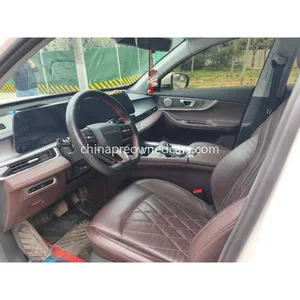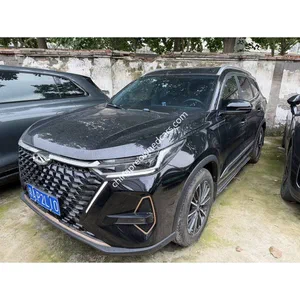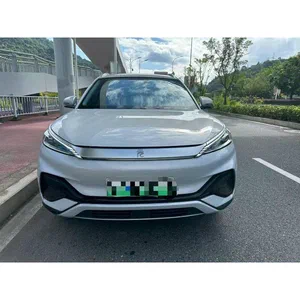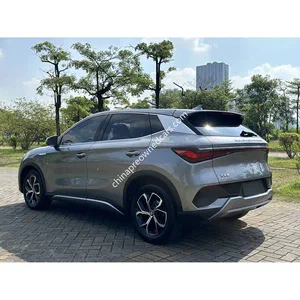
Buying a used electric car for export from China requires more than checking the odometer and exterior condition. Overseas buyers should verify the vehicle’s service history, accident record, battery health, VIN authenticity and export documents before making payment. For African buyers, ground clearance, air-conditioning performance and access to replacement parts also deserve close attention.
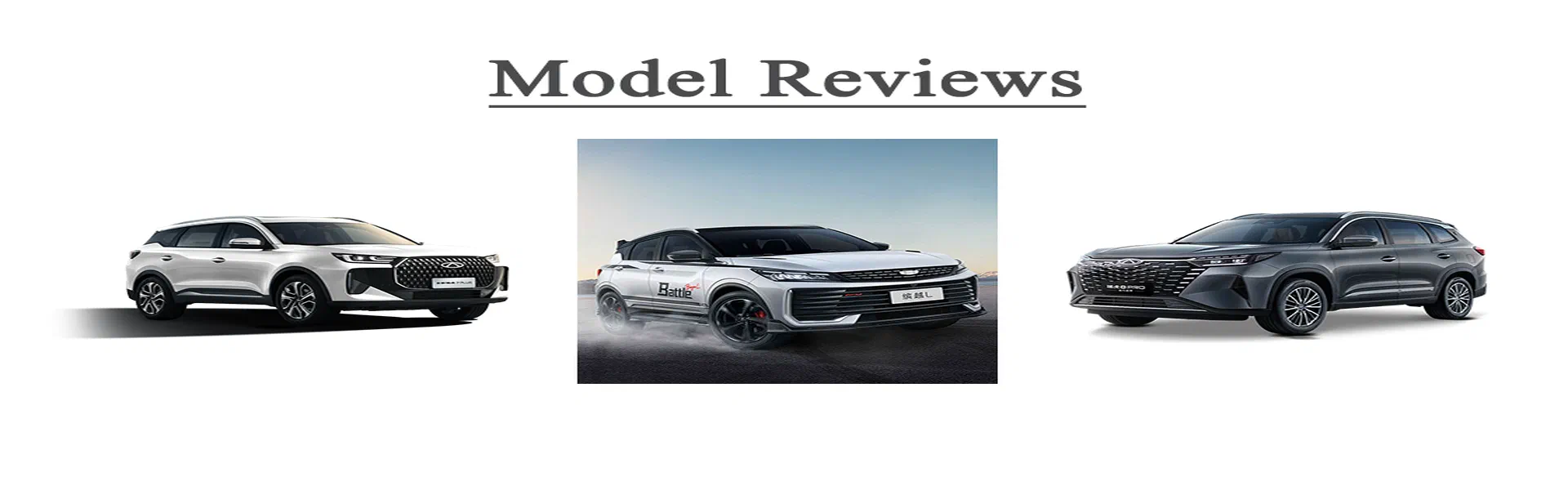
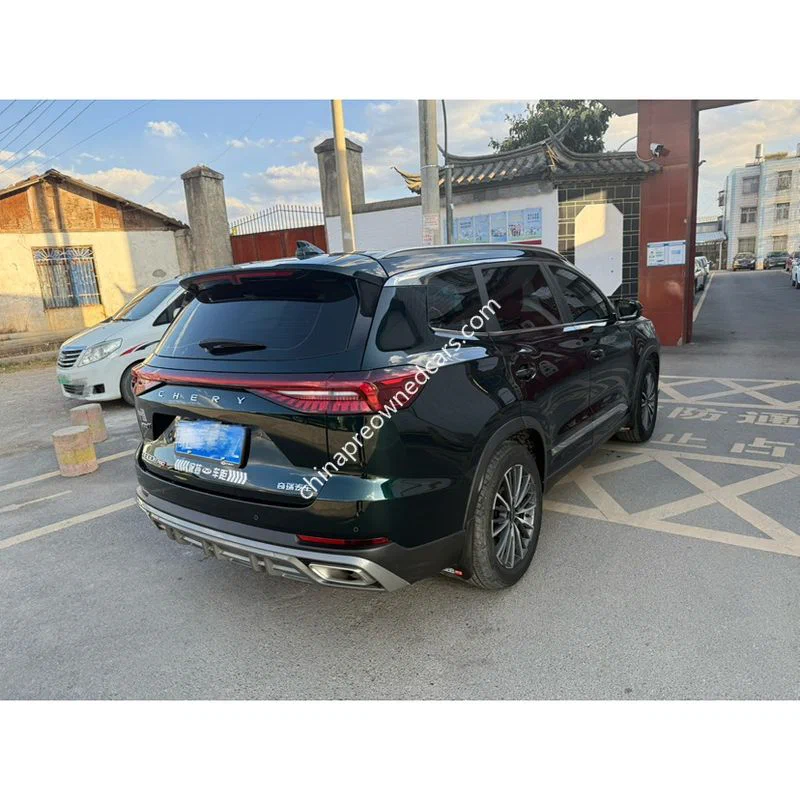
The BYD Atto 3 is a practical compact electric SUV to assess for urban and intercity use in Ghana, Nigeria, Kenya, Uganda and Tanzania. Its battery condition should be checked through a diagnostic report showing state of health (SOH), charging performance and any recorded battery faults. A dashboard range estimate alone is not sufficient. Inspect the underbody and battery enclosure for impact damage, particularly if the vehicle has been driven on uneven roads. Ground clearance is another consideration: the Atto 3 is better suited to paved roads and maintained routes than severe off-road conditions. For buyers considering for sale used electric cars, the Chery Tiggo 7 Plus and Chery Tiggo 8 Pro offer petrol-powered alternatives, while the Geely Coolray and Haval H6 provide additional SUV options. Their inspection should cover engine operation, transmission response, suspension noise, cooling systems and air-conditioning output. In hot climates, test the air-conditioning after the vehicle has been running for several minutes. Check for inconsistent cooling, unusual compressor noise and coolant leaks. Ground clearance and suspension condition matter across all five models, especially where rough roads and frequent potholes are common.

Mileage must be compared with service records, inspection findings and available vehicle history rather than treated as proof of condition. Request dated maintenance invoices, previous inspection records and details of major repairs. Examine body panels for uneven gaps, repainting and signs of structural repair. A VIN check should establish that the identification number on the vehicle matches its registration and export paperwork. For electric vehicles, request battery diagnostic results and charging-system checks; for combustion vehicles, inspect the engine, transmission and cooling system for faults. An independent pre-shipment inspection report should record exterior damage, interior wear, tyre condition, odometer reading, mechanical findings and relevant electronic fault codes. Exporters should also explain their vehicle condition grading criteria and provide recent photographs or inspection videos. Parts availability requires separate research. Buyers should confirm whether local workshops can source components for the selected Chinese brand, including suspension parts, sensors, lighting and EV-specific components. A model with limited local parts support may involve longer repair times. Do not assume that every Chinese-brand model has an established dealer network in the destination market.
Before payment, request the exporter’s business registration details, a written purchase agreement, vehicle identification information and a clear description of the inspection process. The export license, customs declaration records and relevant clearance paperwork should be addressed as part of the export transaction. Payment terms commonly involve an agreed deposit followed by the remaining balance at a documented stage before shipment. The contract should specify the vehicle, condition disclosures, payment milestones, shipping method and responsibility for additional charges. Avoid transferring funds to an unrelated personal account without a verifiable contractual explanation. China-origin used vehicles require export licensing, customs declaration and pre-shipment inspection before shipment. RoRo shipping is generally suitable for vehicles that can be driven or handled as rolling cargo, while container shipping offers enclosed transport and may suit buyers shipping multiple vehicles or requiring additional protection. Confirm the destination country’s current rules on vehicle age, emissions, left-hand-drive compatibility and roadworthiness before purchase. Most Chinese domestic vehicles are left-hand drive, which can restrict their suitability in right-hand-drive markets. For EV shipments, battery condition and applicable battery transport requirements must also be checked with the shipping provider. Delays commonly arise from incomplete documents, inspection failures, mismatched VIN records or destination import restrictions. Written confirmation of shipping arrangements and regular document updates help reduce avoidable disputes.
FAQ
Q: What battery information should buyers request when importing a used electric SUV from China?
A: Request a battery state-of-health report, diagnostic fault records, charging-system results and details of any battery repairs. Compare the reported condition with the vehicle’s mileage and available service history.
Q: Which documents should an exporter provide before shipment?
A: Buyers should request the vehicle inspection report, purchase agreement, export license information, customs declaration and relevant shipping documents. The required destination import documents should also be confirmed with local customs authorities.