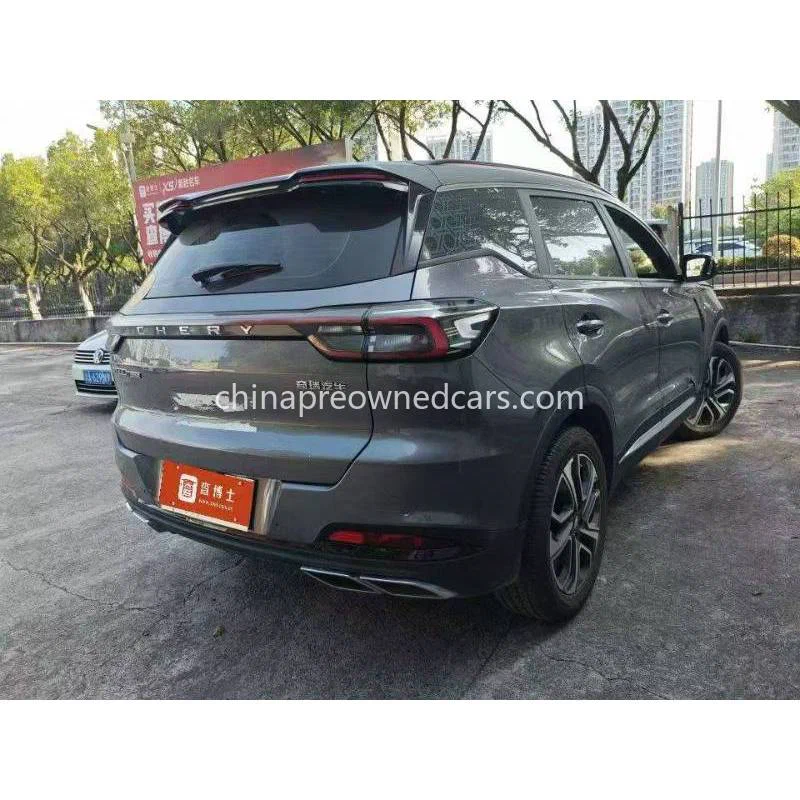
Chinese used EV and hybrid SUV exports require more than checking appearance and mileage. This article reviews battery and charging checks for models such as BYD Atto 3 and other Chinese SUVs prepared for overseas markets. It covers technical verification, shipping requirements, and practical points for buyers planning to buy a preowned car for export.
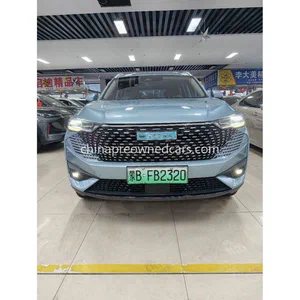
Battery condition is the main factor when evaluating a used electric vehicle. A buyer should request a battery health assessment showing state of health, charging history where available, fault records, and inspection results. BYD Atto 3 is often considered for export because its electric powertrain suits urban driving needs, but battery capacity loss must still be checked before resale planning. For African roads, range expectations should consider heat, road conditions, air conditioning use, and charging availability rather than relying only on factory figures.
Charging compatibility affects whether an EV can operate in the destination market. Chinese vehicles commonly use GB/T charging connectors, while many overseas charging networks use CCS or CHAdeMO systems. Compatibility depends on the vehicle specification and local infrastructure in countries such as Ghana, Nigeria, Kenya, Uganda, and Tanzania. Importers should confirm connector type, available charging stations, and whether adapters or local charging equipment are practical before shipment.
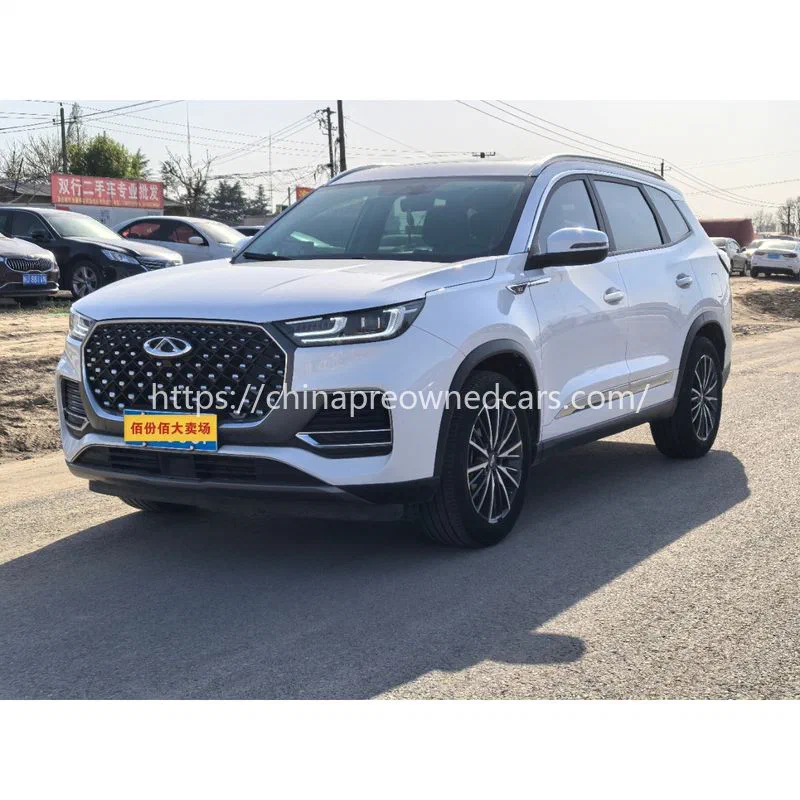
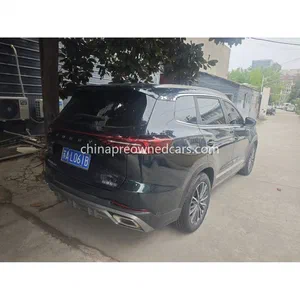
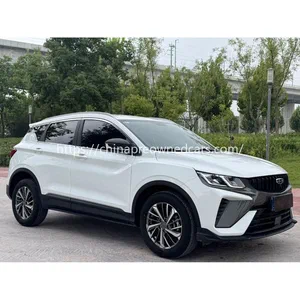
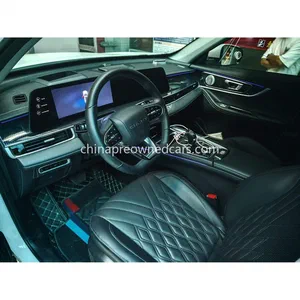
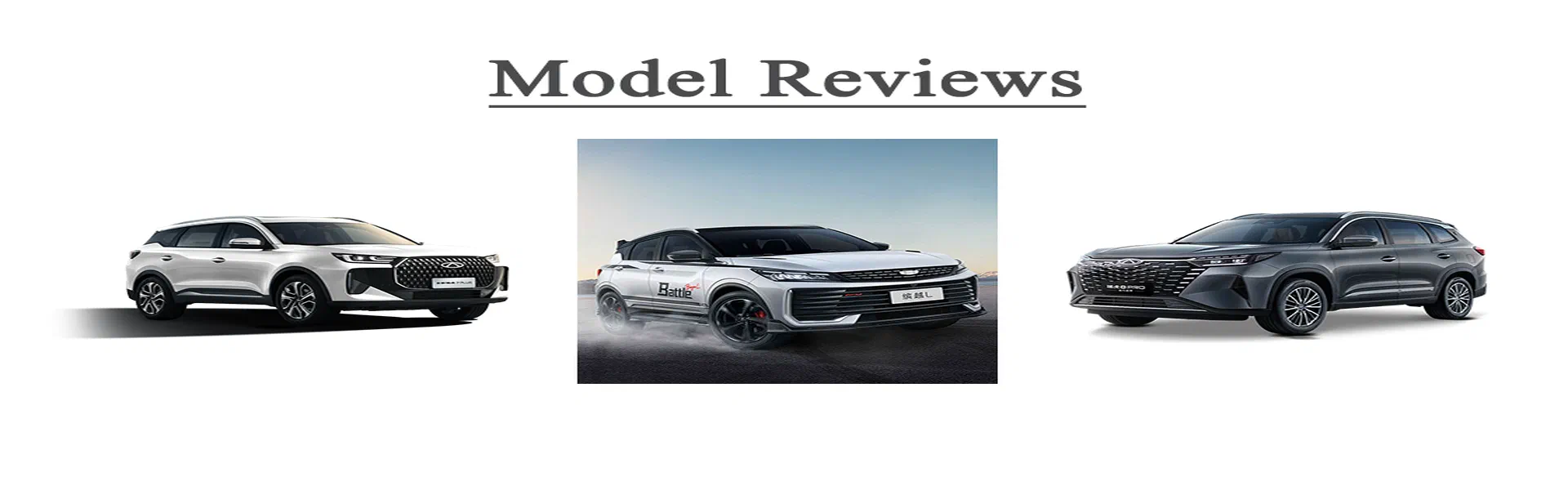
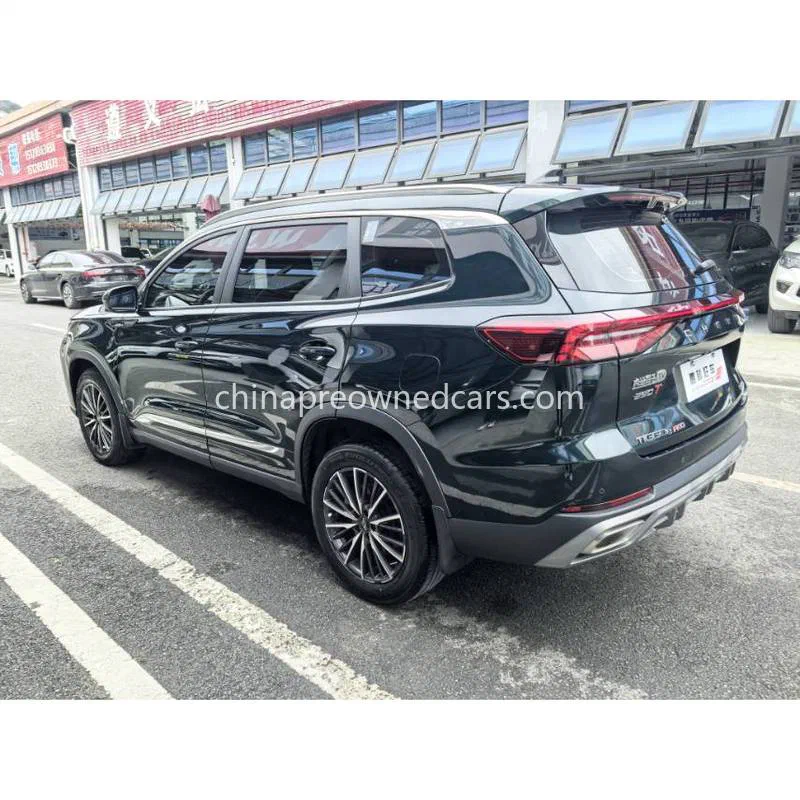
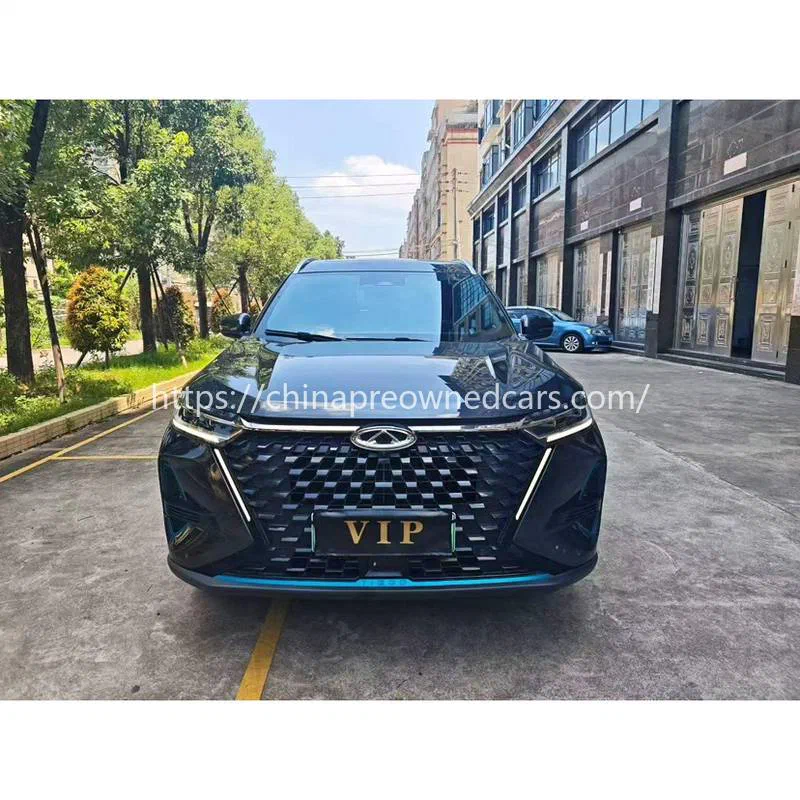
For SUV exports, road conditions and climate are important parts of the vehicle review. Chery Tiggo 7 Plus, Chery Tiggo 8 Pro, Geely Coolray, and Haval H6 are evaluated by buyers for factors such as ride height, cabin cooling performance, maintenance access, and parts supply. Rough roads, high temperatures, and long-distance travel can increase demands on suspension, cooling systems, tires, and electrical components. Inspection should include battery cooling systems, charging ports, air conditioning performance, underbody condition, and any warning messages.
Battery transport also requires attention during export preparation. Used EV batteries may fall under dangerous goods shipping rules, including UN 3480 requirements for lithium-ion batteries, depending on the shipment condition and transport method. Exporters need proper documentation, customs declaration, pre-shipment inspection, and export licensing procedures before vehicles leave China. Vehicles may be shipped by RoRo or loaded into containers, with the final choice depending on logistics arrangements, port conditions, and destination requirements.
A professional sourcing process includes checking VIN records, maintenance history, inspection reports, and export documents before payment. Destination regulations can differ on vehicle age limits, emission standards, drive side, and roadworthiness requirements, so importers should confirm current rules with local authorities. Most Chinese domestic vehicles are left-hand drive, which makes drive-side compatibility an important check for markets with different road systems. After-sales support should also be discussed, including access to replacement parts, technical information, and local repair capability.

FAQ
Q: What battery information should be checked before exporting a used EV? A: Buyers should check battery state of health, charging history, fault records, and inspection results. Battery condition affects usable range and future resale value.
Q: Can Chinese used EVs be shipped to African markets? A: Yes, but compatibility with local charging systems, import regulations, shipping requirements, and vehicle specifications must be confirmed before export.