Buying a used SUV from a Chinese second hand dealer for export requires more than checking the asking price and exterior condition. Overseas buyers should verify the vehicle’s mechanical condition, mileage, service records, ownership history and export documents before arranging payment. For African buyers, ground clearance, cooling performance, parts availability and destination-country import rules also affect the suitability of each model.
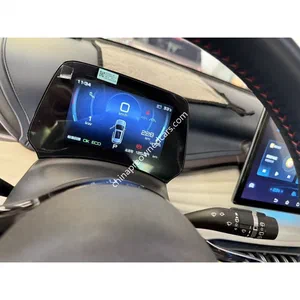
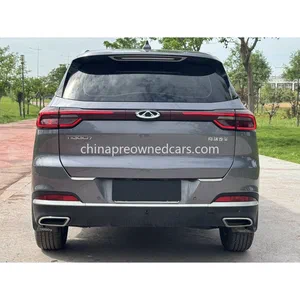
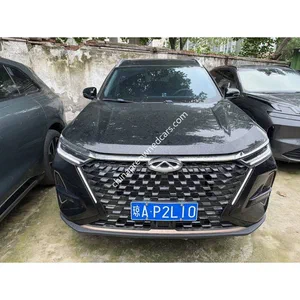
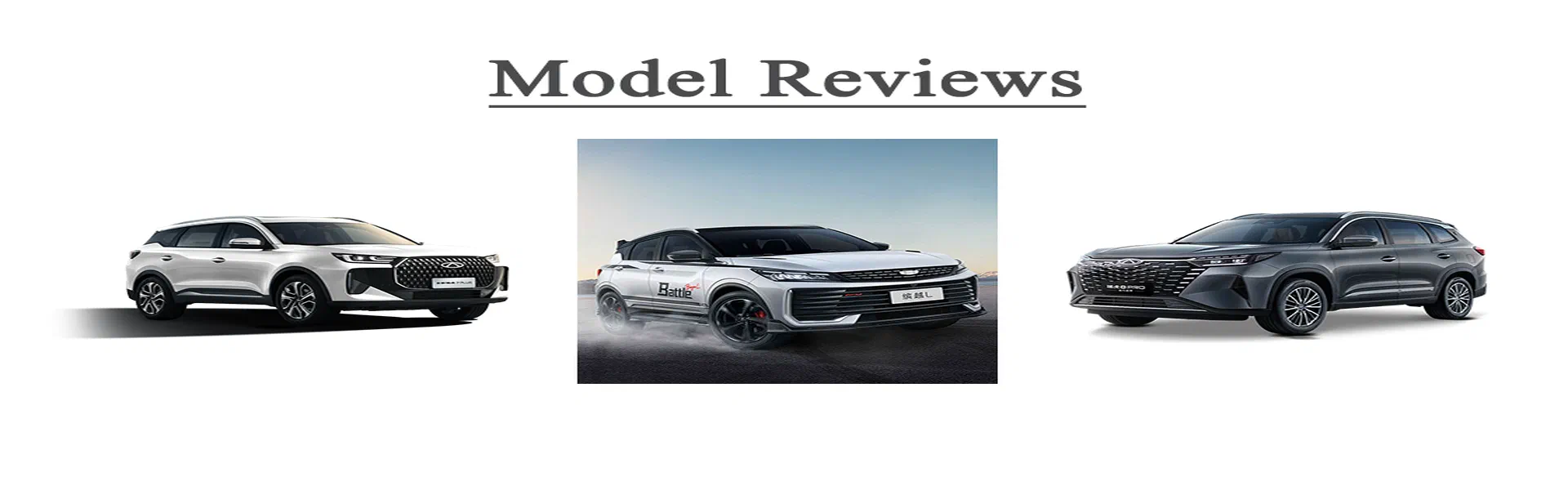
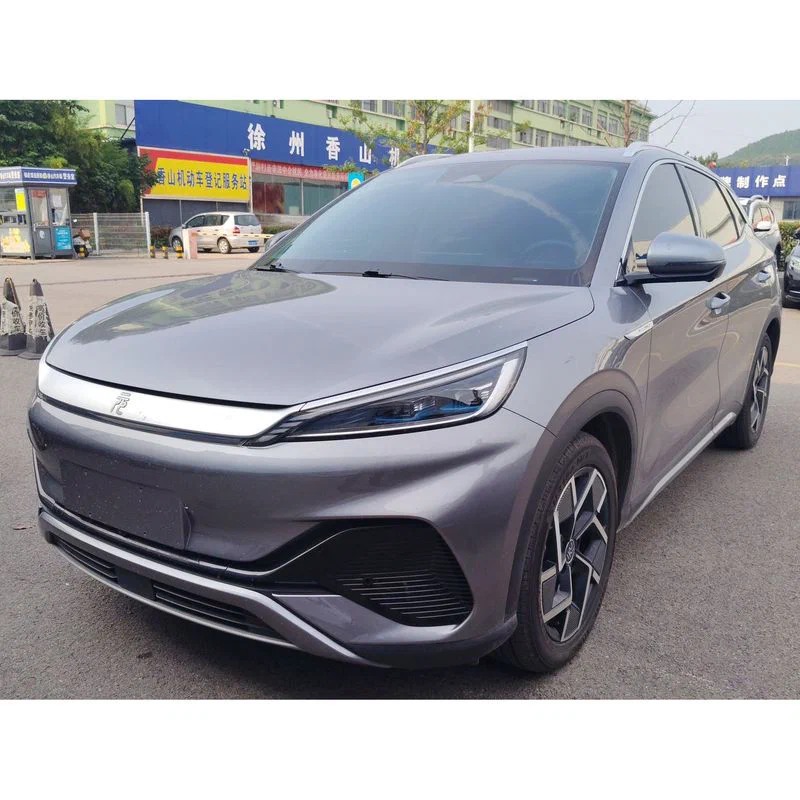
The BYD Atto 3, Chery Tiggo 7 Plus, Chery Tiggo 8 Pro, Geely Coolray and Haval H6 serve different requirements. The Atto 3 is an electric SUV, so battery state of health (SOH), charging performance and thermal management deserve particular attention. Request a recent battery diagnostic report and check whether the displayed range is consistent with the battery’s condition. For the Chery and Haval models, inspect the cooling system, transmission operation, suspension and engine for leaks or unusual noise. The Geely Coolray is a smaller SUV, making its underbody clearance worth checking before purchase for routes with uneven surfaces. Across all five models, inspect the air conditioning at operating temperature. This matters in hot climates such as Ghana, Nigeria, Kenya, Uganda and Tanzania. Ground clearance should be assessed against the actual roads and expected loading conditions, rather than relying on the SUV body style alone.
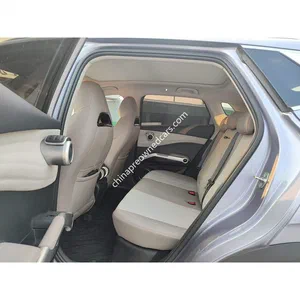
Mileage is only one part of a vehicle assessment. Ask for service records showing dates, recorded odometer readings and major repairs, then compare them with the current dashboard reading and available vehicle history. A low displayed mileage does not establish good condition. Check the VIN on the vehicle body, identification plates and registration documents for consistency. Examine panel gaps, paint differences, chassis components and airbag warning indicators for signs of previous accident repairs. Request photographs of the underbody, engine bay, interior and tyres, alongside a detailed pre-shipment inspection report. For an electric vehicle, the report should cover battery health, charging operation and visible damage to the battery enclosure. Buyers should also ask which components have been replaced and whether replacement parts are readily obtainable in the destination market. Availability varies by model and country, so local distributors and independent repair specialists should be consulted before committing to a purchase.

Exporter credibility needs the same scrutiny as vehicle condition. A professional supplier should explain the sourcing process, provide identifiable business details and clarify who is responsible for export licensing, customs declaration, inspection and shipping arrangements. Request the export license details, commercial invoice, vehicle identification information, inspection report and relevant customs clearance paperwork as the transaction progresses. The final shipping documents should identify the vehicle and destination port consistently. Payment terms should be documented before funds are transferred. International vehicle transactions commonly use a deposit followed by a balance payment at an agreed stage, such as after inspection and before shipment. The contract should specify the inspection scope, payment milestones, cancellation conditions and responsibility for unexpected costs. Be cautious if an exporter refuses independent verification, changes beneficiary bank details without explanation or demands full payment without supporting documents. Common problems include undisclosed accident damage, odometer inconsistencies, missing paperwork and shipping delays caused by incomplete customs documentation. Shipping may use RoRo or container transport, depending on the vehicle and route. Buyers should also confirm the current import rules in their destination country, including vehicle age restrictions, emissions requirements, roadworthiness standards and left-hand-drive acceptance. Most Chinese domestic vehicles are left-hand drive, which must be checked against local regulations before purchase.
FAQ
Q: What documents should buyers request from a Chinese used vehicle exporter?
A: Request the inspection report, VIN details, export license information, commercial invoice and relevant customs clearance and shipping documents. Confirm that the vehicle details match across the paperwork.
Q: Which checks are most important when buying a used electric SUV?
A: Battery state of health, charging operation, battery enclosure condition and diagnostic records are essential. Buyers should also confirm charging compatibility and battery-related import and transport requirements.