A 2015 used car requires more scrutiny when it is being purchased for export than when it is bought for local use. Overseas buyers must assess mechanical condition, mileage credibility, accident history and documentation before committing funds. For African importers considering Chinese vehicles, the inspection should also account for road conditions, climate and the availability of replacement parts after arrival.
Mileage is a starting point, not proof of condition. Request the recorded odometer reading, service invoices and maintenance history, then compare them with visible wear on the steering wheel, pedals, seats and suspension components. A large gap between recorded mileage and physical condition deserves further investigation. The VIN should match across the vehicle, registration documents and export paperwork. Buyers should also request an accident-history check and photographs of the chassis, underbody, engine compartment and repaired panels. For SUVs such as the Haval H6, Chery Tiggo 7 Plus and Tiggo 8 Pro, inspect suspension bushings, shock absorbers, steering components and cooling systems. Ground clearance matters on uneven rural roads in Ghana, Nigeria, Kenya, Uganda and Tanzania, but actual clearance depends on the model, tyres and vehicle condition. Air conditioning must also be tested under sustained operation, particularly for vehicles destined for hot climates. A model’s reputation is not a substitute for checking the individual unit.
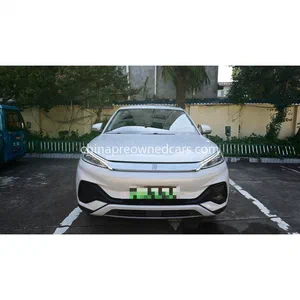
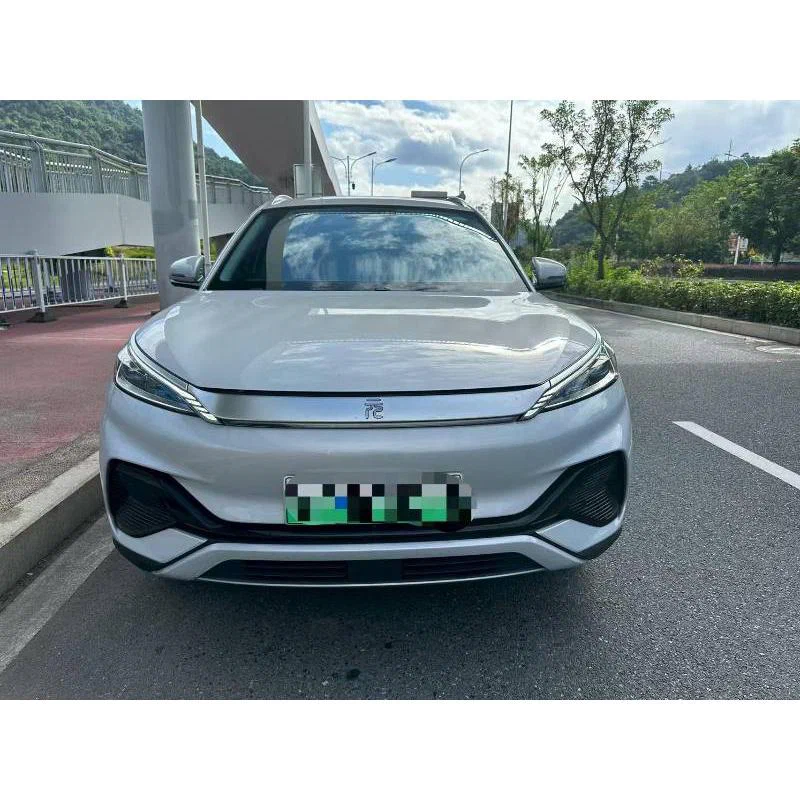
Electric vehicles need additional checks. For a BYD Atto 3, request a battery state-of-health assessment, diagnostic scan and available charging records. Battery capacity, cell imbalance, charging faults and warning codes should be reviewed before purchase. Buyers should also confirm charging compatibility and local charging infrastructure. Used EVs require particular attention to battery transport arrangements and shipping documentation. For combustion vehicles and hybrids, inspect the transmission, engine, cooling system and electrical components. Parts availability should be checked in the destination market rather than assumed from the vehicle’s popularity in China. Some Chinese-brand components may require advance ordering. Before purchasing 2015 used cars or newer alternatives, compare the destination country’s current vehicle-age restrictions, emissions requirements, roadworthiness rules and left-hand-drive acceptance. Most Chinese domestic-market vehicles are left-hand drive, which can limit their suitability for certain import markets.

The exporter should provide a written quotation, vehicle specification, inspection report, VIN details and clear payment conditions. Ask for the company’s export license and establish who is responsible for customs declaration, pre-shipment inspection, port charges and shipping arrangements. China’s used vehicle exports require appropriate export licensing, customs clearance and pre-shipment inspection. Request copies of relevant customs clearance paperwork and shipping documents as they become available. RoRo shipping is generally suitable for operational vehicles, while container shipping offers additional protection and may suit higher-value units or consolidated cargo. Payment commonly involves an initial deposit followed by a balance under agreed contractual milestones. Verify the company’s legal identity, business address, bank beneficiary and previous export experience before transferring money. Avoid unexplained changes to payment accounts. Common problems include undisclosed repairs, mileage discrepancies, incomplete documents, unexpected port charges and delays caused by destination-country import restrictions. Confirm the shipping schedule, responsibility for additional costs and after-sales communication arrangements in writing. An inspection completed before shipment is more useful than a dispute raised after the vehicle reaches its destination port.
FAQ
Q: Is a 2015 used car suitable for import into African countries?
A: It depends on the destination country’s current vehicle-age limits, emissions rules, drive-side requirements and inspection standards. Importers should confirm the latest regulations before purchasing.
Q: What documents should an overseas buyer request before shipment?
A: Request the vehicle inspection report, VIN details, export license information, commercial invoice and applicable customs clearance and shipping documents. For electric vehicles, also request a battery health assessment.