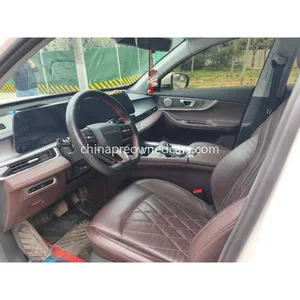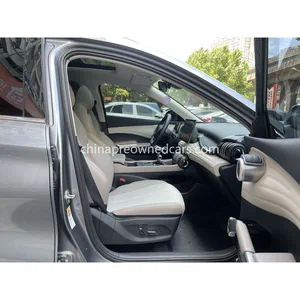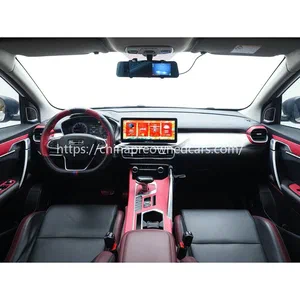
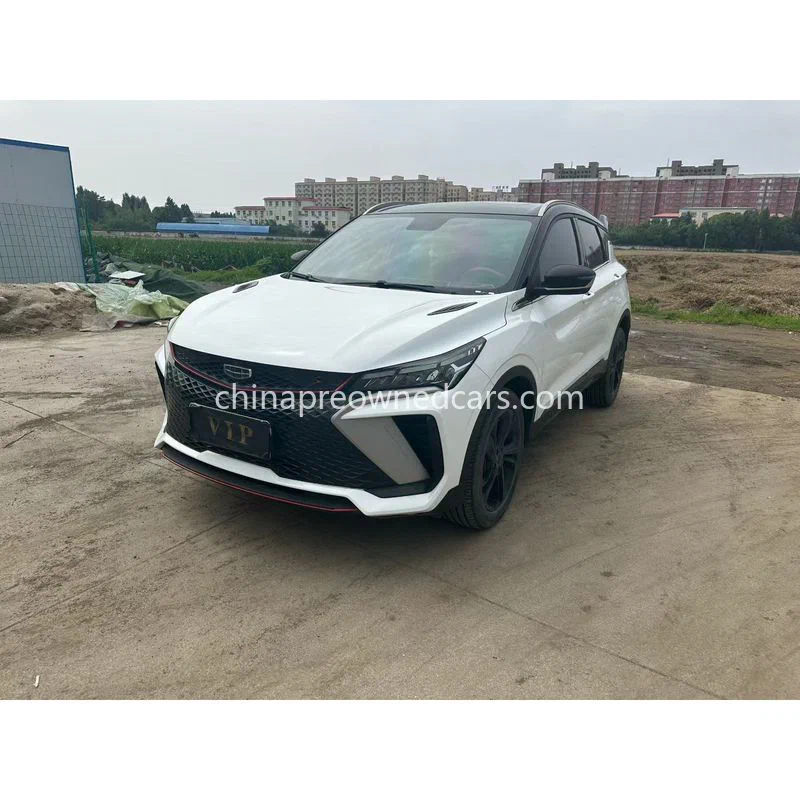
Nigeria’s road conditions and tropical climate make ground clearance, cooling performance, suspension condition and access to replacement parts important factors when choosing a used SUV. For importers comparing Chinese models, the BYD Atto 3, Chery Tiggo 7 Plus, Chery Tiggo 8 Pro, Geely Coolray and Haval H6 each present different operating costs and practical limitations. The right choice depends on the route profile, local repair capabilities, import eligibility and total landed cost rather than the purchase price alone.
Matching Chinese SUVs to Nigerian Roads
Nigerian driving conditions vary considerably. Urban roads in Lagos and Abuja can involve heavy traffic, frequent braking and extended periods of idling, while rural routes may include potholes, uneven shoulders, standing water and unpaved sections. An SUV’s body shape does not guarantee adequate ground clearance or suspension strength for these conditions. Buyers should check the actual clearance for the specific model year and trim, inspect the underside for impact damage, and examine suspension bushes, shock absorbers, steering joints and wheel bearings before committing to a shipment.
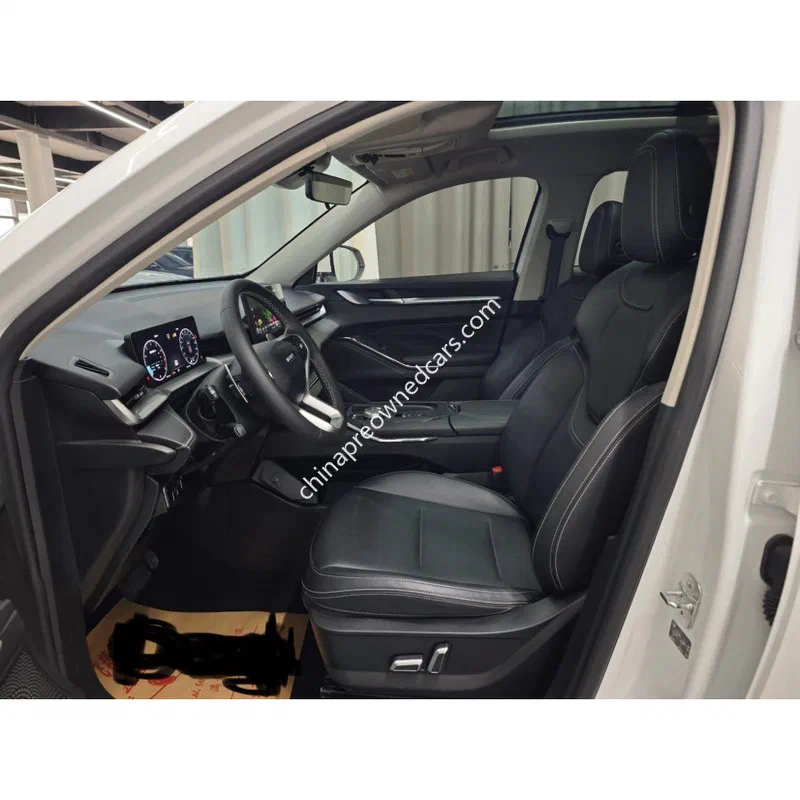
The Haval H6 is worth assessing for buyers who want a family-oriented SUV with a substantial cabin and everyday road usability. The Chery Tiggo 8 Pro offers a larger vehicle format, which may suit passenger transport or family use but requires attention to tyre costs, suspension wear and manoeuvrability in crowded areas. The Chery Tiggo 7 Plus occupies a middle ground, while the Geely Coolray is a smaller option for buyers prioritising urban driving. Actual equipment varies by model year and trim, so specification sheets should be matched to the vehicle identification number (VIN). None of these models should be selected solely on advertised ground clearance or exterior appearance.
Heat, Powertrains and Maintenance
High ambient temperatures place sustained demands on air conditioning, engine cooling and electrical systems. On a used petrol SUV, inspection should cover the radiator, coolant hoses, water pump, thermostat, cooling fans and evidence of previous overheating. Test the air conditioning at idle as well as during a road test, and check whether the engine temperature remains stable in traffic. Weak cooling can indicate anything from a simple maintenance issue to a costly underlying fault. Cabin filters, condenser condition and refrigerant performance also deserve attention in Nigeria’s hot, dusty conditions.
The BYD Atto 3 requires a different assessment because it is a battery-electric SUV. It avoids petrol consumption and engine oil changes, but its operating economics depend on charging access, electricity costs, battery condition and the availability of qualified EV technicians. Request a battery state-of-health report where available, check charging operation, inspect the high-voltage system for damage, and verify the charging connector and onboard equipment. A battery percentage displayed on the dashboard is not a substitute for a diagnostic assessment. Buyers should also confirm that suitable charging equipment and electrical installation are available at the intended operating location. For buyers without dependable charging access, a petrol-powered model may be the more practical choice.
Reliability must be judged at vehicle level. These models have different powertrains, electronic systems and maintenance requirements, and a broad reputation for a brand cannot establish the condition of an individual used vehicle. Inspect for warning lights, stored diagnostic fault codes, fluid leaks, abnormal transmission behaviour, uneven tyre wear and signs of accident repair. For turbocharged petrol vehicles, check boost delivery, oil condition and any unusual smoke or noises. Ask for available service records and confirm whether previous repairs used compatible parts. A clean exterior is useful, but it tells little about mechanical condition.

Import Costs, Parts and Compliance
Budget planning should begin with the full landed cost, not a search for used cars under $5000. A low purchase price can be offset by inland transport in China, export handling, freight, insurance where applicable, destination duties and taxes, port charges, customs clearance and local registration. These expenses depend on the vehicle, shipment arrangement and current destination rules. Obtain a written cost breakdown and establish which charges are included in the exporter’s quotation and which remain payable by the importer.
Nigeria’s import requirements must be confirmed before payment. Vehicle eligibility can depend on age, emissions, roadworthiness and the documentation presented at clearance; applicable rules and charges may change. Buyers should verify the current requirements with Nigerian customs authorities or a qualified clearing agent, including any restrictions that apply to used vehicles and the intended import route. Most vehicles sourced from China are left-hand drive (LHD). Nigeria uses left-hand traffic, so a left-hand-drive vehicle raises a major suitability and compliance concern and should not be assumed eligible for ordinary road registration. Confirm the current legal position before sourcing or shipping any model. The same check is essential for Ghana, Kenya, Uganda and Tanzania, where local requirements and road-use conventions differ.
Parts availability also affects the real cost of ownership. Before selecting a Haval H6, Geely Coolray or Chery SUV, ask local workshops and parts suppliers whether they can obtain the correct filters, brake components, suspension parts, sensors and model-specific electronic components. For the BYD Atto 3, confirm access to high-voltage diagnostic equipment and technicians trained to service the battery and drive system. Common service items may be manageable while specialised components take longer to source. Obtain the VIN, engine or motor details, trim information and clear photographs of relevant components so a local supplier can check compatibility before the vehicle leaves China.
Inspection and Shipment Planning
A practical export transaction starts with a vehicle-specific inspection. The report should identify the VIN, odometer reading, visible body damage, paint repairs, tyre condition, interior wear, dashboard warnings and results of mechanical checks. Where possible, request a cold start, a road-test record and diagnostic scans. For an EV, add battery health information and charging-system checks. Mileage and service history should be independently reviewed where records are available; neither should be treated as guaranteed simply because it appears in a listing.
China’s used-vehicle export process involves the required export licensing, customs declaration, documentation and pre-shipment inspection. Vehicles may travel by roll-on/roll-off (RoRo) vessel or in a shipping container. RoRo can suit vehicles accepted for that service, while container shipping may offer different loading and handling arrangements. The appropriate method depends on the vehicle, route, carrier availability and total quoted cost. Confirm the bill of lading details, commercial invoice, vehicle identification, inspection documents and any destination-specific paperwork before departure. Shipping schedules and port processing times vary, so avoid treating an indicative transit estimate as a guaranteed delivery date.

Payment terms should be documented before funds are transferred. The agreement should specify the vehicle identity, inspection scope, included export services, payment milestones, responsibility for freight and port charges, and the process for resolving discrepancies between the listing and inspection report. Keep copies of all transaction and shipping documents. After arrival, the importer should arrange customs clearance, local compliance checks and registration through the relevant authorities. A clear agreement on after-sales assistance is useful, particularly when technical support or replacement parts may need to be coordinated across borders.
FAQ
Q: Which Chinese SUV is most suitable for Nigerian roads?
A: The Haval H6, Chery Tiggo 7 Plus, Chery Tiggo 8 Pro and Geely Coolray should be compared by actual ground clearance, suspension condition, cooling performance and local parts access. The BYD Atto 3 is worth considering where charging and EV servicing are practical, but import eligibility must be checked first.
Q: What should a Nigerian importer verify before shipping a used SUV from China?
A: Confirm current import and road-use rules, including the acceptability of left-hand-drive vehicles, and calculate the full landed cost. Obtain a vehicle-specific inspection report, verify available history and VIN details, and check that the required export and customs documents can be supplied.