A used SUV should be assessed on more than its odometer reading or exterior appearance. For buyers sourcing Chinese vehicles for Ghana, Nigeria, Kenya, Uganda and Tanzania, condition grading needs to cover mechanical health, service records, structural integrity and suitability for local road conditions. The distinction between a dealer-graded vehicle and a properly documented inspection matters when purchasing remotely.
How Used Chinese SUVs Are Graded
Vehicle condition grading usually considers four areas: cosmetic condition, mechanical performance, mileage and maintenance history. These categories provide a useful starting point, but grading systems are not universal. An exporter may use terms such as Grade A, Grade B or export-grade, while another supplier may apply a different standard. Buyers should request the actual grading criteria rather than relying on the label alone.
Cosmetic grading examines the body panels, paintwork, glass, interior trim, seats and wheels. Minor scratches, stone chips and worn upholstery are common in pre-owned vehicles. More serious concerns include uneven panel gaps, inconsistent paint thickness, corrosion around structural joints and signs of previous accident repairs. Mechanical grading is separate. It covers the engine or electric drive system, transmission, suspension, steering, brakes, cooling system and electrical equipment. A vehicle with clean upholstery can still have significant mechanical defects.
Mileage should be evaluated alongside the vehicle’s age and service history. Lower mileage does not automatically mean better condition. A vehicle used mainly for short urban journeys may have experienced frequent cold starts, while a higher-mileage vehicle with documented maintenance may be in better mechanical shape. Buyers should compare the odometer reading with available service invoices, inspection records and electronic control unit data. Unexplained gaps or inconsistent readings require further investigation.
What a Pre-Export Inspection Can Establish
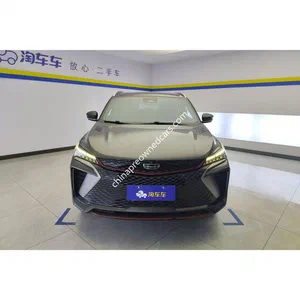
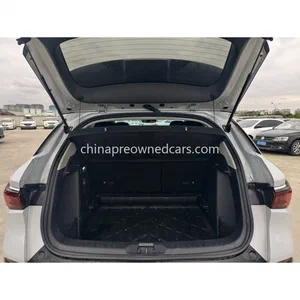
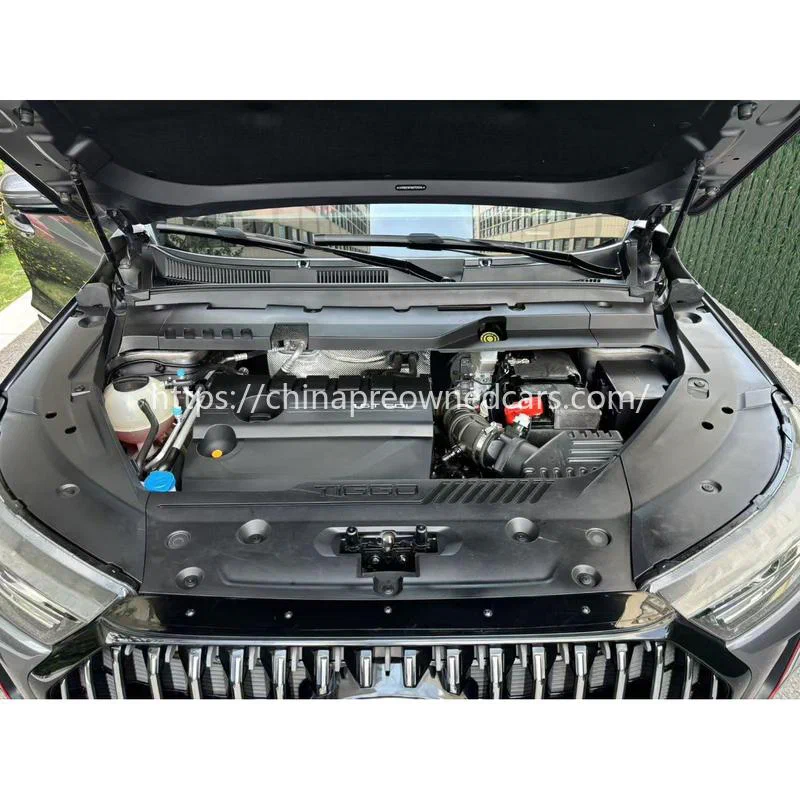
A proper pre-shipment inspection should produce evidence that can be reviewed before payment is completed or shipping is arranged. The inspection normally begins with VIN verification and a comparison of the vehicle’s registration and ownership documents. Inspectors should examine the body structure, chassis, paintwork, tyres, lights, windows, interior controls and visible signs of accident damage. Photographs should cover the exterior from multiple angles, the cabin, engine compartment where applicable, identification markings and the odometer.
Mechanical checks require more than starting the vehicle. For petrol models such as the Chery Tiggo 7 Plus, Chery Tiggo 8 Pro, Geely Coolray and Haval H6, inspection should include engine noise, exhaust behaviour, fluid leaks, transmission response, cooling performance and diagnostic fault codes. Suspension and steering deserve particular attention because worn bushings, damaged dampers and uneven tyre wear can indicate prolonged use on poor road surfaces. A road test, where permitted, can help identify braking vibration, transmission hesitation and abnormal handling.
The BYD Atto 3 requires additional electric vehicle checks. Buyers should request a battery state-of-health assessment, available battery diagnostic information and a report of charging-system operation. The inspection should also examine the high-voltage system for recorded faults, visible damage to underbody protection, charging-port condition and cooling-system operation. A dashboard battery percentage is not a substitute for a measured battery health assessment. Nor does a standard roadworthiness inspection establish the remaining usable battery capacity under all operating conditions.

An inspection has limits. It cannot establish every hidden defect, predict future component failure or prove that a vehicle has never been involved in an accident. Intermittent electronic faults may not appear during a short test. Internal engine wear, battery degradation and previous repairs can also require specialist testing. Buyers should distinguish between defects observed during inspection and matters that were not tested or could not be confirmed.
Export-Grade Condition and Suitability for African Roads
The term export-grade generally describes a vehicle selected for overseas sale after checks against an exporter’s purchasing criteria. Dealer-grade may refer to a vehicle prepared for resale through a dealership. Neither term automatically means manufacturer-certified, accident-free or mechanically faultless. A certified pre owned cars dealership should be able to explain who performed the inspection, which components were tested, what defects were identified and whether any repairs were completed. The inspection report should support the description.
Road suitability is another part of condition assessment. The BYD Atto 3 offers electric operation and a compact SUV body, but buyers should consider ground clearance, underbody protection and the availability of charging facilities along intended routes. Deep potholes, rough access roads and uneven surfaces increase the importance of checking the suspension and underside before purchase. Battery protection deserves particular attention because damage to an EV’s underbody can have consequences beyond ordinary cosmetic damage.
The Chery Tiggo 7 Plus and Geely Coolray are compact SUV options, while the Chery Tiggo 8 Pro provides a larger body and additional cabin space. The Haval H6 occupies the family SUV category. Buyers should not assume that a larger vehicle automatically performs better on rough roads. Ground clearance, tyre specification, suspension condition and approach and departure angles all affect practical use. Exact specifications also vary by model year and trim, so the vehicle identification details should be matched against the manufacturer’s specifications.
Climate control matters in Ghana, Nigeria, Kenya, Uganda and Tanzania, where high temperatures and humidity can place sustained demands on cabin cooling systems. During inspection, the air conditioning should be tested after the vehicle has warmed up, with attention to cooling consistency, fan speeds, compressor noise and unusual odours. Cooling-system performance should also be checked under operating conditions. For vehicles with electronic climate controls, every setting and sensor-dependent function should be tested. A system that cools briefly during a workshop inspection may still have an intermittent fault.
Parts availability deserves equal consideration. Common service components such as filters, brake pads, suspension bushings and tyres may be easier to source than model-specific electronic modules, body panels or EV battery components. Buyers should check local dealer and independent workshop support before selecting a vehicle. For the BYD Atto 3, access to qualified EV technicians and compatible diagnostic equipment is especially important. For the petrol SUVs, the availability of engine, transmission and electronic components should be confirmed in the intended destination market.
A practical purchase assessment should combine the inspection report with documentary checks. The buyer should request the VIN, available service history, diagnostic results, odometer evidence, photographs of identified defects and a written list of repairs. Any discrepancy between the advertised condition and the inspection findings should be resolved before the vehicle is approved for shipment. Payment terms should also specify the inspection stage, outstanding balance and responsibility for any agreed repairs. This creates a clearer record if a dispute arises later.
For export to African destinations, condition approval is only one part of the transaction. China-side export licensing, customs declaration, required pre-shipment inspection and shipping documentation must be arranged before dispatch. Vehicles may travel by RoRo or in containers, depending on the vehicle, route and shipping arrangements. Ghana, Nigeria, Kenya, Uganda and Tanzania each apply their own import requirements, including rules that may concern vehicle age, emissions, roadworthiness and steering configuration. Most Chinese domestic vehicles are left-hand drive, so buyers should confirm whether that configuration is accepted for their intended registration. Used EV shipments also require attention to battery transport documentation and carrier requirements. The final inspection report should be retained alongside the export documents so that the vehicle’s recorded condition at the point of dispatch is clear.
FAQ
Q: Does export-grade mean a used car is accident-free?
A: No. Export-grade is generally an exporter’s condition classification, not proof of an accident-free history. Buyers should request structural inspection findings and available repair records.
Q: What should buyers check before purchasing a used BYD Atto 3?
A: Request a battery state-of-health report, charging-system test, diagnostic scan and underbody inspection. Also confirm access to EV servicing and charging facilities in the destination market.
Q: Can a pre-shipment inspection guarantee the vehicle’s condition after arrival?
A: No. An inspection records observable condition at a particular time and cannot rule out every hidden or developing fault. Buyers should retain dated photographs, inspection findings and shipping documentation for reference.