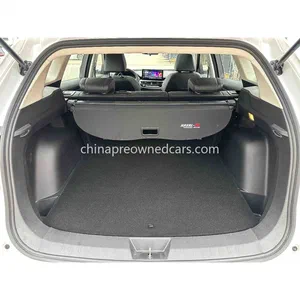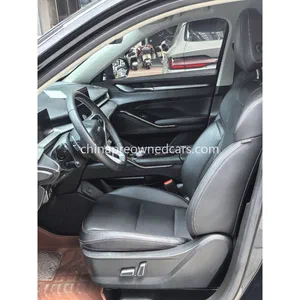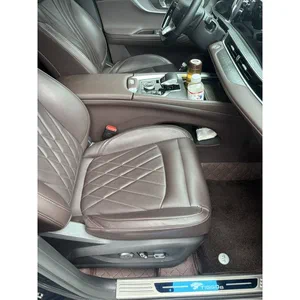

Assessing the mileage and condition of used vehicles is crucial for any business involved in exporting pre-owned cars. Buyers need to understand how vehicles are graded based on various criteria, such as cosmetic condition, mechanical health, mileage bands, and service history. This knowledge can help ensure that the vehicles purchased will meet the demands of their intended markets, particularly in regions like Africa, where road conditions and local preferences play a significant role in vehicle suitability.
Vehicle Condition Grading
Used vehicles typically undergo a grading system that reflects their condition. This includes factors such as exterior and interior aesthetics, mechanical integrity, and overall functionality. Vehicles are often categorized as “export-grade” or “dealer-grade.” Export-grade vehicles are generally in better condition, meeting higher standards suitable for international markets. Buyers should pay close attention to the grading criteria used by the exporter, as different companies may have varying standards.
Inspection Procedures
Pre-shipment inspections are a standard procedure in the export process. These inspections assess the vehicle’s mechanical systems, bodywork, and interior features. However, potential buyers should note that inspections may not cover every detail, such as the complete service history or the vehicle’s past accidents. It’s advisable for buyers to request specific inspection reports and, if possible, conduct their own checks to verify the vehicle’s condition.
Common Red Flags
When evaluating used vehicles, certain red flags should raise concern. Signs of excessive rust, uneven body panels, or inconsistent paintwork can indicate prior accidents or poor maintenance. Additionally, a high mileage vehicle may not be suitable for demanding terrains found in markets like Ghana or Nigeria. Buyers should also be wary of vehicles that show signs of neglect, such as worn tires or poor interior condition. Verifying the vehicle’s history through a VIN check can provide additional insights.
Market-Specific Requirements
Each destination market has its own set of requirements regarding vehicle specifications. For instance, most inventory from China is left-hand drive, which is suitable for countries like Nigeria and Ghana. Buyers should confirm that the vehicles meet local emission standards and road safety regulations, as these can vary widely. Understanding the age limits and other import regulations is also essential for compliance.
Practical Buyer Guidance
Before finalizing a purchase, buyers should verify several factors. These include the vehicle’s mileage, service history, and current mechanical condition. It is advisable to request detailed photographs and reports. Additionally, understanding payment terms and shipping lead times can help facilitate a smoother transaction. After-sales support is another aspect that should be clarified, as this can significantly affect the ownership experience.

Vehicle Suitability for African Roads
Many Chinese-brand SUVs, such as the BYD Atto 3 and Chery Tiggo 8 Pro, are designed with features that enhance their performance on rough terrains. These vehicles generally offer higher ground clearance and robust suspension systems, making them suitable for the varied road conditions encountered in markets like Kenya and Uganda. Climate control features are also essential, as buyers must consider the local climate when selecting vehicles.
Conclusion
Assessing the mileage and condition of used vehicles is a multi-faceted process that requires careful attention to detail. By understanding the grading systems, inspection procedures, and market-specific requirements, buyers can make informed decisions. The right considerations will help ensure that the vehicles selected are both reliable and suitable for their intended use in specific regions.
FAQ
Q: What should I look for when inspecting a used vehicle?
A: Check for signs of rust, uneven body panels, and verify the service history through a VIN check.
Q: How can I ensure the vehicle meets local regulations?
A: Confirm that the vehicle is left-hand drive and meets the emission standards and age limits for your destination market.