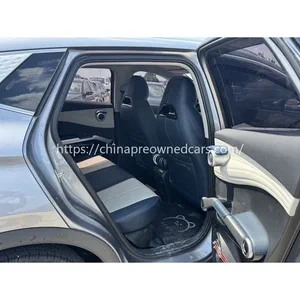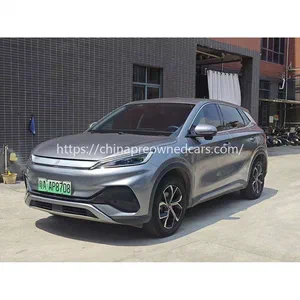
The BYD Atto 3 occupies a distinct position in China’s used electric SUV market. For buyers in Ghana, Nigeria, Kenya, Uganda and Tanzania, its appeal depends on more than the purchase price: battery condition, charging access, vehicle configuration and local servicing all affect its suitability. This article examines the Atto 3’s export specifications, its position against competing SUVs and the checks required before purchase.
The BYD Atto 3 in the West African used SUV market
The Atto 3 is a fully electric compact SUV built on BYD’s e-Platform 3.0 architecture. It uses a single electric motor driving the front wheels, rather than a conventional petrol engine and multi-speed transmission. Depending on the production year and market specification, battery capacity is commonly offered in 49.92 kWh and 60.48 kWh versions. Published driving ranges vary by battery and test cycle, so buyers should distinguish between laboratory figures and expected operating range.
Its market position is particularly relevant to buyers comparing a used affordable suv with established petrol models. The Atto 3 offers lower routine powertrain maintenance requirements because it has no engine oil, exhaust system or conventional automatic gearbox. However, this does not automatically make ownership cheaper. Electricity tariffs, charging availability, battery condition and the cost of specialist repairs all influence the total operating expense.
Demand for Chinese-brand SUVs has developed alongside continued interest in Japanese and European used vehicles. The Toyota RAV4 and other established Japanese SUVs remain familiar choices because independent workshops and replacement-parts channels are widely established in many African markets. European alternatives often attract buyers seeking particular equipment levels or driving characteristics. The Atto 3 competes through its electric drivetrain and relatively modern cabin technology, but requires a different ownership infrastructure.
In Ghana and Nigeria, buyers assessing electric SUVs need to consider where the vehicle will be charged and whether local technicians can diagnose high-voltage systems. Kenya’s developing electric mobility sector provides another potential market, although charging access varies significantly between urban centres and less connected areas. Uganda and Tanzania also require practical assessments of electricity availability and service support. Interest in electric vehicles does not mean every buyer is ready to operate one.
Export specifications, condition and market suitability
The Atto 3’s front-wheel-drive configuration suits ordinary paved-road use and moderate urban travel. Its ground clearance and SUV body provide a more practical profile than a low-slung passenger car, but it should not be treated as a dedicated off-road vehicle. Rough surfaces, deep potholes and poorly maintained roads can affect suspension components, tyres and underbody protection. Buyers operating outside major cities should inspect these areas carefully.
Drive side is another important consideration. Most vehicles sourced from China’s domestic market are left-hand drive. This configuration may be suitable for some buyers in the region, but Ghana, Nigeria, Kenya, Uganda and Tanzania have left-side road traffic and generally use right-hand-drive vehicles. A standard left-hand-drive Atto 3 can therefore face registration or import eligibility restrictions. Buyers must confirm the current rules with the destination country’s relevant authorities before committing to a purchase. Sourcing a right-hand-drive vehicle requires specific availability and should not be assumed.
The Atto 3 produces no tailpipe emissions during electric operation. It does not have a conventional Euro petrol or diesel emission classification in the same sense as a combustion vehicle. Nevertheless, its electric status does not remove other import requirements. Authorities may apply vehicle-age restrictions, roadworthiness checks, documentation requirements and rules governing electric vehicle imports. These conditions should be confirmed separately for each destination.
Used-unit condition also needs a consistent assessment. A practical grading process should distinguish cosmetic wear from mechanical or electrical faults. Exterior inspection should cover paintwork, panel alignment, previous accident repairs, glass and corrosion. The cabin should be checked for seat wear, damaged controls, air-conditioning performance and electronic functions. Tyres, suspension, steering and braking components require physical examination.
Battery assessment is more important than the odometer reading alone. Buyers should request a battery state-of-health report where available, together with diagnostic fault information and charging records. The inspection should also cover the battery enclosure, cooling system, charging port and high-voltage warning history. A vehicle with modest mileage may still have experienced prolonged exposure to heat or unsuitable charging practices. Battery transport arrangements must also be considered when shipping an electric vehicle internationally.

Pricing, competition and purchase checks
Chinese used electric SUVs are increasingly part of the comparison set for African importers, but price positioning must be assessed against the complete landed cost. The purchase price is only one component. Export documentation, inland transport in China, inspection, freight, insurance, destination duties and port charges all affect the final figure. An Atto 3 that appears inexpensive at the sourcing stage may become less competitive once local charging equipment or specialist servicing costs are included.
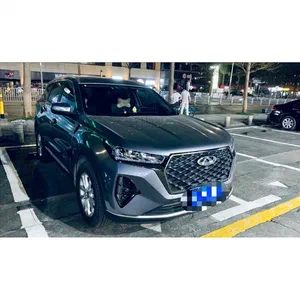
The Atto 3 also competes indirectly with petrol-powered Chinese SUVs already familiar to importers. The Chery Tiggo 7 Plus, Chery Tiggo 8 Pro, Geely Coolray and Haval H6 provide alternatives for buyers who prefer conventional fuel infrastructure or need a different cabin and vehicle format. These models should not be treated as direct electric substitutes. Their operating costs, powertrains and maintenance requirements differ substantially.
For an export buyer, the strongest purchasing decision starts with a documented vehicle assessment. The VIN should match the registration and export paperwork. Buyers should request clear photographs, mileage records where available, diagnostic results and details of any accident or repair history. The charging connector and onboard charging compatibility should also be confirmed against equipment available in the destination market.
China’s used vehicle export process involves the appropriate export licensing, customs declaration and pre-shipment inspection. Once documentation and inspection requirements are satisfied, vehicles can be transported by RoRo vessel or loaded into containers. RoRo shipping is generally suited to operational vehicles that can be driven onto and off the vessel. Container shipping offers a different loading arrangement and may be considered where additional protection or consolidated cargo handling is required. The appropriate method depends on the vehicle, shipping route and freight arrangements.
Buyers should establish the payment structure, inspection scope and responsibility for destination charges before transferring funds. Shipping schedules depend on vessel availability, port operations and customs processing; a quoted transit estimate should not be confused with a guaranteed delivery date. After-sales support should also be discussed in practical terms, including access to diagnostic information, replacement parts sourcing and assistance with technical questions. For the Atto 3, local high-voltage repair capability is a particularly important consideration.
FAQ
Q: What battery options are available on the BYD Atto 3?
A: Common versions include 49.92 kWh and 60.48 kWh battery configurations. Exact specifications and published driving range depend on production year and market version.
Q: Can a left-hand-drive BYD Atto 3 be imported into Ghana or Nigeria?
A: Both markets have right-hand-drive road traffic, and import or registration restrictions may affect left-hand-drive vehicles. Buyers should confirm current eligibility with the relevant authorities before purchase.
Q: What should buyers check before exporting a used BYD Atto 3?
A: Key checks include battery state of health, diagnostic records, accident history, charging-system condition, VIN consistency and export documentation. Destination charging compatibility and local servicing options should also be assessed.