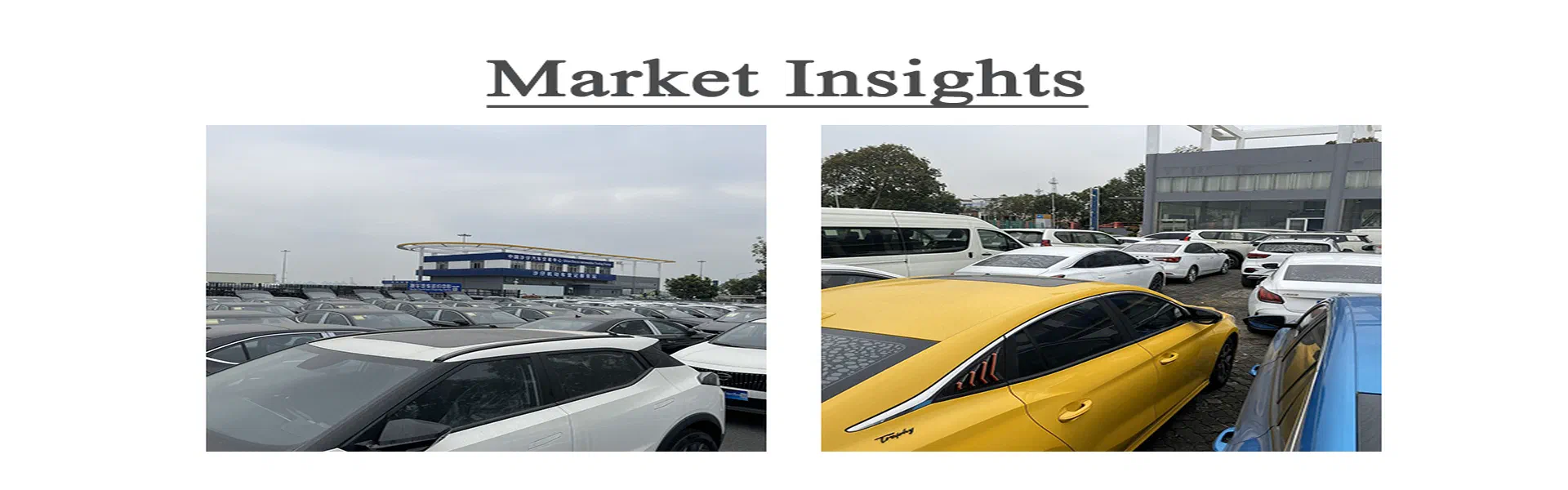
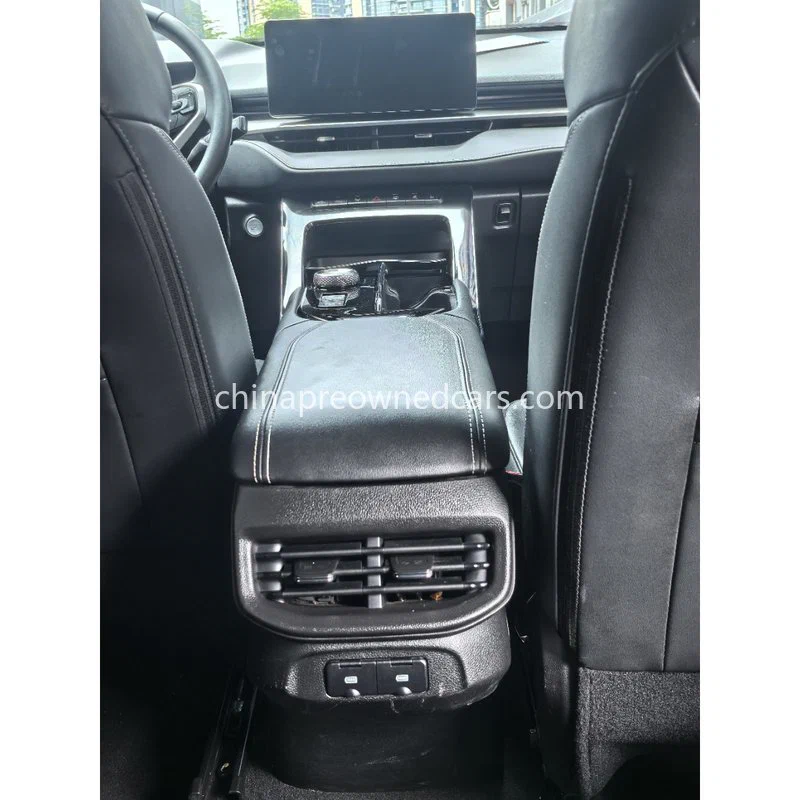
Ghana’s used SUV market is shifting toward newer Chinese models, especially compact and midsize vehicles with practical equipment. This article examines demand, import checks, operating conditions, model fit, and the export steps that matter to second hand car buyers.
Ghana market requirements
Ghana is a right-hand-traffic market, so left-hand-drive vehicles from China generally fit the road system. Most Chinese domestic-market SUVs are LHD, but steering position must still be confirmed from the vehicle record and photographs before purchase. Ghanaian import rules also cover vehicle age, emissions, roadworthiness, customs valuation, and documentation. These requirements can change, and the current position should be checked with Ghana Customs or a licensed clearing agent before payment. Import duties and taxes affect the landed cost more than the advertised vehicle price, so a formal quotation should separate vehicle value, freight, insurance, port charges, and local clearance fees.
Road and climate conditions shape buyer preferences. Accra and other urban areas create demand for compact SUVs that are easy to park and economical in traffic, while rougher regional roads favor higher ground clearance and stronger suspension checks. Heat, dust, humidity, and seasonal flooding place extra demands on cooling systems, air conditioning, seals, underbody protection, and electrical connectors. A pre-owned vehicle should therefore be assessed for flood exposure, corrosion, accident repairs, tire condition, and air-conditioning performance rather than judged by appearance alone. Service records and a cold-start video provide useful evidence, but neither replaces an independent inspection.
Model fit and market positioning

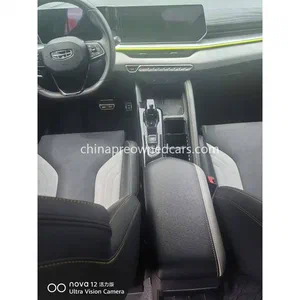
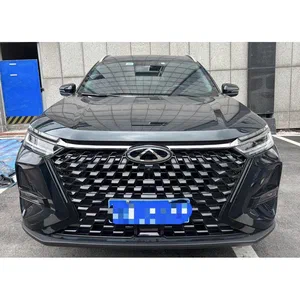
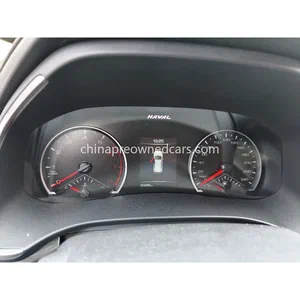
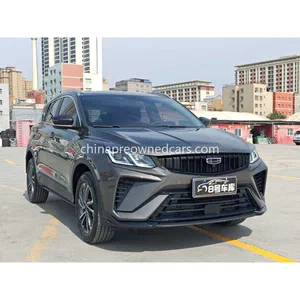
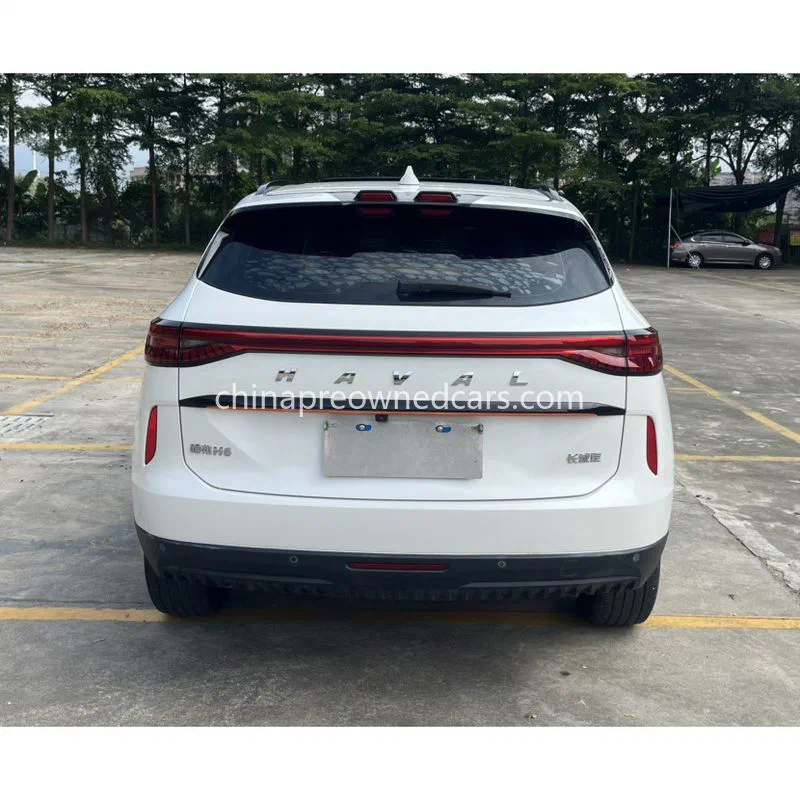
The BYD Atto 3 gives Ghanaian distributors access to a used electric SUV with a modern cabin and lower routine energy costs where dependable charging is available. Its suitability depends on battery state of health, charging equipment, software compatibility, repair support, and the route profile of the final owner. Public charging remains less widespread than fuel stations, particularly outside major urban centers, which limits the addressable market for fully electric vehicles. Chery Tiggo 7 Plus and Geely Coolray are better aligned with buyers seeking a smaller SUV footprint, contemporary equipment, and conventional refueling or a specified electrified variant. The Chery Tiggo 8 Pro and Haval H6 can serve family and fleet demand, subject to confirming seating layout, powertrain, drive side, and parts availability.
Chinese SUVs compete with established Japanese and European used vehicles in Ghana on a different basis. Japanese brands retain strong recognition, a large independent repair base, and broad availability of used parts. European models can attract buyers seeking cabin finish or driving refinement, but maintenance and component costs may be higher for some imported variants. Chinese vehicles are gaining attention through newer design, more standard equipment, and a price position that can place a relatively recent SUV against an older Japanese alternative. Resale history is less established, however. Dealers should account for customer concerns about software, electronic systems, battery replacement, and long-term parts supply when setting stock policy.
Demand is also becoming more segmented. Private buyers often prioritize fuel economy, automatic transmission, cabin space, and a clear service path, while ride-hailing, rental, and corporate fleets focus on downtime, tire costs, warranty terms, and repair access. The Atto 3 is most exposed to charging limitations but may appeal to urban households and environmentally focused fleets. Petrol or hybrid versions of the Tiggo 7 Plus, Tiggo 8 Pro, Coolray, or H6 may have a wider operating range, but the exact specification must be confirmed for each unit. Supply from China gives exporters access to domestic-market trims that may be newer than comparable vehicles in Ghana, yet unfamiliar configurations can complicate diagnostics and resale.
For a Ghana-bound purchase, the most important comparison is landed value, not showroom specification. A low purchase cost can be offset by duty assessment, port handling, inland transport, charger installation, or delayed parts. Buyers should request the VIN, production and registration records, mileage evidence, accident and flood disclosures, maintenance history, underbody photographs, and a condition grade based on documented checks. For the Atto 3, a battery report should include state of health and charging performance. For combustion or hybrid SUVs, engine operation, transmission behavior, cooling, and high-voltage components where fitted require separate testing. Payment terms should tie the balance to inspection and document confirmation.
China’s export process requires an export license, customs declaration, and pre-shipment inspection. After approval, vehicles may move by RoRo service or inside containers; the choice depends on sailing availability, vehicle dimensions, port handling, and whether additional cargo protection is needed. Export documents commonly include the commercial invoice, packing or vehicle details, shipping document, ownership-related records, and inspection paperwork, with the exact set determined by the transaction and Ghanaian clearance process. Sailing schedules and port release times vary, so a realistic lead-time discussion should distinguish sourcing, inspection, customs processing, ocean transit, and destination clearance. After-sales support is strongest when the exporter can provide parts guidance, diagnostic information, warranty boundaries, and a named contact for technical questions.
FAQ
Q: Are Chinese SUVs from this inventory suitable for Ghana’s road system?
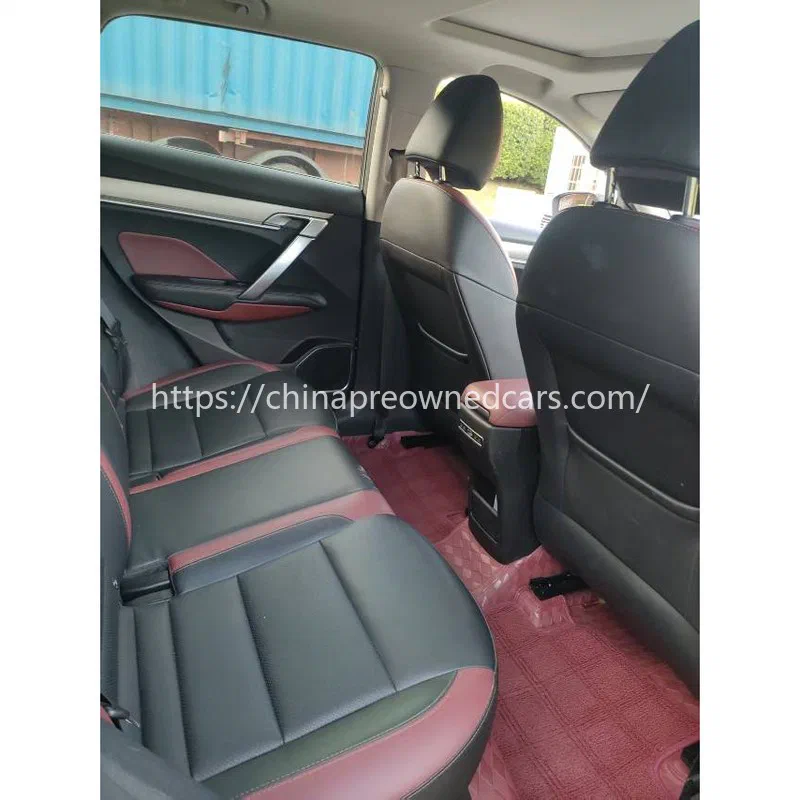
A: Most Chinese domestic-market vehicles are left-hand drive, which is generally compatible with Ghana’s right-hand traffic. Steering position, ground clearance, cooling performance, and the destination’s current import rules still need verification for each unit.
Q: What should be checked before importing a used BYD Atto 3?
A: Confirm the VIN, charging standard, battery state of health, charging test results, accident and flood history, software status, and available technical support. Ghanaian import documentation and any current EV-related requirements should also be checked before shipment.