
Second-hand car prices have risen sharply in global markets, including Africa, due to supply chain disruptions, increased demand, and higher import costs. For buyers in West Africa and North Africa importing left-hand-drive vehicles from China, understanding the factors behind these costs is essential for making informed purchasing decisions.
Rising Import Costs
Shipping and logistics expenses have surged in recent years. Freight costs, including roll-on/roll-off (RoRo) and container shipping, have increased due to fuel price hikes and limited vessel availability, affecting the cost of delivering vehicles to African ports. For buyers in Ghana and Nigeria, import duty and port clearance fees further add to the landed cost. Importers must factor in these charges alongside the vehicle’s purchase price to avoid unexpected expenses.
Limited Availability of Vehicles
Global shortages of new cars, driven by semiconductor supply issues, have pushed more buyers toward the used car market, creating higher demand. This has driven up prices for high-quality second-hand vehicles, especially models with lower mileage and good service history. For African buyers sourcing cars from China, ensuring proper inspection and documentation is crucial to avoid overpaying for substandard units.

Vehicle Condition and Market Trends
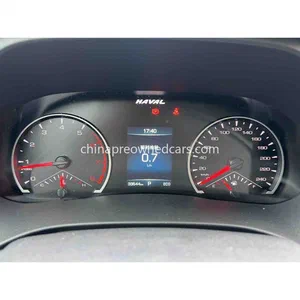
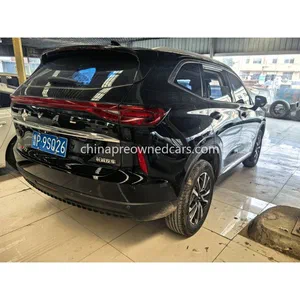
Buyers in Africa often prefer vehicles with durable engines, reliable fuel economy, and features suited to local road conditions. SUVs like the Chery Tiggo 8 Pro or Haval H6 are particularly popular due to their ground clearance and practicality. However, higher demand for these models has inflated their resale value, making price comparison and due diligence vital steps in the procurement process.
FAQ
Q: How can I reduce landed costs when importing cars from China to Africa?
A: Opt for RoRo shipping to cut freight expenses and work with experienced customs agents to minimize port clearance delays and fees.

Q: What should I look for during vehicle inspections?
A: Focus on mileage, service history, and the overall condition of the car. Check for signs of wear and ensure all documentation matches the vehicle’s history.
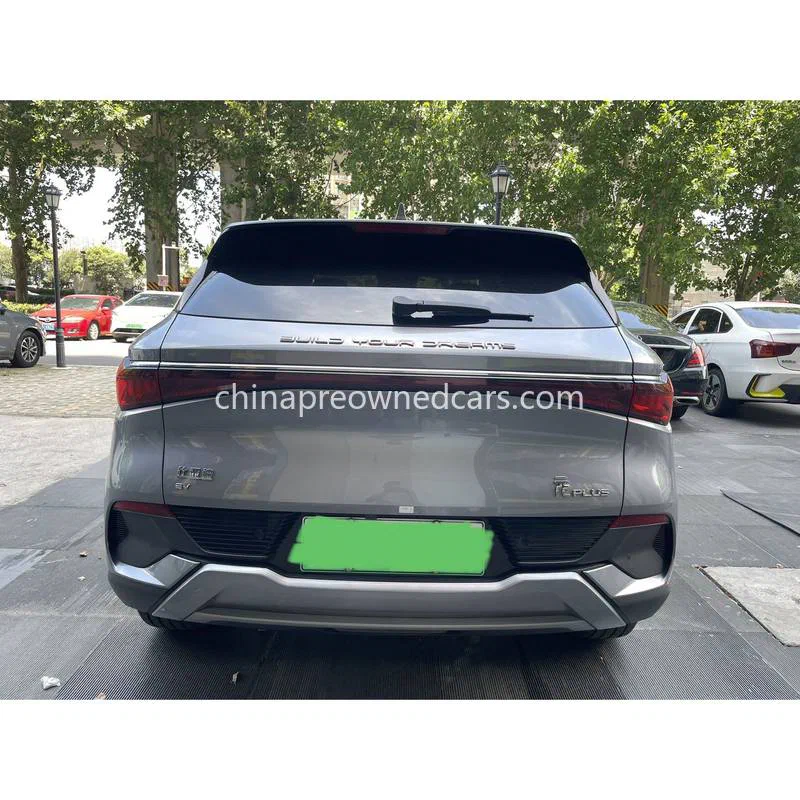
Q: Why are SUVs more expensive in African markets?
A: SUVs are highly sought after due to their durability, ground clearance, and adaptability to local road conditions, driving up their demand and price.