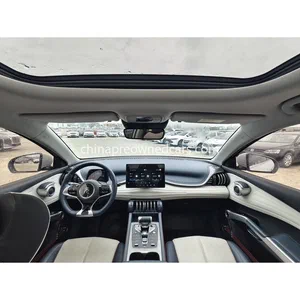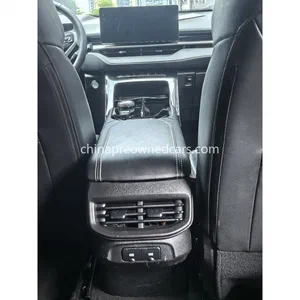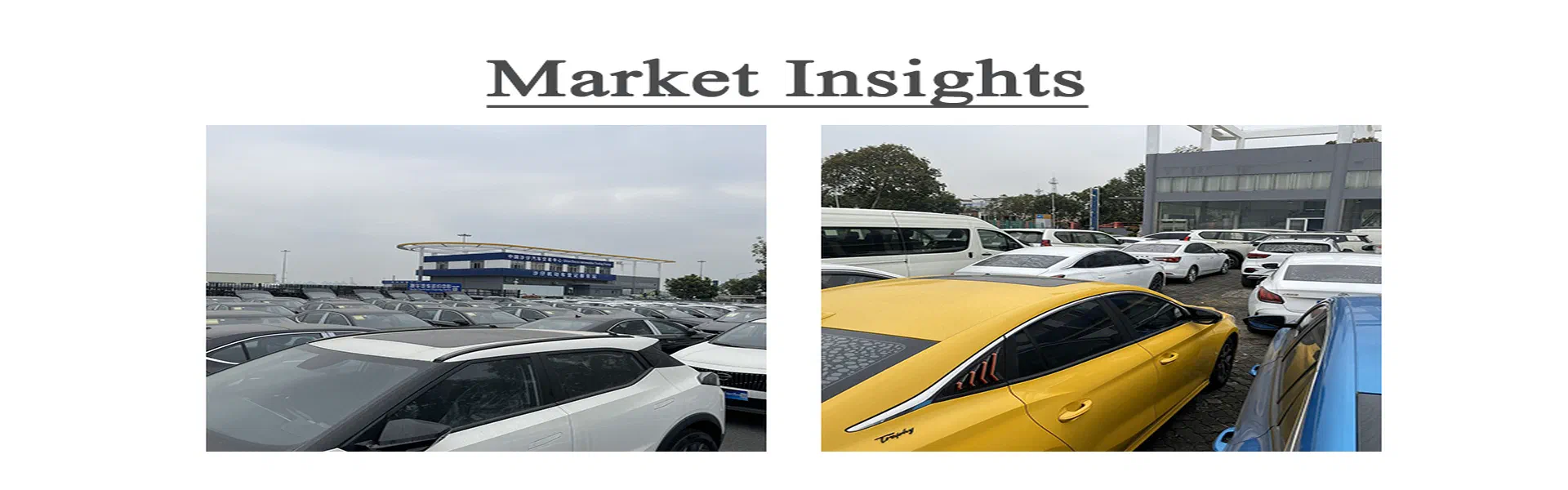
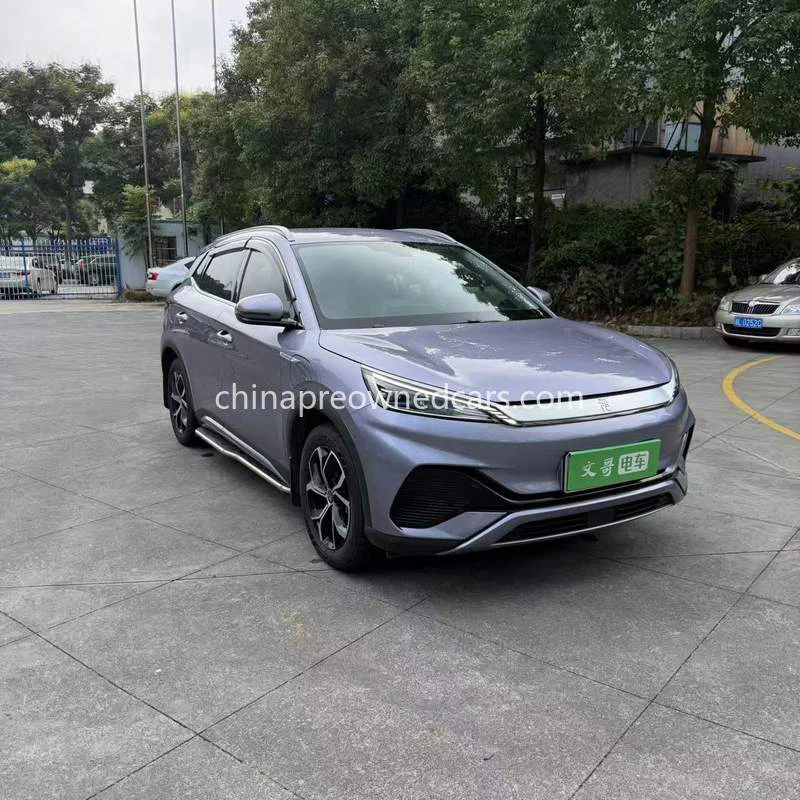
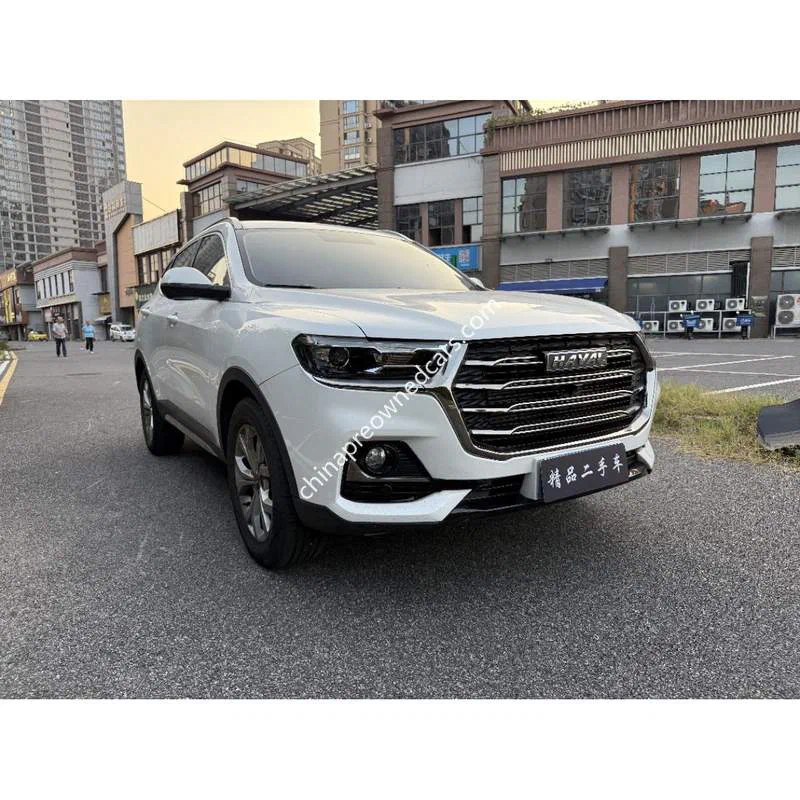
The best used vehicles to buy for overseas resale depend on the destination market, local running costs, maintenance access and import eligibility. For buyers in Ghana, Nigeria, Kenya, Uganda and Tanzania, Chinese-brand SUVs such as the BYD Atto 3, Chery Tiggo 7 Plus, Chery Tiggo 8 Pro, Geely Coolray and Haval H6 offer different options across petrol, hybrid and electric powertrains, with the right choice depending on customer demand and the total cost of importing each vehicle.
Chinese used SUVs occupy a different position from established Japanese and European alternatives. Japanese models often benefit from long-standing familiarity among mechanics, parts suppliers and used-car dealers, while European vehicles can attract buyers seeking particular comfort or equipment features but may involve higher maintenance costs for some models. Chinese brands compete through relatively recent designs, modern cabin equipment and a growing range of electrified vehicles. Their resale performance, however, depends on local recognition, parts availability and confidence in long-term support. Importers should assess these factors alongside the purchase price rather than treating a lower initial cost as proof of better value.
In the five target markets, buyer priorities are not identical. In Ghana and Nigeria, importers need to consider resale demand, fuel expenditure, workshop familiarity and the landed cost after freight, duties and clearance charges. Kenya, Uganda and Tanzania also require close attention to road conditions, service access and the practical cost of keeping an SUV operating. The Haval H6 and Chery Tiggo 7 Plus suit buyers looking for conventional SUV utility and family use, while the larger Chery Tiggo 8 Pro may appeal to customers who need additional passenger capacity. The Geely Coolray offers a smaller SUV alternative for buyers who prioritise urban driving and manoeuvrability. These are product-positioning considerations, not guarantees of local sales volume; importers should validate demand with dealers before committing to a shipment.
Powertrain choice increasingly shapes the buying decision. Petrol-powered SUVs remain relevant where fuel stations and independent repair workshops are easy to access, and where buyers prefer familiar maintenance routines. Hybrid vehicles can reduce fuel consumption under suitable driving conditions, but the exact system, battery condition and repair requirements need checking before purchase. The BYD Atto 3 is a fully electric SUV, making charging access and battery health central to its suitability. Buyers should request available battery diagnostic results, inspect charging equipment and confirm compatibility with the charging standards used at the destination. A battery’s reported state of health should be supported by evidence rather than assumed from the vehicle’s age or dashboard range. Electric vehicles can offer lower routine powertrain maintenance, but battery repairs and replacement may be expensive where specialist support is limited.


Vehicle condition matters as much as model selection. Before payment, buyers should obtain the VIN, verify the vehicle’s identity and compare available registration, service and accident records. A pre-shipment inspection should examine the body, chassis, tyres, suspension, brakes, engine or electric drive system, warning lights and electronic functions. For hybrids and EVs, the inspection should include relevant battery and high-voltage system checks. Mileage should be assessed against available records and the observed condition, not accepted solely because it appears on the instrument panel. Request clear photographs, inspection findings and a written description of any defects. Agree on the condition grade and the treatment of undisclosed faults in the sales terms. A used vehicle’s history cannot be established from appearance alone, and an inspection reduces uncertainty without guaranteeing future performance.
Export arrangements determine whether the vehicle remains commercially viable after purchase. China’s used vehicle export process requires the appropriate export licensing, customs declaration and pre-shipment inspection, followed by shipping documentation and coordination with the destination-side clearing agent. RoRo shipping carries eligible vehicles aboard a vessel, while container shipping places them inside a container and may suit particular cargo-protection or handling requirements. The better method depends on the vehicle, route, freight quotation and destination port arrangements. Buyers should compare the full landed cost, including inland transport, inspection, documentation, freight, insurance where arranged, import duties, taxes, port charges and local clearance. Most vehicles in this Chinese-brand inventory are left-hand drive. That configuration may be unsuitable in markets where right-hand-drive vehicles are required or left-hand-drive imports are restricted. Importers must confirm current rules on vehicle age, emissions, roadworthiness and drive side for the specific destination before paying a deposit. Payment milestones, document release, estimated shipping time and responsibility for after-sales enquiries should also be agreed in writing.
FAQ
Q: Which Chinese used SUV is best for overseas buyers?
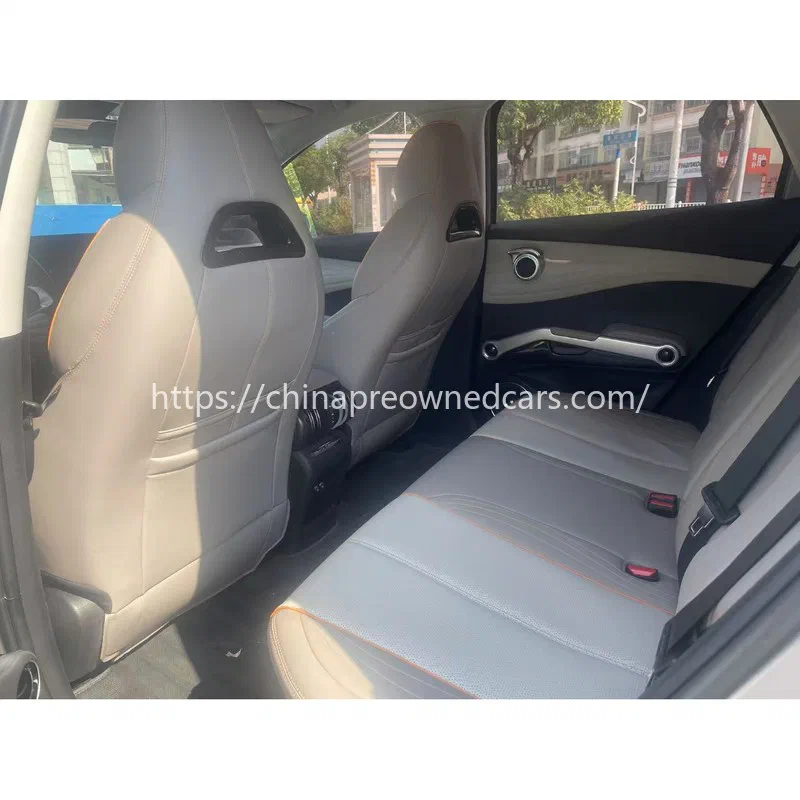
A: The Haval H6 and Chery Tiggo 7 Plus are options for conventional SUV buyers, while the Chery Tiggo 8 Pro suits those seeking additional passenger capacity. The Geely Coolray and BYD Atto 3 address different needs, so local demand, maintenance access and powertrain suitability should guide selection.
Q: Can a used BYD Atto 3 be exported to Ghana, Nigeria, Kenya, Uganda or Tanzania?
A: Export feasibility depends on current destination rules, vehicle specifications and the condition of the battery. Buyers should confirm import eligibility, charging compatibility and access to EV servicing before purchase.
Q: What documents should an importer request before shipment?
A: Request the vehicle identification details, sales contract, available ownership and service records, inspection report, export documentation and shipping documents as they become available. The destination clearing agent should confirm the current import paperwork and customs requirements.