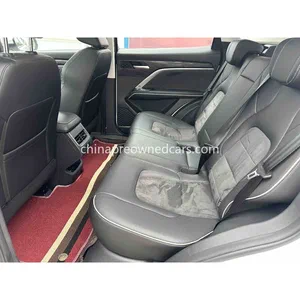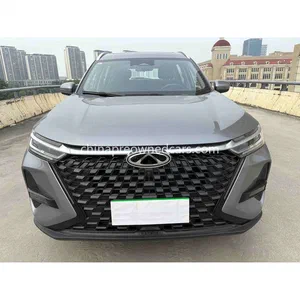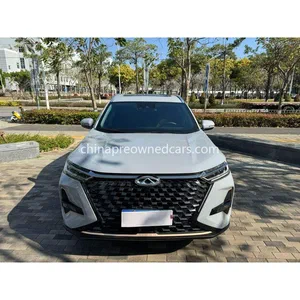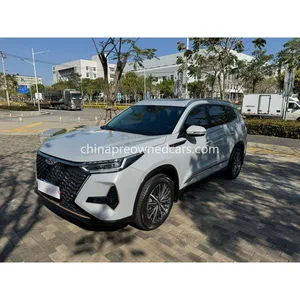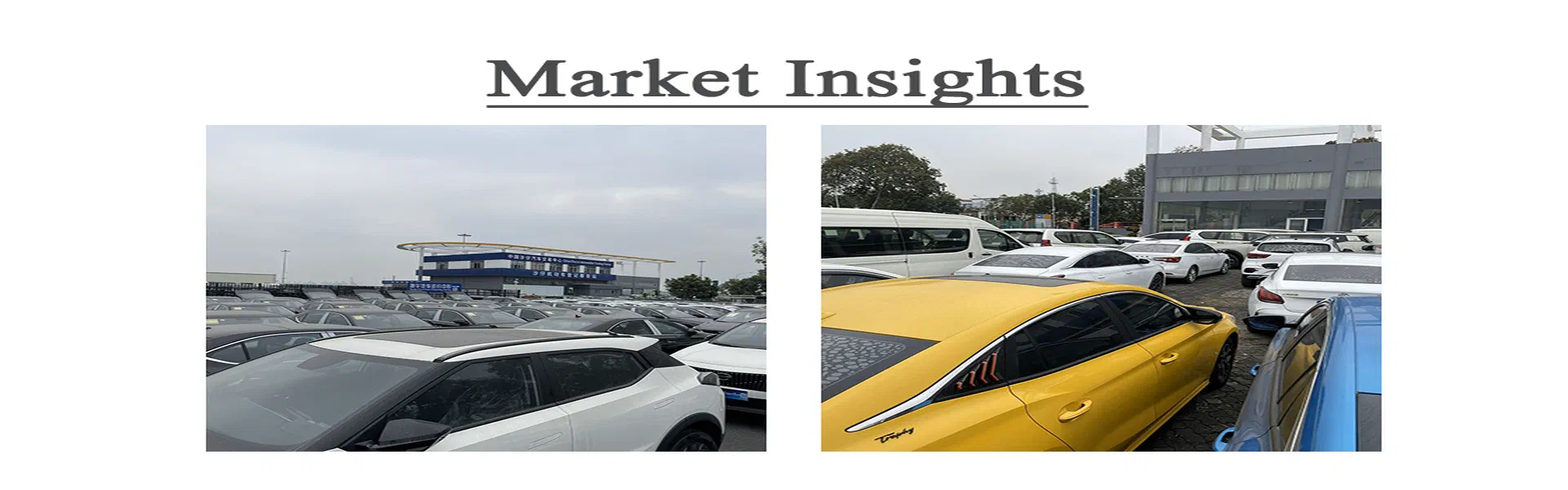
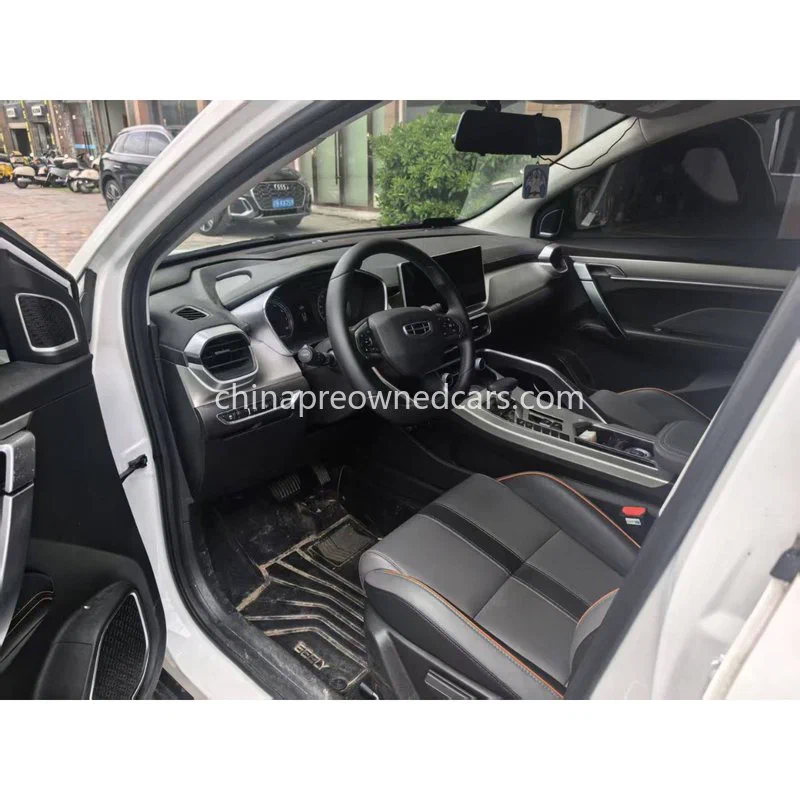
When buying a second-hand car from China for import into regions like West Africa or North Africa, asking the right questions is key to making a smart investment. Beyond the cost of the vehicle itself, factors like shipping, import duties, and the car’s condition can significantly affect profitability. Here’s how to ensure you’re making an informed decision.
Essential Questions to Ask
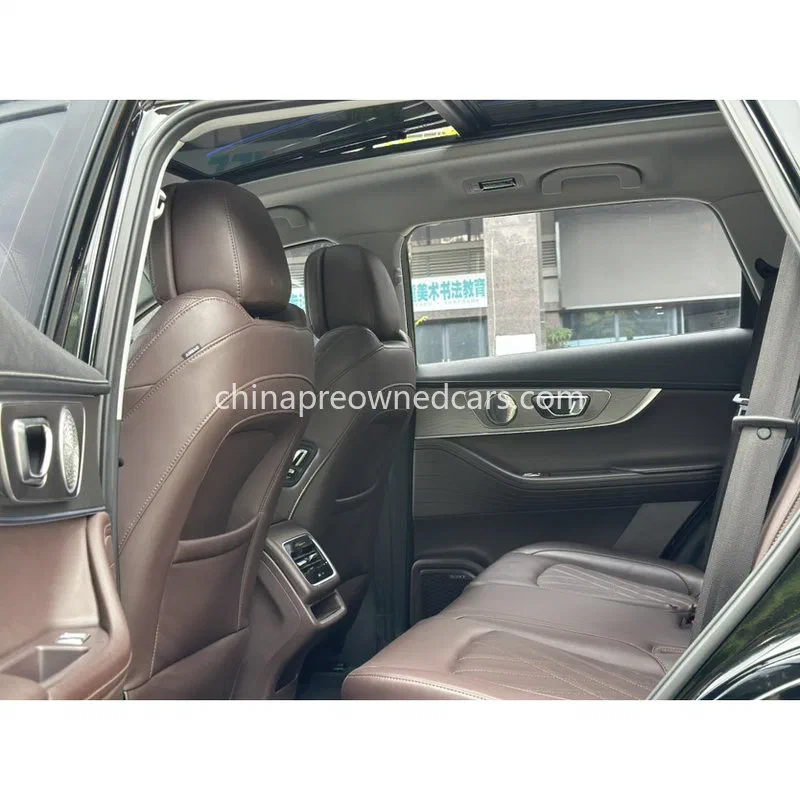
Start by verifying the car’s condition and history. Ask for detailed information about the mileage, service history, and whether the car has been in any accidents. It’s also crucial to confirm the availability of spare parts locally for the specific make and model you’re purchasing, especially in markets like Ghana and Nigeria where certain brands dominate. Additionally, inquire about the vehicle’s fuel economy and ground clearance, as these factors can affect its suitability for local roads and operating costs.
Next, focus on the financial aspects. Request a breakdown of the total cost, including the purchase price, shipping method (such as RoRo or container), freight charges, import duties, and port clearance fees. Knowing whether the seller offers FOB or CIF terms is critical for estimating your landed cost accurately. Be clear on the payment terms, such as whether a deposit is required upfront and what the timeline for full payment is.
Finally, clarify shipping and documentation. Confirm how soon the vehicle will be shipped, and ask for a timeline for receiving key documents like the bill of lading and any inspection certificates required by customs. This ensures smoother clearance at ports in countries like Tema or Lagos.
Common Mistakes to Avoid
Do not assume that the seller has included all costs in their initial quote. Hidden fees can erode your profit margin if you’re reselling the vehicle. Likewise, avoid overlooking the importance of a pre-purchase inspection, whether conducted by a trusted third party or through detailed photo and video evidence from the seller. To avoid delays, ensure that all documentation is complete and compliant with import regulations in your destination country.
FAQ
Q: What’s the difference between FOB and CIF terms? A: FOB (Free on Board) means the seller covers costs until the car is loaded onto the shipping vessel. CIF (Cost, Insurance, and Freight) includes shipping and insurance costs to the destination port.
Q: How can I verify the vehicle’s condition before shipping? A: Request a pre-shipping inspection report, photos, and videos. You can also hire a third-party inspection service for added assurance.
Q: What are typical import costs for used cars in West Africa? A: Import costs include shipping, customs duties, port clearance fees, and taxes, which can vary by country and vehicle type. Always request a detailed cost estimate.