Used vehicle buyers in West Africa increasingly examine Chinese SUVs as an alternative source for affordable transport and newer vehicle technology. This article covers the checks required before buying from Chinese used vehicle exporters, including vehicle condition, export paperwork, and market considerations.
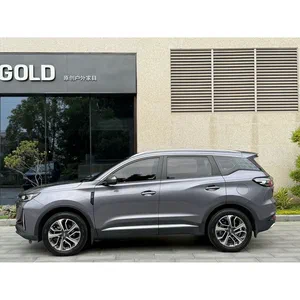
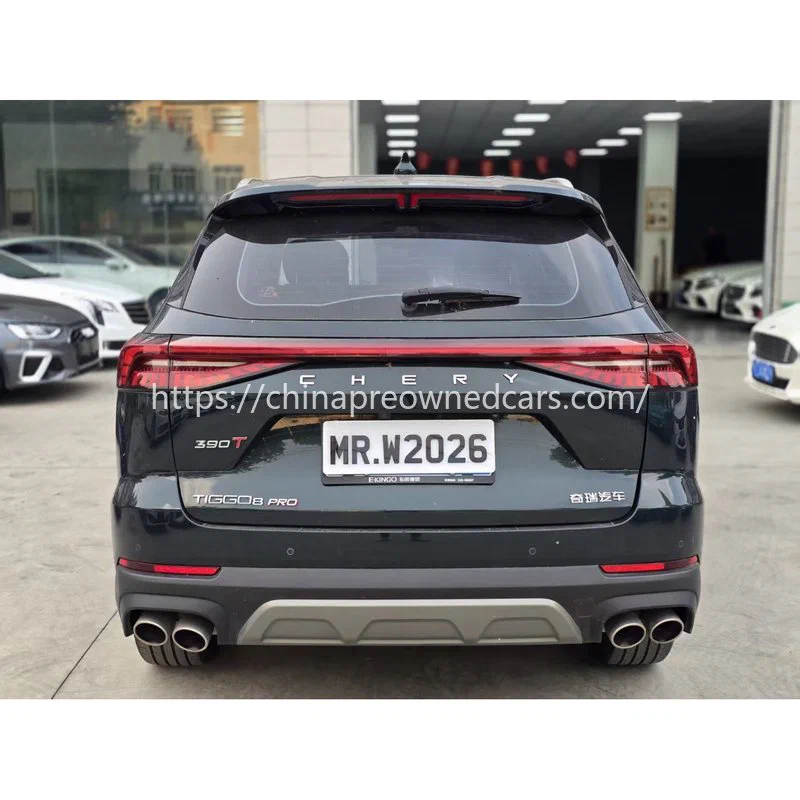
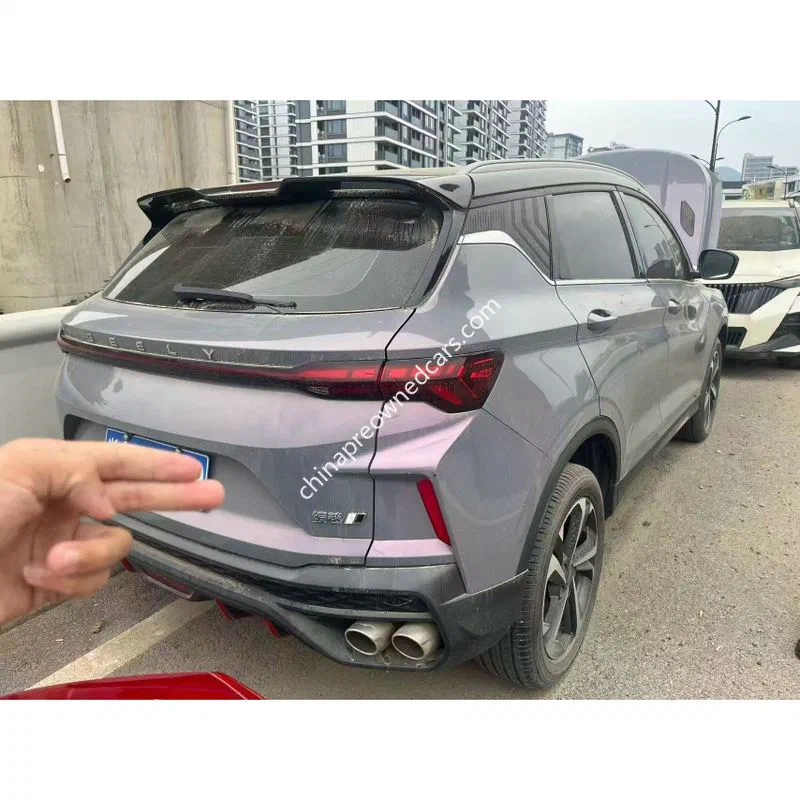
Chinese pre-owned SUVs such as BYD Atto 3, Chery Tiggo 7 Plus, Chery Tiggo 8 Pro, Geely Coolray, and Haval H6 have gained attention in markets including Ghana, Nigeria, Kenya, Uganda, and Tanzania. Demand is being shaped by interest in lower operating costs, modern features, and the wider availability of electric and hybrid vehicles. Buyers comparing dealerships with cheap used cars should focus less on the lowest listing price and more on vehicle records, inspection details, and export capability.
Vehicle checks before purchase
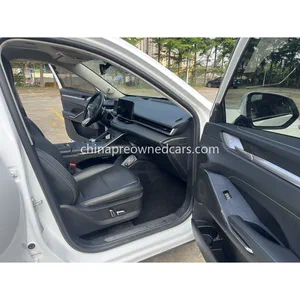
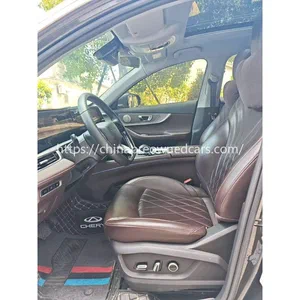
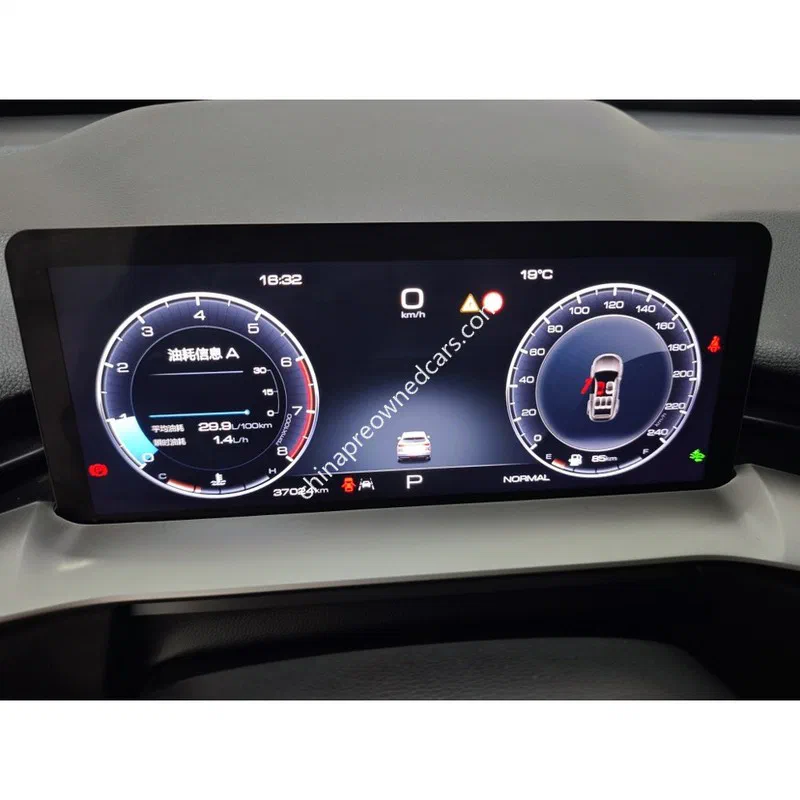
Mileage verification is one of the first steps in evaluating a used vehicle. The displayed mileage should be compared with service records, vehicle history information, and physical wear on areas such as the steering wheel, seats, pedals, and interior controls. A mismatch does not always indicate a problem, but it requires further investigation before payment.
Service history is also important because maintenance patterns show how a vehicle was used. Buyers should request available maintenance records and review accident history, repair records, and ownership information where available. VIN verification helps confirm that the vehicle details match the actual car being sourced. For electric vehicles, battery health requires additional attention. Battery state of health, charging history, battery condition reports, and previous usage patterns should be reviewed before shipment.
For exporters handling Chinese used vehicles, quality assessment normally includes vehicle inspection before export preparation. Buyers should request an inspection report that explains the vehicle condition, visible defects, mechanical checks, and any areas requiring attention. Photos and videos taken during inspection can help overseas buyers make decisions without physically visiting China.
Export documents and market requirements
A reliable exporter should provide clear documentation throughout the transaction. Chinese used vehicle exports require export licensing, customs declaration, and pre-shipment inspection before shipping. The buyer should confirm that the exporter can provide the required export documents and customs clearance paperwork for the destination market.
Shipping arrangements also need attention. Vehicles are commonly transported through RoRo shipping or loaded into containers depending on the vehicle type, route, and commercial arrangement. Shipping lead times vary according to port schedules, documentation processing, and destination procedures. Import requirements in Ghana, Nigeria, Kenya, Uganda, and Tanzania can change, so buyers should confirm current rules on vehicle age, emission standards, drive side, and roadworthiness before ordering.
Most vehicles sourced from China are left-hand drive. This matches many markets but may not suit countries where right-hand-drive vehicles are required. Buyers should check local regulations before selecting a vehicle specification. Import duties, taxes, and registration procedures are also determined by destination authorities rather than the exporter.
Market trends and buyer considerations
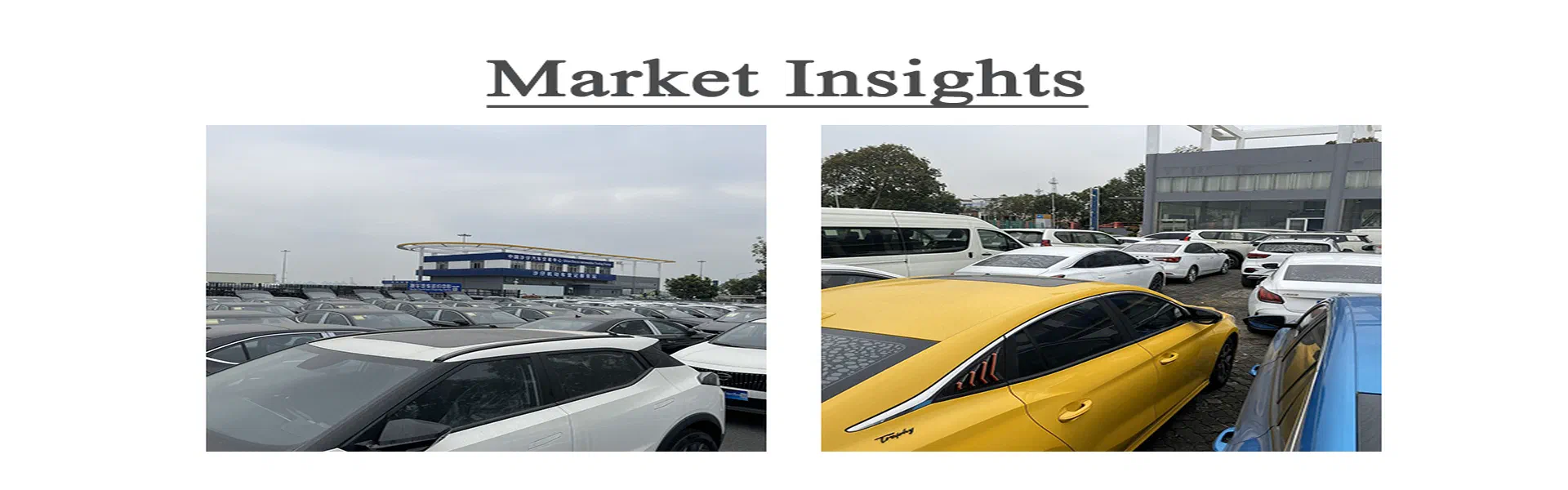
Chinese used SUVs are becoming more visible in African markets as buyers compare them with used European and Japanese vehicles. Traditional brands often benefit from long-established repair networks and parts availability, while Chinese SUVs attract buyers with newer designs, digital features, and access to electric and hybrid technology. The balance between purchase cost, maintenance support, and local demand remains a key factor.

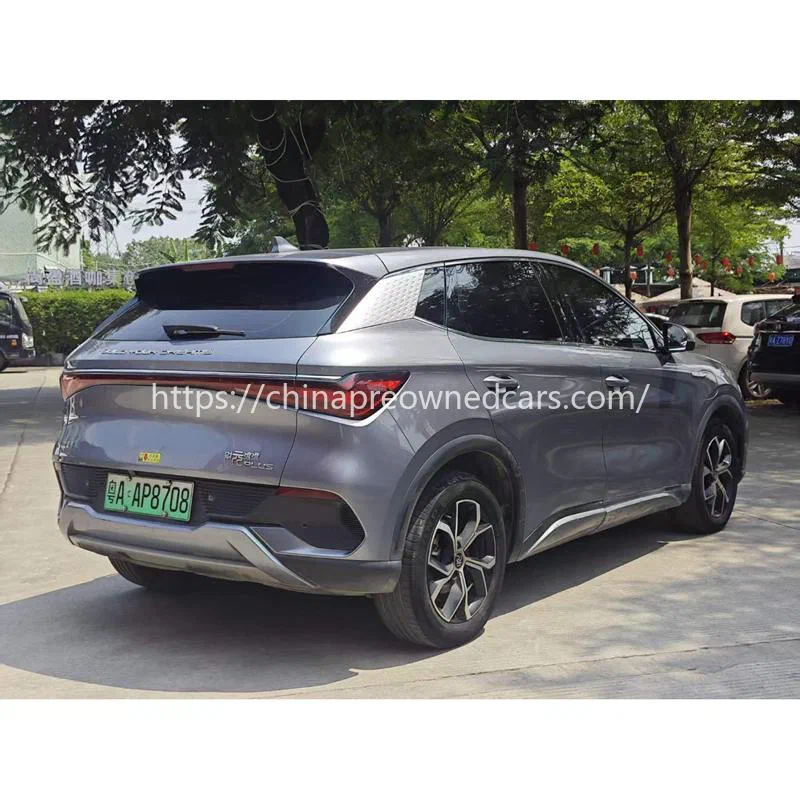
In West Africa, model preference varies by buyer group and operating conditions. SUVs with practical cabin space and reasonable running costs are often considered for family use, business transport, and fleet operations. Electric SUVs such as BYD Atto 3 require buyers to consider charging availability and battery service support, while hybrid models may appeal where charging infrastructure is still developing.
Payment terms should be reviewed before any transaction begins. Export purchases commonly involve staged payments linked to sourcing, inspection approval, and shipping preparation, but the exact arrangement depends on the exporter and buyer agreement. Buyers should avoid unclear payment requests and confirm company details, communication records, and export experience before transferring funds.
Common problems in used vehicle exports usually come from incomplete information, unclear condition descriptions, unsuitable vehicle specifications, or missing paperwork. A careful buyer verifies every stage, from vehicle identity to shipping documents. Exporter selection is therefore as important as vehicle selection, especially for overseas purchases where direct inspection is difficult.
FAQ
Q: What documents should a buyer request from a Chinese used vehicle exporter?
A: Buyers should request vehicle information, inspection documents, export license details, and customs clearance paperwork. The exact documents required may depend on the destination market.
Q: Are Chinese electric SUVs suitable for African markets?
A: Chinese electric SUVs can suit some African markets, but buyers should check charging infrastructure, battery support options, and local import requirements before purchase.
Q: What is the main difference between RoRo shipping and container shipping?
A: RoRo shipping carries vehicles by driving them onto a specialized vessel, while container shipping places vehicles inside containers. The suitable method depends on the shipment arrangement and destination route.