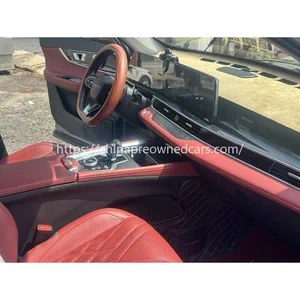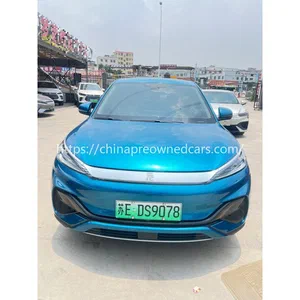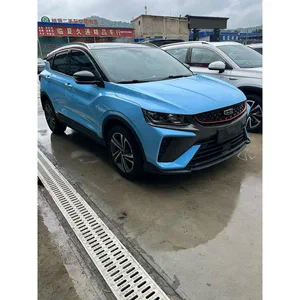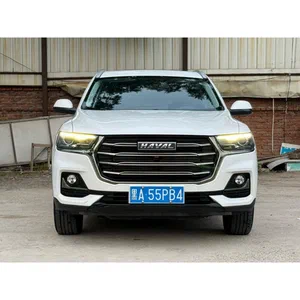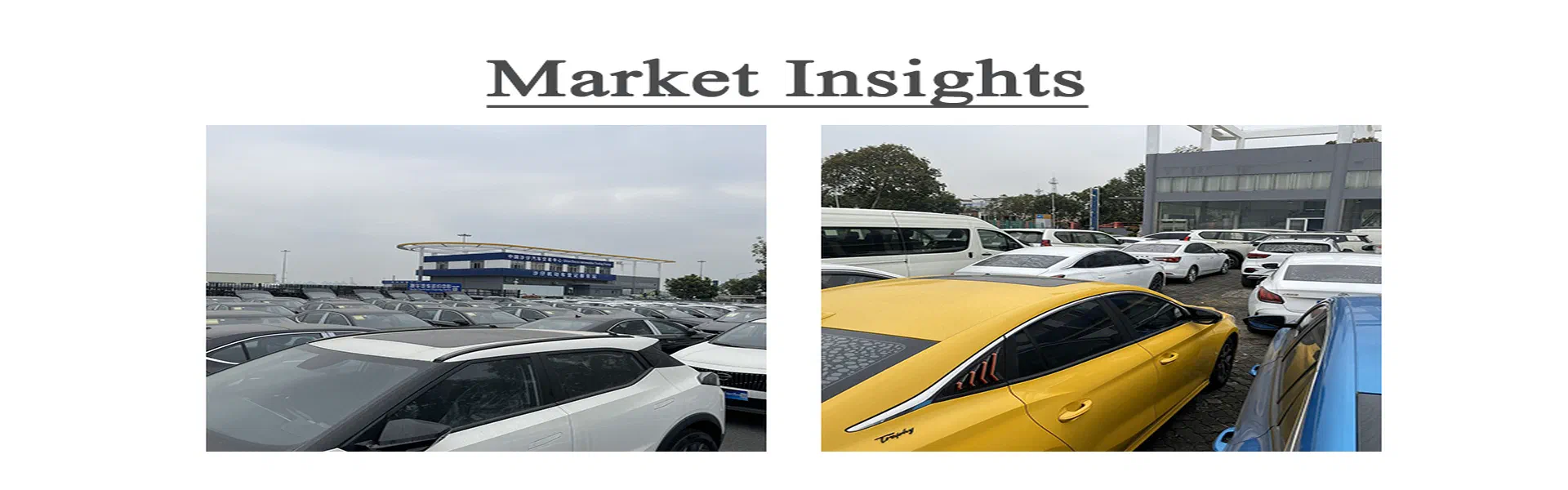
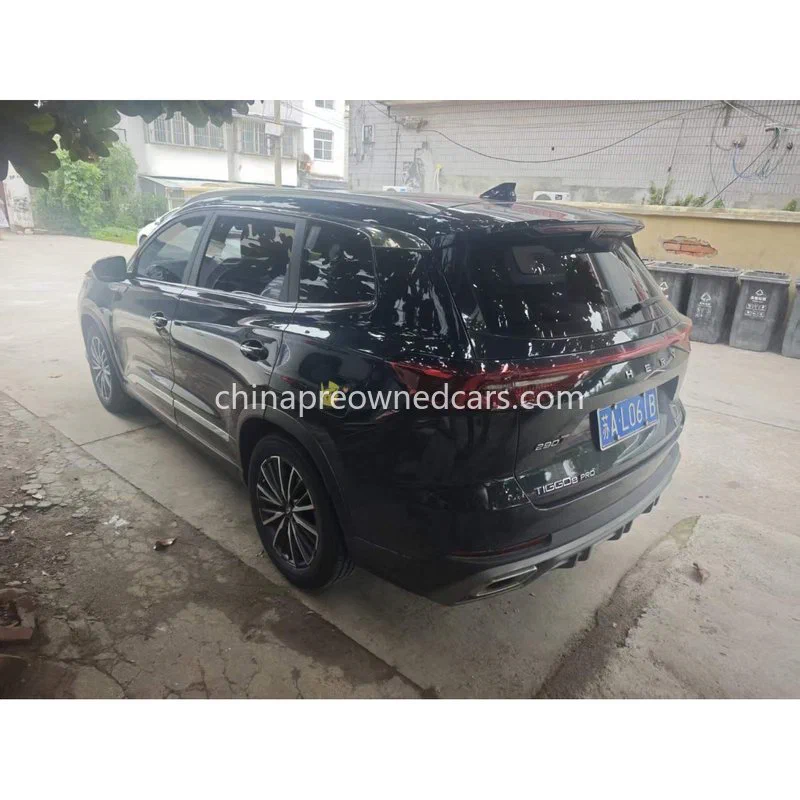
Chinese-brand electric and hybrid SUVs have emerged as strong contenders in the used vehicle market, particularly in regions like Africa, the Middle East, and South America. This analysis explores the demand trends for models such as the BYD Atto 3, Chery Tiggo 7 Plus, Chery Tiggo 8 Pro, Geely Coolray, and Haval H6, alongside comparisons with traditional European and Japanese alternatives.
Demand Trends for Chinese SUVs
In the recent years, there has been a noticeable shift in buyer preferences toward electric and hybrid vehicles, driven by rising fuel prices and growing environmental awareness. The BYD Atto 3, for instance, is gaining traction for its innovative features and competitive pricing. Similarly, the Chery Tiggo series offers a blend of spaciousness and technology, appealing to family-oriented consumers in markets such as Nigeria and Kenya. This trend towards the best used hot hatches is reflected in the growing sales of these vehicles, which often come at a lower price point compared to their European counterparts.
Comparison with European and Japanese Models
Chinese SUVs like the Haval H6 and Geely Coolray offer features similar to those found in European and Japanese models, but at a more accessible price. While European vehicles are often recognized for their build quality and reliability, they come with higher maintenance costs. Chinese options provide similar specifications—such as tech integration and safety features—often at a fraction of the cost, making them an attractive alternative for budget-conscious buyers. This price positioning is crucial for markets where affordability is a key driver of vehicle purchases.
Export Procedures and Requirements
Exporting used vehicles from China involves several steps, including compliance with customs regulations and obtaining necessary documentation. Vehicles must undergo pre-shipment inspections to ensure they meet the destination market’s standards. The logistics can involve RoRo (Roll-on/Roll-off) shipping or container shipping, depending on the buyer’s preference and specific requirements. It’s essential for buyers to verify the export license, customs clearance procedures, and shipping documentation to ensure a smooth transaction.
Market-Specific Regulations
Each destination market has its own set of import regulations, including vehicle age limits and emission standards. For instance, many African countries predominantly accept left-hand drive vehicles, which aligns with the Chinese inventory. Buyers should confirm the current regulations in their respective markets, as these can vary significantly. Understanding these specifics is vital for a successful import process, especially as emission standards tighten globally.
Practical Guidance for Buyers
Before making a purchase, buyers should conduct thorough checks on vehicle condition, including a pre-purchase inspection. Verifying the vehicle history, mileage, and battery health, especially for electric models, is crucial. Payment terms can vary, and buyers should ensure they understand the total costs involved, including shipping and customs fees. Typically, shipping lead times from China to African ports can range from 15 to 25 days, depending on the shipping method selected.
After-Sales Support
After-sales support is an important factor in the used vehicle market. Many exporters provide varying levels of after-sales service, including warranty options and assistance with maintenance. Buyers should inquire about the availability of parts and service networks for the specific models they are purchasing. This support can significantly influence the long-term ownership experience and overall satisfaction with the vehicle.

FAQ
Q: What are the benefits of purchasing a Chinese-brand SUV?
A: Chinese SUVs often offer advanced features at lower price points compared to European and Japanese models, making them accessible options for budget-conscious consumers.
Q: What should I check before purchasing a used vehicle?
A: Buyers should verify vehicle history, condition, mileage, and battery health, particularly for electric and hybrid models.
Q: How long does shipping take for used vehicles from China?
A: Shipping times typically range from 15 to 25 days, depending on the chosen shipping method and destination.