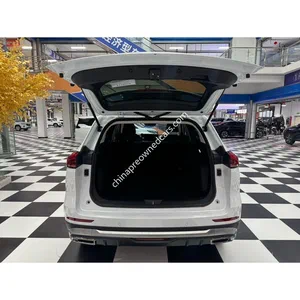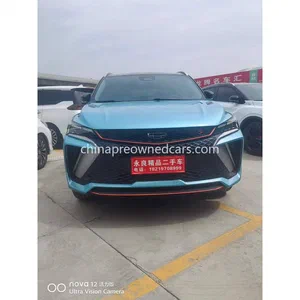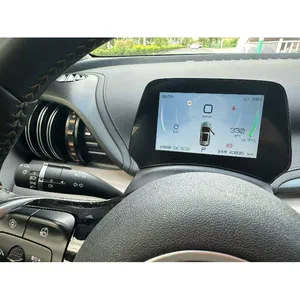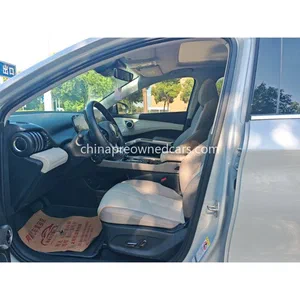
A fair price for a used car exported from China is based on its purchase cost, condition, equipment, export preparation and shipping expenses, not simply its advertised selling price. For buyers in Ghana, Nigeria, Kenya, Uganda and Tanzania, the right comparison is the total landed cost of a vehicle against its expected resale value and local market demand.
Chinese used SUVs are gaining attention among West African vehicle buyers as preferences broaden beyond established European and Japanese brands. Models such as the BYD Atto 3, Chery Tiggo 7 Plus, Chery Tiggo 8 Pro, Geely Coolray and Haval H6 offer alternatives across electric and conventional SUV segments. Their price positioning depends on model year, trim, mileage, condition and powertrain. A buyer assessing a fair price for used car exports should compare vehicles with similar specifications rather than treating every SUV in the same category as equivalent. Equipment differences can have a meaningful effect on resale value.
Market preferences also vary between destinations. In Ghana and Nigeria, buyers often compare Chinese SUVs with familiar Japanese and European alternatives, considering purchase cost, parts availability, fuel consumption and resale prospects. The Haval H6 and Geely Coolray compete in segments where established brands already have strong recognition. Chery models provide additional choices for buyers seeking larger SUVs or more equipment at a competitive price. In Kenya, Uganda and Tanzania, operating costs, road conditions and access to servicing also influence purchasing decisions. Lower initial cost can attract attention, but buyers still need to consider the practical cost of maintaining the vehicle after arrival.
Electric vehicles introduce a different pricing calculation. The BYD Atto 3 appeals to buyers interested in reducing dependence on petrol, particularly where charging access is improving. However, its export value cannot be assessed using mileage and exterior condition alone. Battery state of health, charging performance, battery capacity and available diagnostic records should be reviewed before purchase. Charging infrastructure remains uneven across African markets, making local usage patterns important. Conventional SUVs such as the Haval H6, Geely Coolray and Chery Tiggo models may suit buyers who prefer familiar refuelling arrangements. Hybrid availability and exact powertrain specifications should also be confirmed for each individual vehicle.

Vehicle condition is another major pricing factor. Two examples of the same model can justify different asking prices because of accident history, repainting, mechanical wear, interior condition and service records. Buyers should request current photographs, VIN details, mileage evidence and a pre-shipment inspection report. For electric vehicles, battery diagnostics deserve separate attention. Any identified repairs or missing records should be reflected in the negotiation. A lower purchase price is not necessarily better value if the vehicle requires substantial work before registration or resale. Exporters should explain the inspection scope and disclose known defects rather than treating a condition grade as a guarantee.
The final export quotation should separate the vehicle price from preparation, documentation, inland transport, port handling and international freight. China’s used vehicle exports require the appropriate export licensing, customs declaration and pre-shipment inspection. Shipping is generally arranged through RoRo or container services, depending on the vehicle, route and buyer’s requirements. Buyers should also account for destination duties, taxes, port charges and clearance expenses. Most vehicles sourced from China’s domestic market are left-hand drive, which is relevant to buyers in Ghana, Nigeria, Kenya, Uganda and Tanzania. Import rules differ by destination and may cover vehicle age, emissions, roadworthiness and steering configuration. Before payment, buyers should confirm current requirements with the relevant customs authority or a qualified local clearing agent. A transparent quotation makes these costs easier to compare and reduces the risk of unexpected expenses after shipment.
FAQ
Q: What determines a fair export price for a used Chinese SUV?
A: The main factors are model, year, trim, mileage, verified condition, export preparation and shipping costs. Buyers should compare the total landed cost with similar vehicles in the destination market.
Q: Is a cheaper used electric SUV always a better purchase?
A: No. Battery health, charging compatibility, inspection findings and local charging access affect its practical value. Buyers should request battery diagnostic information before agreeing to a price.