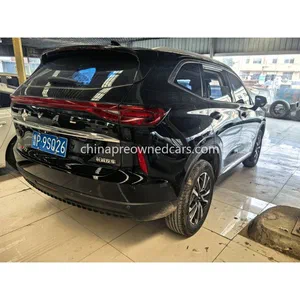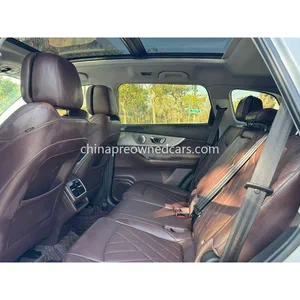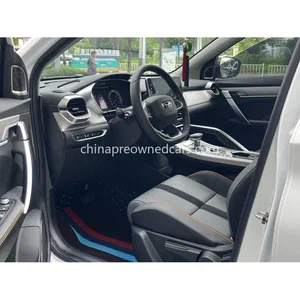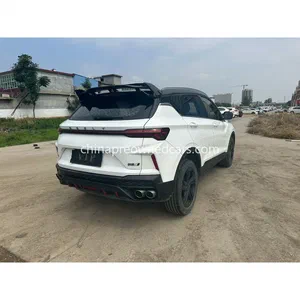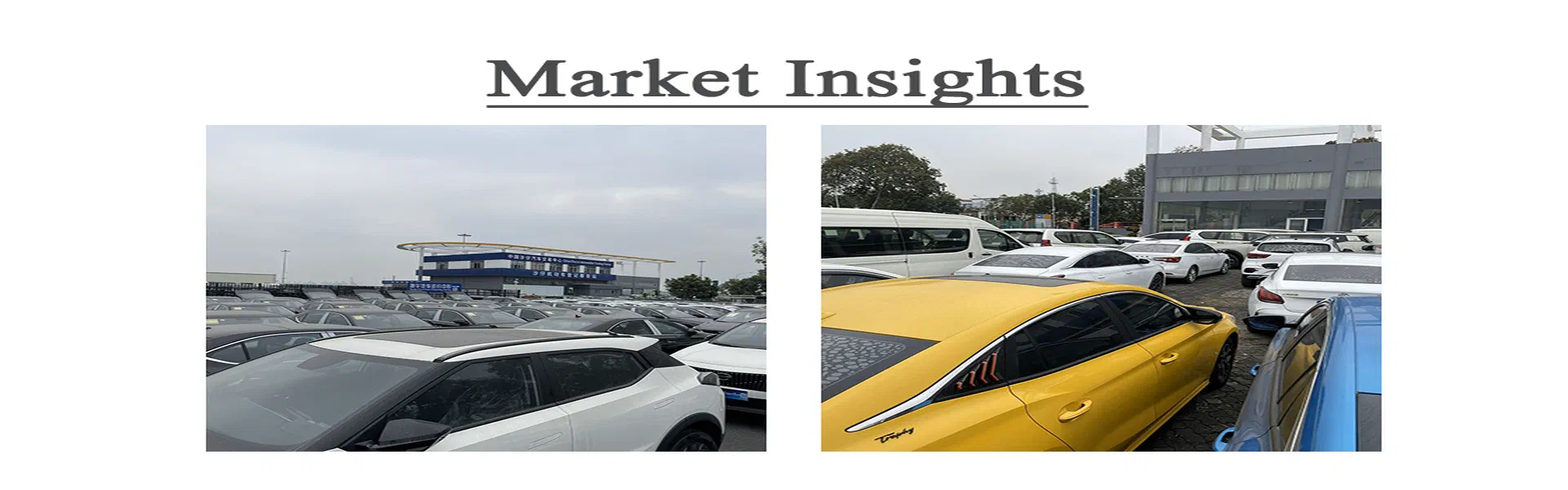
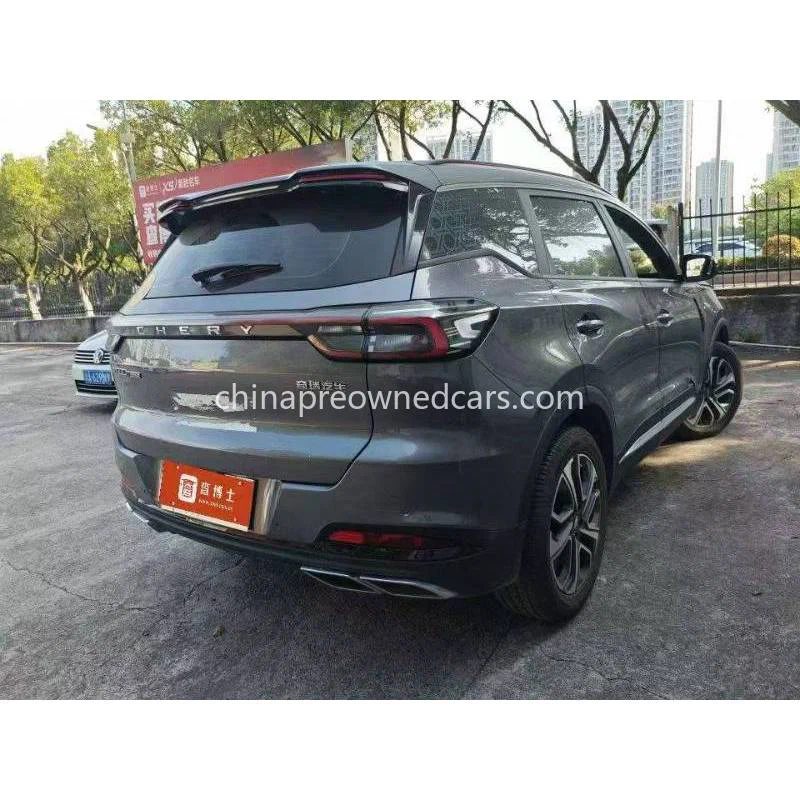
Dealer-certified used cars are pre-owned vehicles that have undergone a thorough inspection and meet specific quality standards set by the dealer or manufacturer. For importers in West and North Africa, such as those in Ghana and Nigeria, understanding this certification can help ensure you purchase reliable left-hand-drive vehicles, especially when importing from China.
When a car is dealer-certified, it typically means the vehicle has passed a detailed multi-point inspection. This includes checks on the engine, transmission, brakes, tires, and electrical systems, as well as verifying the vehicle’s mileage and service history. For importers, this translates to fewer surprises upon delivery and potentially lower maintenance costs down the line. However, while certification implies better quality, it’s essential to verify the documentation provided, including the inspection report and warranty (if any), before finalizing your purchase.
For African importers, understanding the landed cost is crucial. Dealer-certified vehicles often come with a slightly higher upfront price due to the added quality assurance. When calculating the total cost, include shipping (whether RoRo or container), import duties, port clearance fees, and any associated taxes. In countries like Ghana and Nigeria, import duties vary based on the engine size, vehicle age, and fuel type, so factor these into your procurement budget. Opting for CIF terms can simplify cost estimation, as it includes the shipping cost to your designated port.
Shipping methods also play a role in maintaining the quality of dealer-certified vehicles during transit. RoRo (Roll-on/Roll-off) is a cost-effective option for bulk shipments, but container shipping offers better protection against potential damage during sea transport. Whichever method you choose, ensure proper documentation, including the bill of lading and vehicle inspection certificates, is in order to avoid delays during port clearance.
FAQ
Q: Are dealer-certified used cars always more expensive than non-certified ones?
A: Yes, dealer-certified cars generally cost more due to the inspection process and added assurance of quality. However, the long-term benefits often outweigh the higher upfront cost.
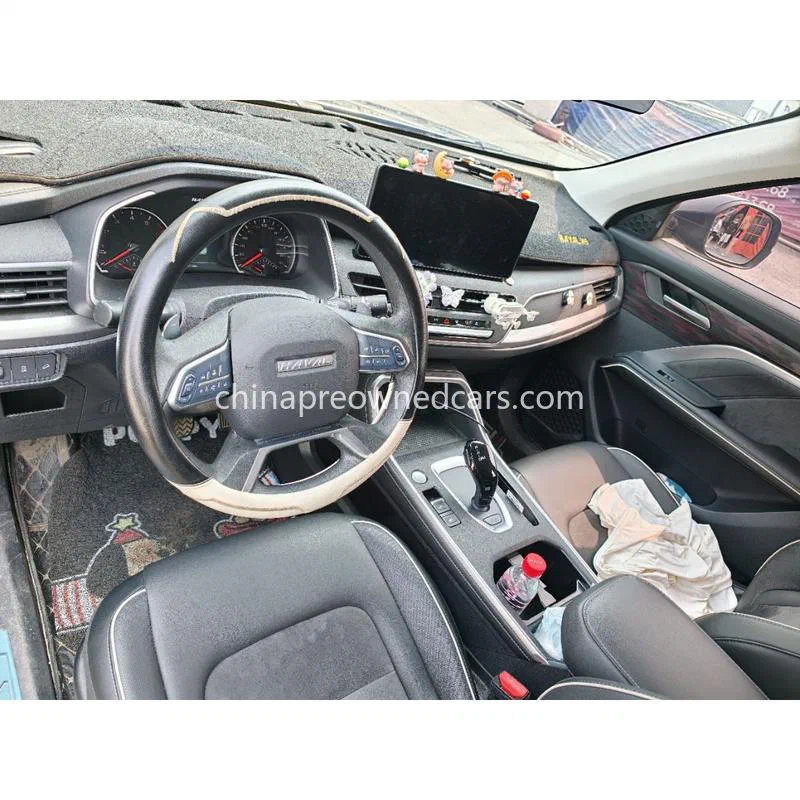
Q: How can I verify the certification of a used car from China?
A: Request the inspection report, service history, and any warranty details. Always cross-check the vehicle’s documents for authenticity and completeness.
Q: What’s the best shipping method for dealer-certified cars to Africa?
A: Container shipping offers better protection during transit, but RoRo is a more affordable option for larger shipments. Choose based on your budget and priorities.