
Condition grades for second-hand cars under $10,000 should describe evidence, not just appearance. For buyers in Ghana, Nigeria, Kenya, Uganda, and Tanzania, the grade affects repair risk, resale prospects, and the practical cost after shipping. Search terms such as “second hand cars 10000” often hide major differences in service history and mechanical condition.
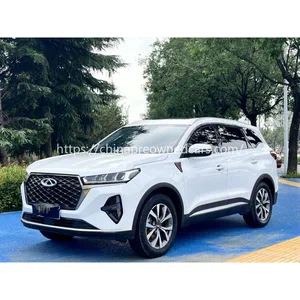
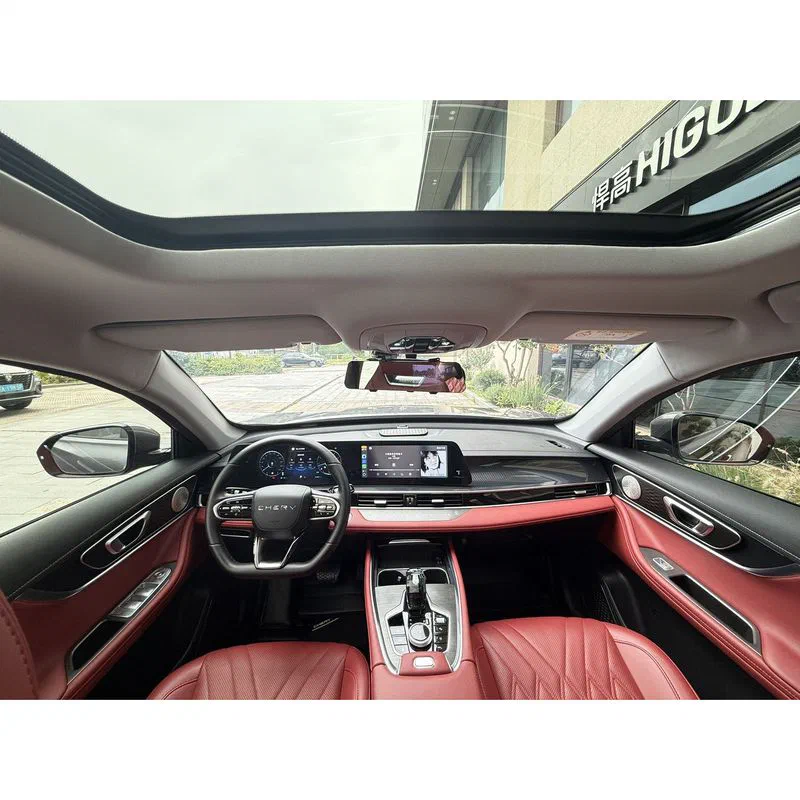
Chinese SUVs are gaining attention in this price segment because models such as the Geely Coolray, Haval H6, and Chery Tiggo 7 Plus can offer newer cabin layouts and equipment than similarly priced European alternatives. Japanese vehicles still benefit from established parts networks and buyer familiarity, while older European vehicles may offer strong comfort but carry higher electronic or maintenance costs. Demand is shifting toward vehicles with clear records, usable ground clearance, and manageable running costs rather than the lowest advertised figure.
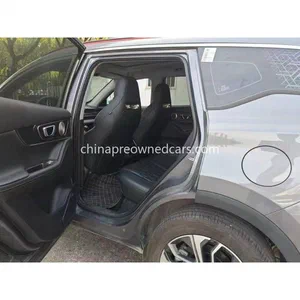
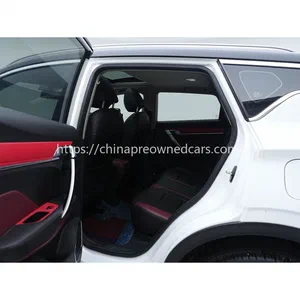
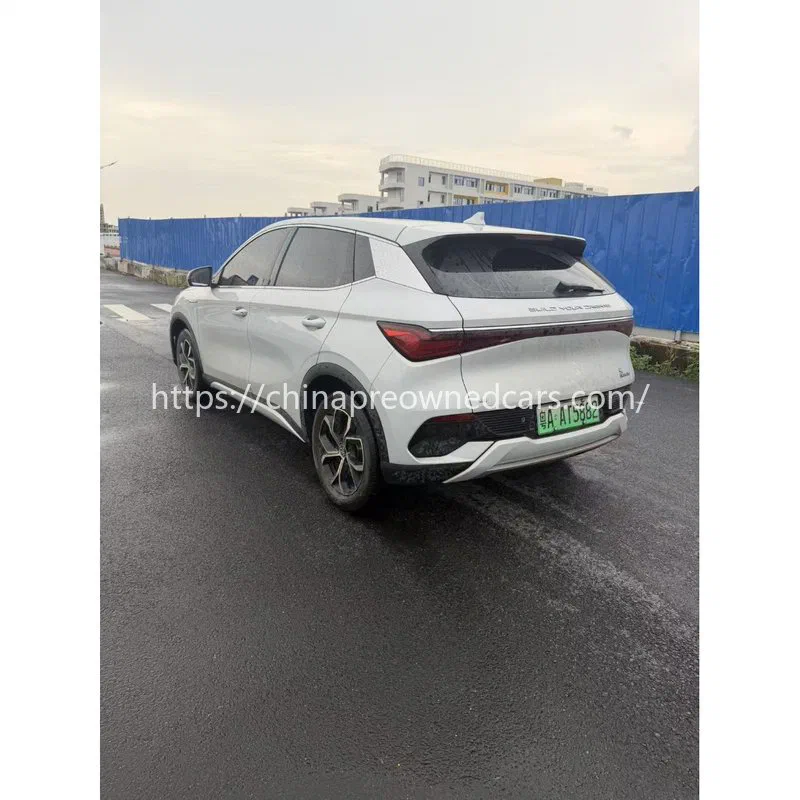
A useful condition grade separates several factors. Cosmetic grading covers paint, dents, glass, trim, seats, and wheel damage. Mechanical assessment includes engine or motor operation, transmission response, steering, suspension, brakes, air conditioning, lights, and warning systems. Mileage should be checked against dashboard records, service invoices, inspection data, and wear on pedals and seats. A low mileage reading without supporting history is not a quality grade. For the BYD Atto 3, battery state of health, charging performance, fault codes, and battery casing condition require separate review.

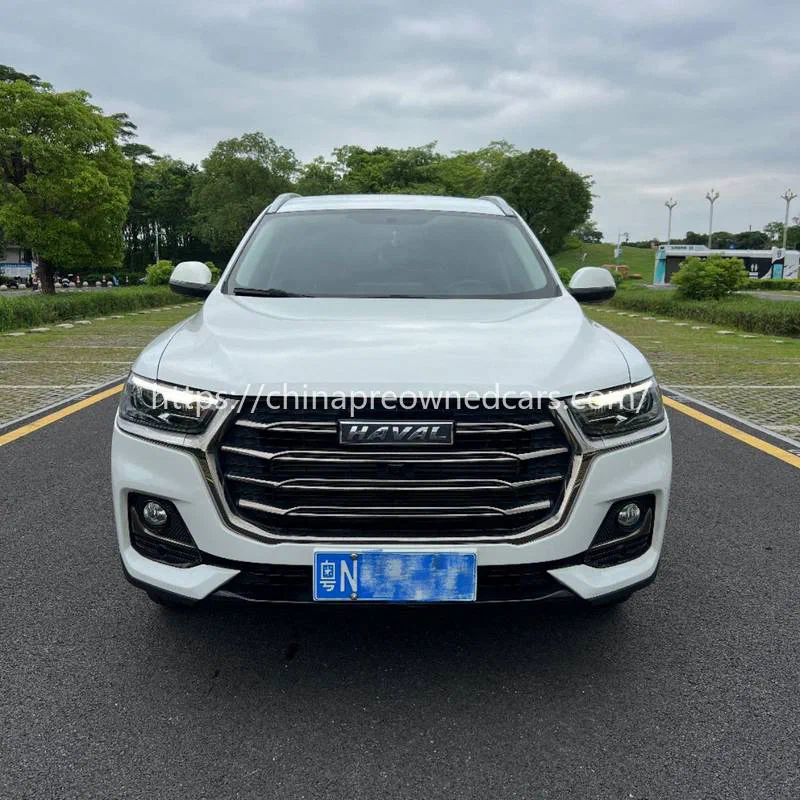
“Export-grade” usually means the vehicle has passed the exporter’s stated inspection and is suitable for shipment after required preparation. “Dealer-grade” may indicate a cleaner presentation or stronger retail appeal, but neither term is a universal certification. Buyers should request the VIN, dated photographs, cold-start video, diagnostic scan, underbody images, tire measurements, and service documentation. Pre-shipment inspection can identify visible damage, operating faults, identity inconsistencies, and safety concerns. It cannot guarantee future reliability, reveal every intermittent fault, or replace an independent technical assessment.
Red flags include uneven panel gaps, mismatched paint, flood residue, corrosion beneath carpets, airbag warning lights, unexplained tire wear, overheating, transmission delay, and repeated diagnostic faults. Hybrid systems also need checks on battery cooling, charging behavior, and system warnings; combustion vehicles require attention to oil leaks, cooling systems, turbochargers, and emissions equipment. Market fit matters as well. Most Chinese domestic vehicles are left-hand drive, which may restrict use or resale in right-hand-drive environments unless a suitable specification is sourced. Import rules on vehicle age, emissions, roadworthiness, and drive side must be confirmed for the destination before payment.
The condition file should match the vehicle shipped. Export licensing, customs declaration, and pre-shipment inspection are required before dispatch, followed by commercial invoices, packing or shipping documents, ownership records, and other destination paperwork. RoRo shipping generally suits running vehicles that can be driven onto the vessel, while containers may provide different loading flexibility and protection. Buyers should clarify the inspection scope, payment milestones, shipping estimate, port charges, and after-sales process in writing. A clear condition report is more useful than a broad grade alone.
FAQ
Q: Does a higher condition grade guarantee a trouble-free vehicle?
A: No. It records observed condition at inspection and should be supported by diagnostic results, service records, and photographs. Future faults cannot be ruled out.
Q: What should be checked before importing a used Chinese SUV?
A: Verify the VIN, drive side, condition report, service history, battery health where applicable, and current import rules for the destination. Confirm shipping documents, inspection arrangements, and total port-related charges before payment.