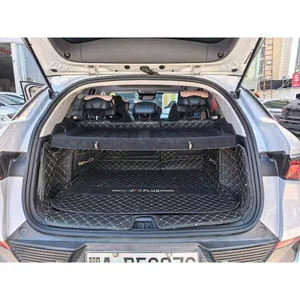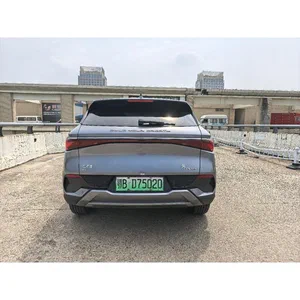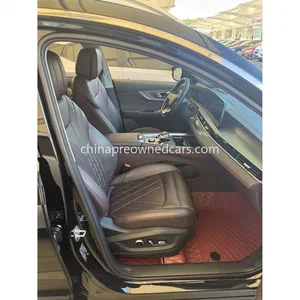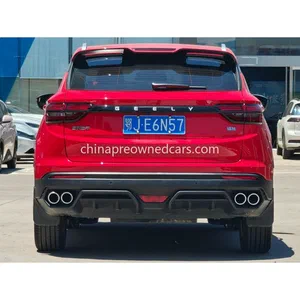
Importing a used car from China involves more than selecting a model and agreeing on a purchase price. For buyers in Ghana, Nigeria, Kenya, Uganda and Tanzania, the export process includes vehicle inspection, documentation, customs clearance and international shipping. Each stage affects the final landed cost, delivery schedule and condition of the vehicle when it reaches the destination port.
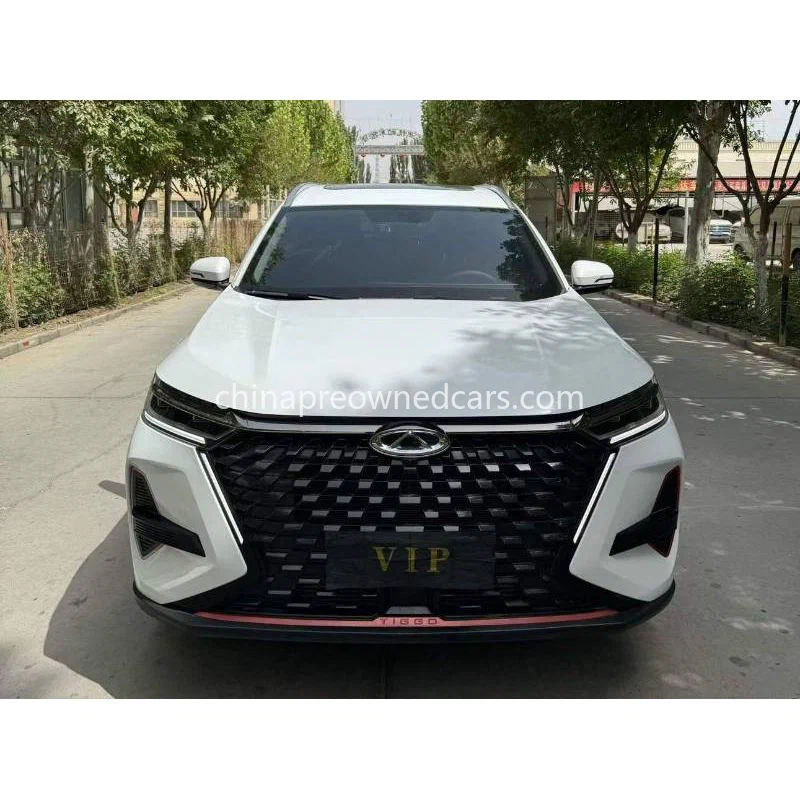
Chinese used SUVs are gaining attention in West African markets, particularly among buyers comparing newer Chinese-brand vehicles with established European and Japanese alternatives. Models such as the BYD Atto 3, Chery Tiggo 7 Plus, Chery Tiggo 8 Pro, Geely Coolray and Haval H6 cover different purchasing priorities. The BYD Atto 3 attracts interest from buyers considering electric mobility, while the Chery Tiggo 7 Plus and Geely Coolray appeal to customers looking for compact SUVs. The Tiggo 8 Pro offers a larger vehicle format, and the Haval H6 competes in the family SUV segment. Japanese and European used vehicles benefit from established recognition and familiar service networks. Chinese alternatives can offer more recent model years and contemporary equipment at competitive used-vehicle price positions. However, purchase price alone does not determine value. Parts availability, technician experience, fuel or electricity costs and resale demand all influence the buying decision. In Ghana and Nigeria, importers also need to consider whether local customers prefer conventional petrol vehicles, hybrids or fully electric models. Demand for electric SUVs is developing, but charging access and battery servicing remain important purchasing considerations. For the best used car buyers, comparing the vehicle’s specification against local operating conditions is more useful than choosing solely by brand reputation.
The export workflow normally begins with vehicle selection and verification in China. Before payment is finalized, the buyer should receive the vehicle identification number (VIN), available ownership and registration records, mileage information and recent photographs. An independent inspection should examine the exterior body, paintwork, structural areas, undercarriage, tyres, brakes, suspension, engine and transmission where applicable. Electronic systems, warning lights, air conditioning and safety equipment also require attention. For the BYD Atto 3, battery state of health, charging performance and available battery diagnostic records deserve particular attention. Hybrid vehicles require checks of both their combustion and electric systems. A condition report should identify existing damage and distinguish visible wear from mechanical concerns. Pre-shipment inspection is a separate export-control stage where applicable. The exporter must arrange the required inspection and obtain the relevant clearance or certification under current Chinese export procedures. Buyers should confirm which inspection documents are required for their shipment and destination rather than assume that a general condition report replaces an official inspection. VIN details should match across the vehicle, inspection records and export paperwork.

Once the vehicle passes the required checks, the exporter prepares the documentation and customs declaration. China’s used vehicle exports require the appropriate export licensing, customs procedures and pre-shipment inspection. The export file commonly includes the commercial invoice, sales contract, vehicle details, customs declaration information and certificate of origin where required. After loading and vessel departure, the shipping line issues a bill of lading. This document records the shipment and is needed for cargo release at the destination. Names, VIN numbers, consignee details and port information must be checked carefully before documents are finalized. Even small discrepancies can delay clearance. Shipping generally uses either Roll-on/Roll-off (RoRo) or container transport. RoRo is suitable for vehicles that can be driven onto and off the vessel, with loading arrangements designed for vehicle cargo. It can be economical for standard vehicles, although exposure during port handling and vessel operations should be considered. Container shipping provides an enclosed transport environment and may suit higher-value vehicles or shipments requiring additional protection. It can involve higher handling and packing costs, and loading procedures must prevent movement during transit. The appropriate method depends on the vehicle, shipping route, insurance arrangements and available vessel services.
Port handling begins before the vessel arrives. The exporter or appointed shipping agent coordinates loading records, shipping instructions and the release of the bill of lading. After departure, transit time depends on the sailing schedule, route, transshipment arrangements and port congestion. Buyers should distinguish vessel transit from the full export-to-delivery period, which also includes inspection, customs processing, loading, discharge and destination clearance. A typical shipment may take several weeks from preparation to arrival, but no single lead time applies to every route. At the destination, local customs authorities assess the import declaration, vehicle documentation, applicable duties and regulatory compliance. Ghana, Nigeria, Kenya, Uganda and Tanzania have different rules covering vehicle age, emissions, roadworthiness and import eligibility. Most vehicles sourced from China’s domestic market are left-hand drive. This is an important restriction for destinations requiring right-hand-drive vehicles, unless suitable units are specifically sourced. Before confirming an order, buyers should obtain current guidance from a local customs agent on vehicle eligibility, taxes and registration requirements. For Chinese used vehicle exporters such as chinapreownedcars.com, coordinating inspection, export documents and shipping helps buyers manage the China-side process, while destination clearance arrangements should be agreed before shipment.
FAQ
Q: What documents are needed to import a used car from China?
A: Common documents include the commercial invoice, sales contract, customs declaration, certificate of origin where required and bill of lading. Additional inspection and import documents depend on the destination country’s current regulations.
Q: Is RoRo or container shipping better for used cars?
A: RoRo can be more economical for standard vehicles, while container shipping offers an enclosed transport environment and may suit higher-value vehicles. The decision should account for shipping costs, handling arrangements, insurance and vehicle protection.