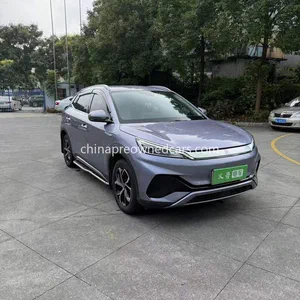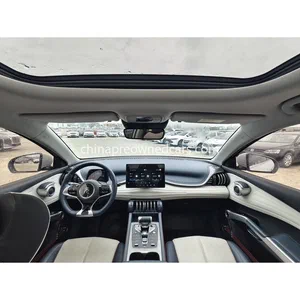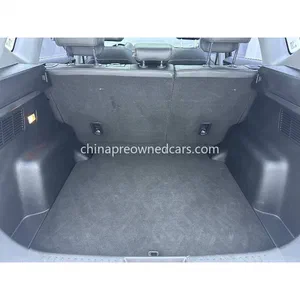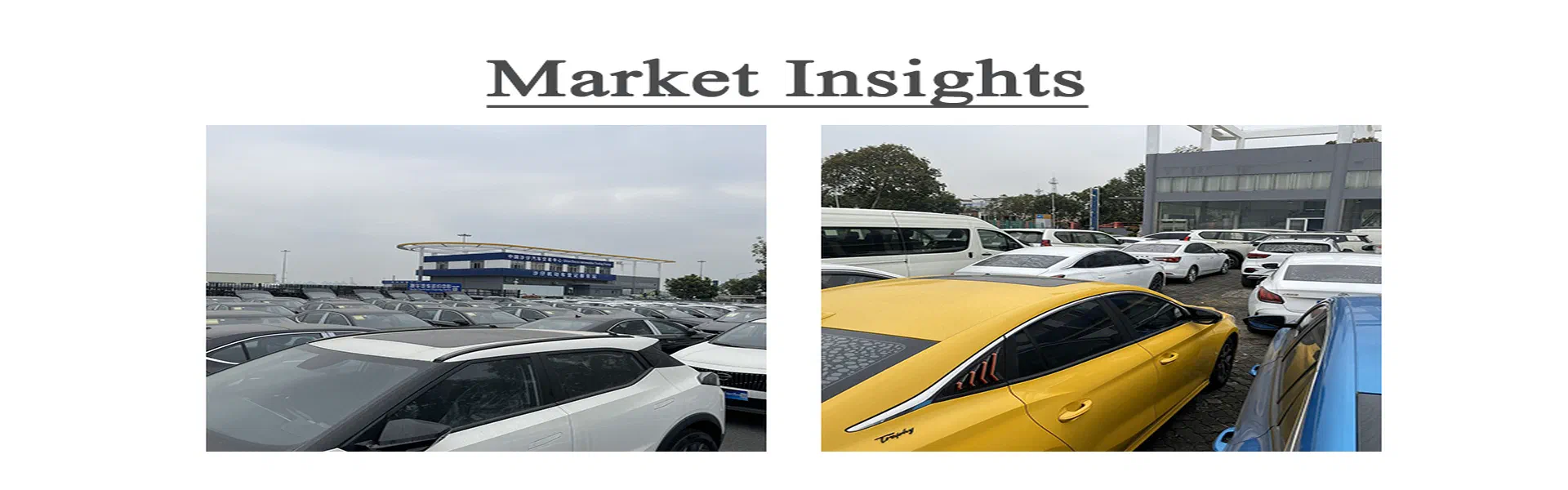

The difference between used and certified used cars matters most when a vehicle must meet the practical demands of an African import market. For buyers in Ghana, Nigeria, Kenya, Uganda, and Tanzania, certification can provide additional inspection evidence, but it does not automatically establish that a vehicle is suitable for local roads, climate, fuel or charging infrastructure, and import regulations. The purchasing decision should be based on verified vehicle condition and destination-specific requirements rather than the label alone.
Understanding the Difference in an Export Transaction
A used car is a previously owned vehicle offered for resale. Its condition depends on maintenance, accident history, mileage, storage, and previous operating conditions. A certified used car has generally undergone an inspection against a defined checklist, sometimes supported by a limited warranty or other dealer commitments. However, certification standards vary between sellers and markets. There is no single international certification standard that applies to every Chinese used vehicle exported to Africa.
For overseas buyers, the difference between used and certified used cars is therefore a question of evidence. A certification document is useful only when its inspection scope, issuing party, date, and exclusions are clear. Buyers should establish whether the inspection covers the engine, transmission, suspension, braking system, electrical equipment, structural repairs, and diagnostic fault codes. For electric and hybrid vehicles, the assessment should also address battery state of health, charging performance, and high-voltage system condition. An inspection conducted before export cannot replace checks on arrival or guarantee future mechanical performance.
The distinction also affects price positioning. European and Japanese used vehicles have established recognition in many African markets, supported by familiar parts channels and independent repair experience. Chinese brands compete through newer vehicle designs, equipment levels, and access to electric and hybrid technology. A certified unit may command a higher asking price, but that premium is difficult to justify if the inspection report is incomplete or does not address destination-market requirements. Buyers should compare the actual specification and documented condition rather than assuming certification always represents better value.
What African Import Markets Require
Ghana and Nigeria illustrate why export suitability must be assessed separately from vehicle condition. Both markets have established demand for imported SUVs, with buyers considering purchase cost, maintenance access, road clearance, cabin space, and resale prospects. However, their import procedures and applicable restrictions are not identical. Vehicle age, emissions, documentation, customs valuation, and other entry conditions must be checked against current national rules before a purchase is confirmed. Import duties and associated charges also affect the landed cost, so an attractive purchase price in China does not necessarily translate into a competitive local selling price.
Kenya, Uganda, and Tanzania require the same careful approach to market-specific compliance. Importers should verify permitted vehicle age, applicable inspection procedures, emissions requirements, roadworthiness rules, and customs documentation with the relevant authorities or a qualified local clearing agent. Drive side is another important consideration. Most vehicles sourced from China’s domestic market are left-hand drive. This limits their suitability for markets where right-hand-drive vehicles are required or preferred under current regulations. Buyers should confirm whether a particular LHD vehicle can legally be registered before arranging payment and shipment.
Road and climate conditions influence purchasing decisions beyond regulatory compliance. Uneven road surfaces, potholes, unpaved routes, heavy rainfall, dust, and high temperatures can increase demands on suspension components, tyres, cooling systems, seals, and air conditioning. SUV ground clearance and underbody condition deserve particular attention. The Chery Tiggo 8 Pro offers a larger cabin and three-row seating configuration, which may appeal to buyers serving family or passenger transport demand. The Haval H6 provides a conventional SUV format with a focus on everyday passenger use. Neither model should be selected on body style alone; suspension condition, tyre specification, maintenance history, and available replacement parts remain important.
Matching Chinese Inventory to Buyer Demand
The current export range includes the BYD Atto 3, Chery Tiggo 7 Plus, Chery Tiggo 8 Pro, Geely Coolray, and Haval H6. These models address different buyer priorities. The BYD Atto 3 is a battery-electric SUV, making it relevant to buyers assessing lower routine energy costs and access to electric mobility. Its suitability depends heavily on charging availability, battery condition, local electricity reliability, and access to technicians familiar with high-voltage systems. Battery state of health should be supported by diagnostic evidence rather than inferred from the dashboard range alone.
The Chery Tiggo 7 Plus and Geely Coolray offer alternatives for buyers seeking compact or midsize SUV proportions, while the Tiggo 8 Pro serves customers who need additional passenger capacity. The Haval H6 occupies a familiar family-SUV category. Buyers comparing these Chinese models with Japanese or European alternatives should consider the total ownership cost, not just the purchase price. Established brands may benefit from broader local parts availability in some locations, while Chinese models can offer newer equipment at a different price position. The actual advantage depends on the local distributor network, independent repair capability, and availability of model-specific components.
Powertrain choice requires particular care. Electric vehicles may suit urban operations where charging access is dependable and daily travel patterns are predictable. They are less straightforward for buyers whose vehicles regularly cover long distances between towns without reliable charging points. Hybrid vehicles can reduce dependence on charging infrastructure, although their maintenance requirements still need assessment. Conventional petrol SUVs remain relevant where fuel access and independent workshop familiarity influence purchasing decisions. Buyers should also investigate local fuel quality and the manufacturer’s maintenance requirements before choosing a particular powertrain.

Certification is only one part of the export process. Chinese used vehicle exports require the appropriate export licensing, customs declaration, documentation, and pre-shipment inspection. Buyers should request the vehicle identification number, ownership and registration records, inspection findings, available service history, and a written specification before approving a transaction. The exporter’s inspection scope should be agreed in advance, including any additional checks required for the destination market. For electric vehicles, battery assessment and transport arrangements need separate attention.
Shipping arrangements also affect the final buying decision. Roll-on/roll-off (RoRo) shipping generally involves driving eligible vehicles onto a vessel, while container shipping places vehicles inside a freight container. RoRo can be suitable for standard vehicles and established vehicle routes, whereas containers may offer additional protection and allow different loading arrangements. Availability, port handling, cargo restrictions, and total freight charges determine which option is appropriate. Buyers should confirm the shipping method, insurance arrangements, destination port charges, estimated transit window, and responsibility for customs clearance in the sales agreement. Payment milestones should be linked to documented transaction stages rather than unsupported promises about vehicle condition or arrival dates.
Making the Purchase Decision
For importers in Ghana and Nigeria, a conventional SUV may remain attractive where local repair networks and fuel availability support continued use. In Kenya, Uganda, and Tanzania, buyers should place particular emphasis on registration eligibility, drive-side compliance, and the practical availability of parts and servicing. Electric SUV purchases require an additional assessment of battery condition and charging access in every destination. A vehicle that performs well in China’s domestic market is not automatically a suitable import for another country.
The most useful comparison is between the complete cost and risk profiles of individual vehicles. This includes the purchase price, inspection, export documentation, freight, insurance, customs charges, port handling, inland transport, and any work needed before registration. Buyers should also request clarification of after-sales support, including whether the exporter can assist with technical documentation, spare-part enquiries, or inspection records after shipment. Warranty coverage, where offered, should be checked for geographical exclusions and whether it remains valid outside China. A properly inspected used vehicle with transparent records may be a more sensible purchase than a certified vehicle carrying a premium without meaningful supporting evidence.
FAQ
Q: Is a certified used car always better for African markets?
A: No. Certification is useful when the inspection is independent, detailed, and relevant to the destination market. Actual condition, parts availability, and import eligibility matter more than the label.
Q: Are Chinese electric SUVs suitable for Ghana, Nigeria, Kenya, Uganda, and Tanzania?
A: They can be suitable where charging access, battery servicing, and vehicle registration requirements support their use. Buyers should verify battery state of health and local charging infrastructure before purchasing.
Q: Should buyers choose RoRo or container shipping for used SUVs?
A: RoRo is often suitable for standard vehicle shipments, while container shipping offers different loading and protection arrangements. The choice depends on route availability, freight costs, cargo requirements, and destination port arrangements.