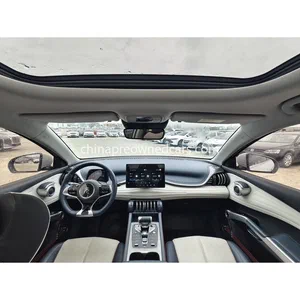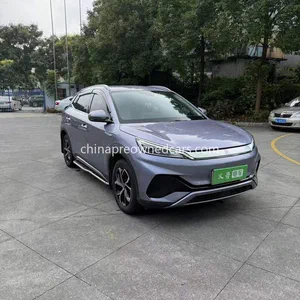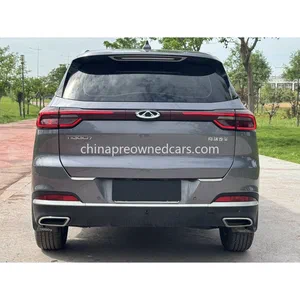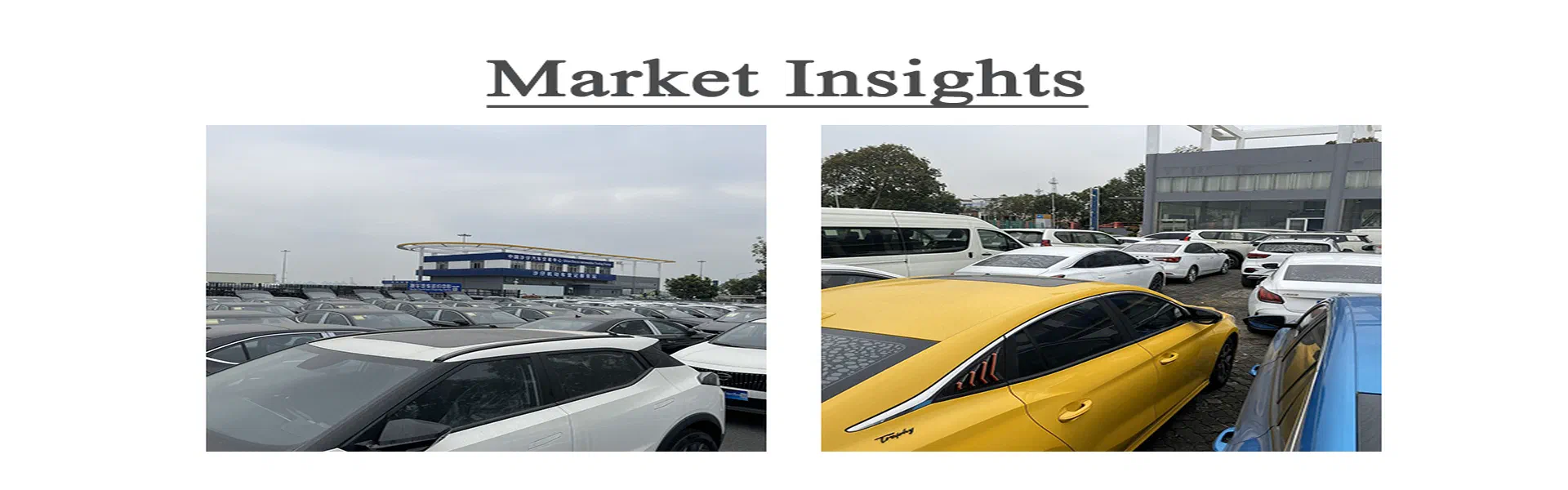
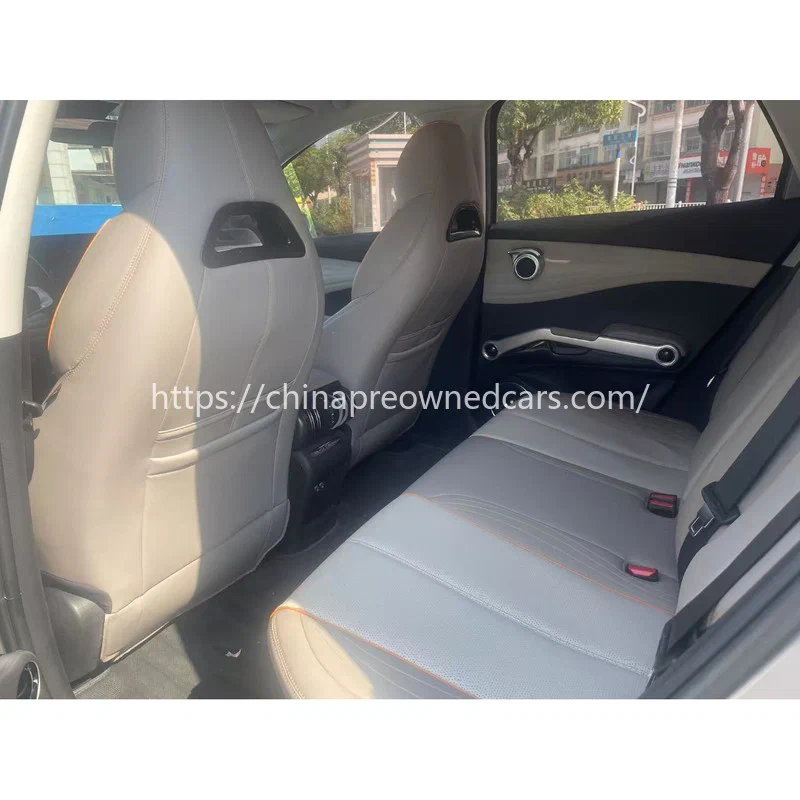
Used sports cars for African markets require more than attractive styling or performance figures. This page examines how buyers in Ghana, Nigeria, Kenya, Uganda, and Tanzania assess imported vehicles, including market demand, export suitability, and practical checks before shipment. The focus is on how Chinese pre-owned SUVs compare with other used vehicle options in these markets.
Demand for imported vehicles in African markets has shifted toward SUVs that provide higher ground clearance, flexible cabin space, and manageable running costs. While the term best sports cars under 10k used is often searched by buyers looking for affordable performance vehicles, many professional importers are comparing broader vehicle value, including Chinese SUVs that fit daily transport needs. Models such as BYD Atto 3, Chery Tiggo 7 Plus, Chery Tiggo 8 Pro, Geely Coolray, and Haval H6 are positioned around these practical requirements rather than pure sports performance.
Market preferences differ across Ghana, Nigeria, Kenya, Uganda, and Tanzania. Road conditions, climate, fuel availability, and charging infrastructure influence purchasing decisions. Electric models such as BYD Atto 3 may attract buyers interested in lower operating costs, but battery condition, charging access, and local maintenance capability need to be reviewed before purchase. Hybrid and petrol SUVs can be considered where charging networks are still developing or where long-distance use is common.
Vehicle specification matching is a key factor in export decisions. Most Chinese domestic vehicles are left-hand drive, which aligns with many markets that use right-hand traffic but may not suit purely right-hand-drive environments. Buyers should confirm local drive-side requirements, vehicle age restrictions, emission rules, and roadworthiness standards before selecting a unit. These regulations are set by each destination country and may change over time.
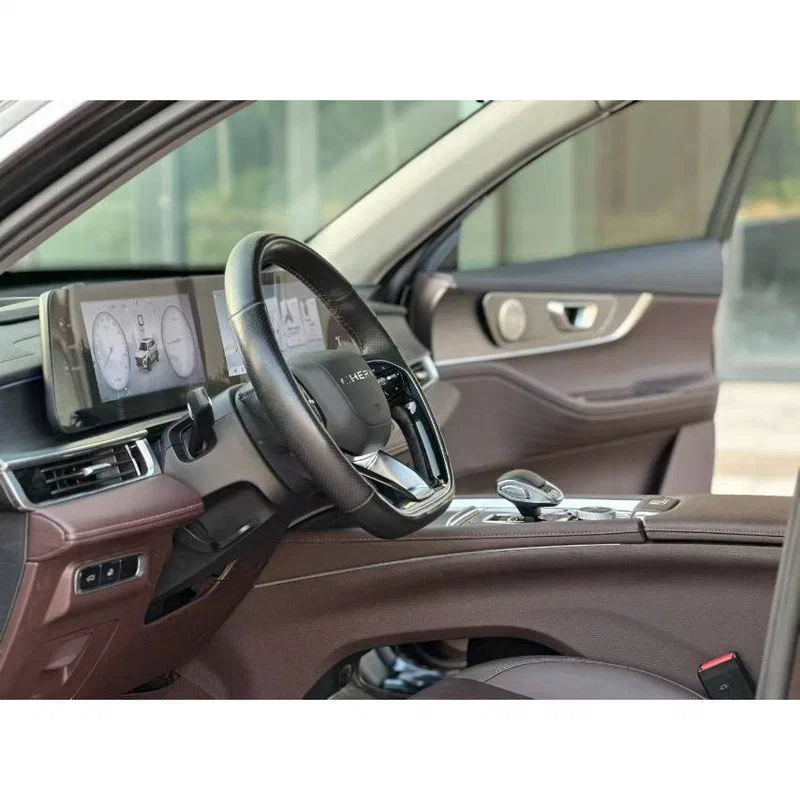
Chinese used SUVs are increasingly compared with Japanese and European alternatives in African markets because buyers are evaluating purchase price, equipment level, repair support, and availability of replacement parts. Chinese brands often provide newer technology features at competitive market positioning, while established brands may have longer local histories. The final choice depends on the buyer’s operating environment, service network, and expected ownership period.
For exporters, vehicle preparation involves several stages before a car reaches the destination port. A used vehicle should be reviewed through condition assessment, VIN verification, mechanical inspection, and documentation checks. China’s used vehicle export process requires export licensing, customs declaration, and pre-shipment inspection. Shipping options generally include RoRo transport or container shipping, depending on vehicle type, route availability, and buyer requirements. Export documents should be checked carefully before payment and shipment arrangements are finalized.
Buyers in African markets should focus on verification rather than assumptions about any used vehicle. Inspection records, mileage history, previous use, battery health for electric vehicles, and maintenance information should all be reviewed where available. Import duties, customs procedures, and local registration requirements differ by country, so importers should confirm current rules with local authorities or experienced partners. A structured purchasing process helps reduce risks when sourcing Chinese pre-owned vehicles for export.

FAQ
Q: Are Chinese used SUVs suitable for African markets? A: Chinese used SUVs can suit many African markets when their specifications match local road conditions, regulations, and service availability. Buyers should verify vehicle condition and local import requirements before purchase.
Q: What should be checked before exporting a used electric vehicle? A: Buyers should review battery health, charging compatibility, vehicle history, inspection results, and export documentation before shipment. Battery transport requirements and destination regulations should also be confirmed.