
Used vehicle condition assessment is a key part of the used car export process from China to overseas markets. This article explains how buyers can review mileage, service records, inspection results, and grading standards before completing a used car sale. It also covers how condition checks apply to Chinese-brand SUVs shipped to Africa and other destinations.
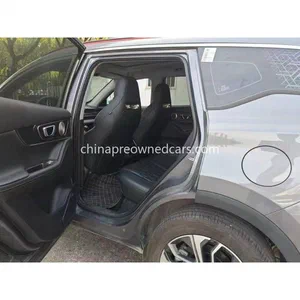
Used vehicles for export are usually evaluated through several categories rather than one single score. Cosmetic condition includes paint quality, exterior repairs, interior wear, and signs of previous use. Mechanical checks focus on engine operation, transmission performance, suspension, braking systems, electronic functions, and maintenance needs. Mileage is reviewed together with service history because a lower odometer reading alone does not prove better condition.
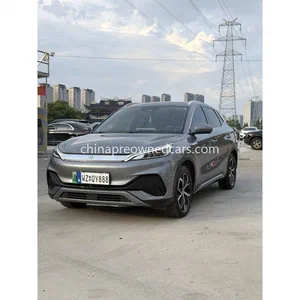
For Chinese-brand SUVs such as BYD Atto 3, Chery Tiggo 7 Plus, Chery Tiggo 8 Pro, Geely Coolray, and Haval H6, buyer interest in African markets is increasingly connected to vehicle practicality and operating costs. Ghana, Nigeria, Kenya, Uganda, and Tanzania buyers often consider fuel efficiency, parts availability, vehicle size, and local driving conditions. Newer energy models, including electric and hybrid SUVs, are gaining attention, while conventional SUVs remain important where charging infrastructure is still developing.
How export-grade condition is assessed
Export-grade or dealer-grade does not mean a vehicle is new or free from previous use. These terms generally describe vehicles selected after inspection according to export requirements and buyer expectations. A proper assessment should record visible defects, maintenance status, accident repair history where available, and any items requiring attention before shipment.
A pre-shipment inspection normally covers identity verification, exterior and interior checks, mechanical condition, electrical systems, and for electric vehicles, battery-related information. Battery state of health is an important review item for used EVs because battery performance affects driving range and long-term ownership costs. The inspection process can identify observable issues, but it cannot remove all uncertainty about future repairs or hidden problems.

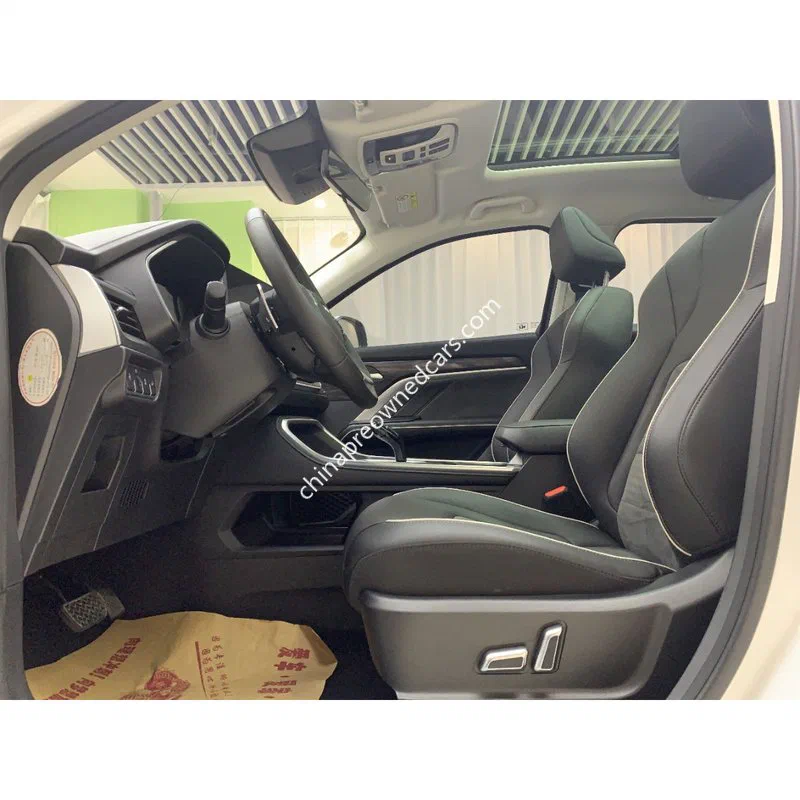
Mileage bands help buyers compare vehicles, but mileage should be checked against other evidence. Service records, maintenance invoices, vehicle history information, and VIN verification provide a clearer picture of past use. Missing records, inconsistent mileage information, unusual interior wear compared with the stated mileage, or unclear repair history are warning signs that require further review before purchase.
Market considerations for used Chinese SUVs
Demand for Chinese used SUVs in West Africa is shaped by changing buyer preferences. Many buyers previously focused mainly on established European and Japanese used vehicles, but Chinese brands have expanded choices with modern designs, competitive specifications, and more available electric and hybrid options. The final purchasing decision still depends on local repair networks, import conditions, and total ownership considerations.
Export buyers should confirm destination requirements before shipment. China’s used vehicle exports involve export licensing, customs declaration, pre-shipment inspection, and shipping arrangements. Vehicles are commonly transported by RoRo shipping or loaded into containers depending on the vehicle type, route, and buyer requirements. Import rules in Ghana, Nigeria, Kenya, Uganda, and Tanzania may differ regarding vehicle age, emissions, drive side, and roadworthiness, so current local regulations need to be checked before ordering.
Most vehicles sourced from China are left-hand drive. This suits many markets but may not meet the requirements of countries or regions where right-hand-drive vehicles are required. Buyers should confirm drive-side rules before selecting a vehicle. For electric and hybrid vehicles, battery transport procedures and local charging conditions should also be reviewed as part of the purchase planning.
A reliable export transaction depends on document review as much as vehicle inspection. Buyers should request available inspection information, vehicle specifications, export documents, and shipping details before final payment arrangements. Payment terms, customs clearance responsibilities, and after-sales support should be clearly defined between the exporter and buyer to reduce misunderstandings during international trade.
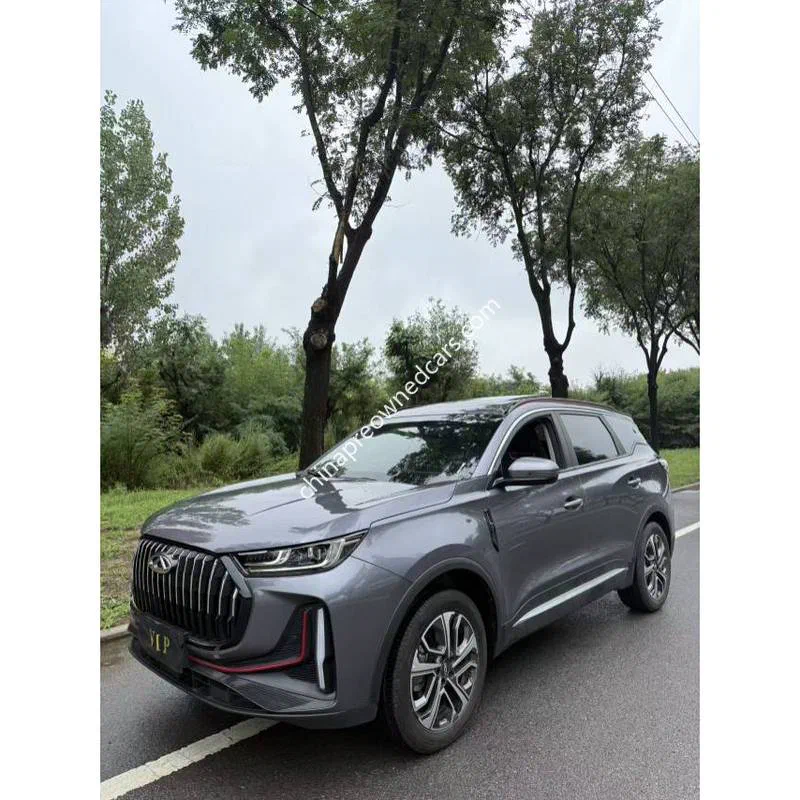
Vehicle condition assessment remains a practical filter for selecting suitable units from China’s domestic used vehicle market. Careful verification of mileage, service history, inspection findings, and destination requirements allows importers to make decisions based on documented information rather than appearance alone.
FAQ
Q: What does an export-grade used vehicle mean? A: Export-grade usually refers to a used vehicle selected and inspected for overseas sale requirements. It does not mean the vehicle is new or guaranteed to have no previous repairs.
Q: Why is battery health important for used electric SUVs? A: Battery state of health affects range, performance, and future maintenance planning. Buyers should review available battery information before purchasing a used EV.
Q: Can inspection reports guarantee a vehicle condition? A: No. An inspection can confirm observable conditions at the inspection time, but buyers should also review records and understand that future repairs cannot be predicted completely.