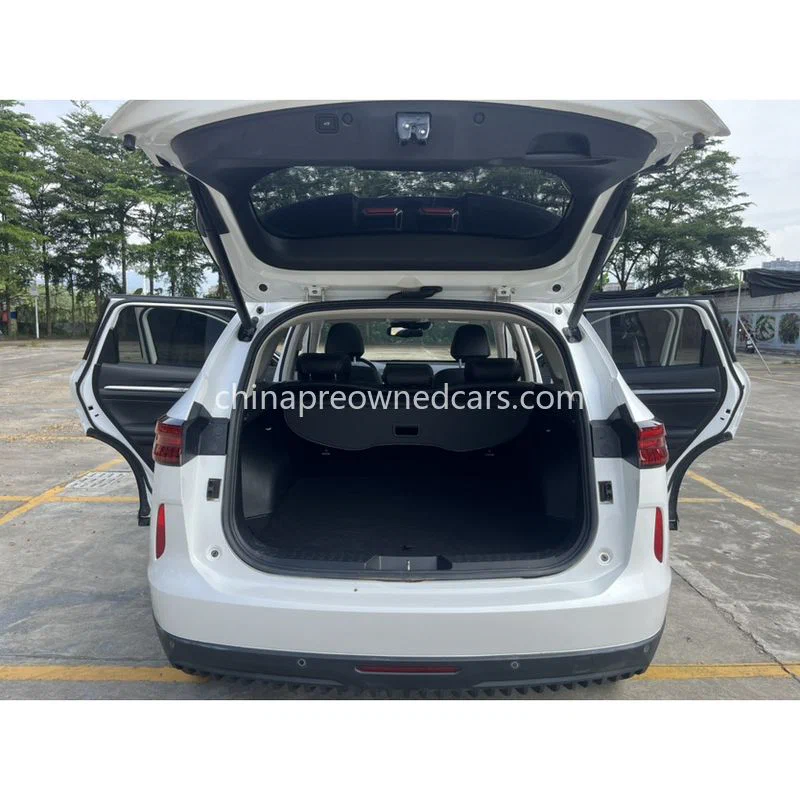
Chinese used car exports to West Africa involve more than vehicle selection. This page reviews the workflow from sourcing and inspection to customs clearance, shipping, and port handling for Chinese-brand SUVs and new energy vehicles. It also examines buying trends in markets such as Ghana, Nigeria, Kenya, Uganda, and Tanzania.
Export workflow and inspection stages
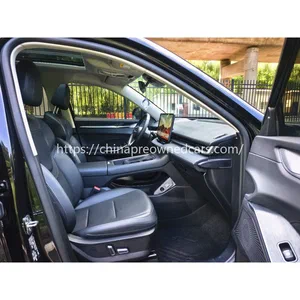
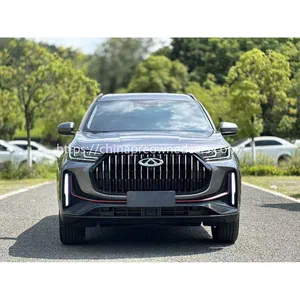
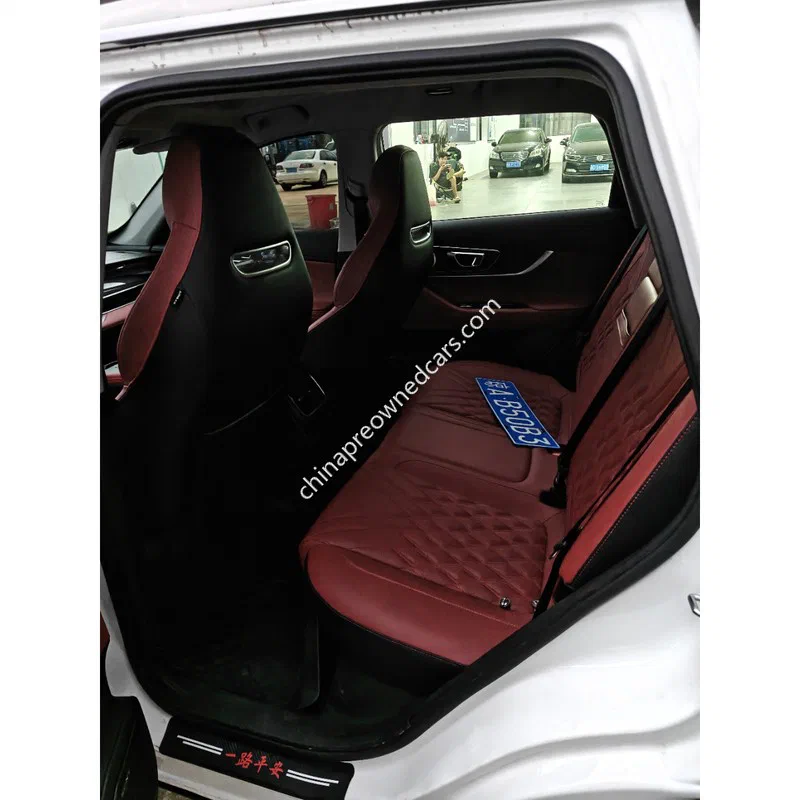
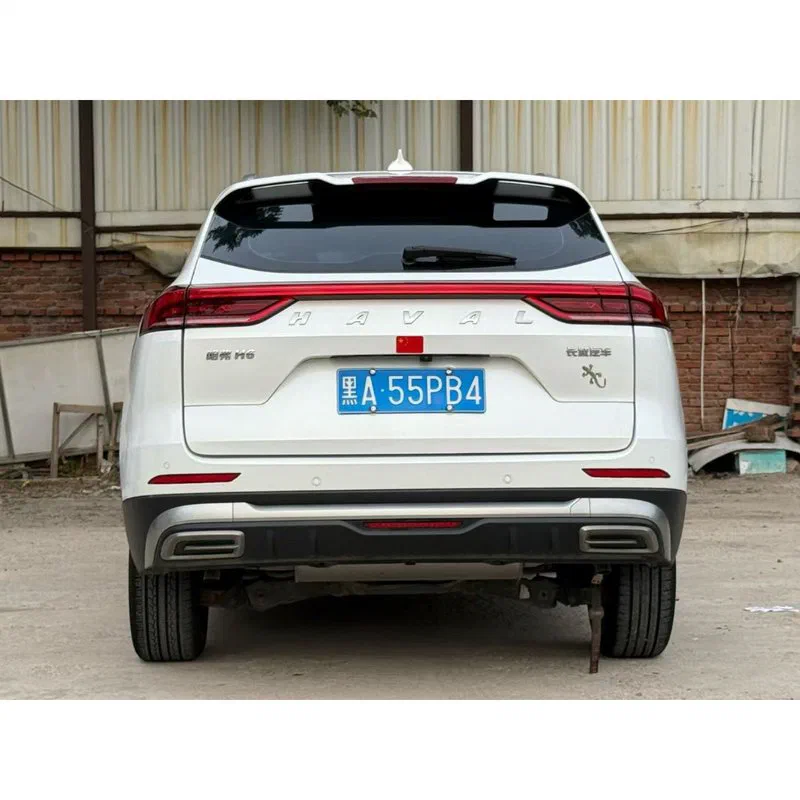
Chinese pre-owned SUVs are increasingly considered by buyers comparing alternatives from Japan and Europe. Models such as BYD Atto 3, Chery Tiggo 7 Plus, Chery Tiggo 8 Pro, Geely Coolray, and Haval H6 attract attention because they combine modern equipment with pricing that can fit different import strategies. A used car review for export should focus on service records, vehicle condition, technology support, and suitability for local operating conditions rather than appearance alone.
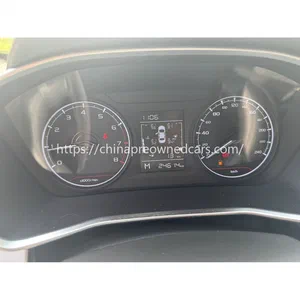
Before shipment, exporters arrange pre-shipment inspection to assess key vehicle areas. The process usually covers exterior condition, interior condition, mechanical operation, safety systems, mileage records, VIN verification, and for electric vehicles, battery health checks. Inspection results help buyers understand the vehicle condition grade and identify items that may require attention before export. Required certification and inspection documents depend on export procedures and destination requirements.

Export documentation is prepared after the vehicle passes the required checks. Common documents include export license-related paperwork, customs declaration records, bill of lading, and certificate of origin where applicable. Customs clearance requires accurate vehicle information, ownership records, and compliance documents. Errors in specifications, identification numbers, or paperwork can delay port processing, so document review is an important stage before loading.
Shipping methods and market considerations
Vehicle shipping from China usually uses RoRo vessels or container shipping. RoRo is often selected for suitable vehicles because cars can be driven onto the vessel, reducing handling steps. Container shipping provides more protection from external exposure and may suit smaller shipments or buyers who need combined cargo arrangements. The choice depends on shipment size, destination port conditions, cost considerations, and the level of protection required.
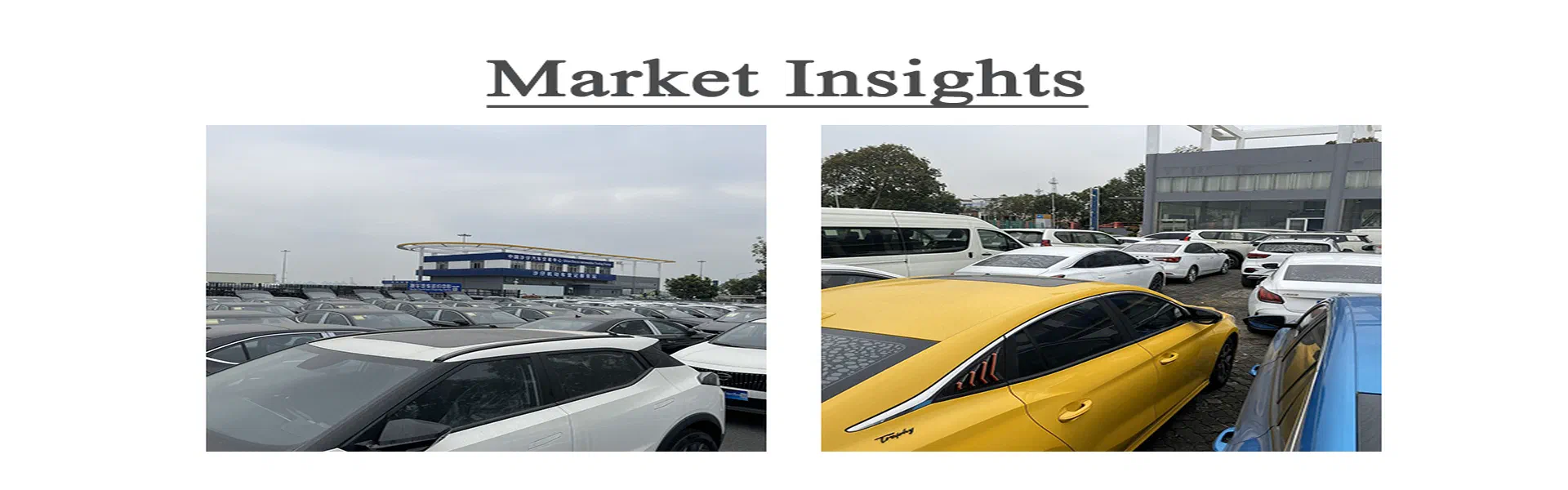
Port handling involves several stages, including vehicle handover, export customs procedures, loading, ocean transport, and destination clearance. Typical shipping lead times vary based on vessel schedules, port operations, and destination arrangements rather than following one fixed timeline. Buyers importing to Ghana, Nigeria, Kenya, Uganda, or Tanzania should confirm current local requirements before shipment, including vehicle age limits, emission standards, roadworthiness rules, and import procedures.
Demand patterns in African markets show growing interest in SUVs and electrified vehicles, while buyers continue to compare Chinese options with established Japanese and European used vehicles. Chinese-brand models can offer newer technology features and different pricing positions, but factors such as spare parts availability, charging infrastructure, repair capability, and local market acceptance remain important. Since most vehicles sourced from China are left hand drive, buyers in each destination market should confirm drive-side requirements before purchase. Exporters can support sourcing decisions by checking vehicle suitability, inspection results, shipping arrangements, and after-sales support options before final confirmation.
FAQ
Q: What documents are normally prepared for exporting used cars from China? A: Export shipments usually require customs declaration documents, bill of lading, certificate of origin where applicable, and other vehicle export paperwork. The exact document set depends on the destination market.
Q: How are used electric vehicles checked before export? A: Electric vehicles require checks beyond standard vehicle inspection, including battery health assessment and battery-related transport considerations. Buyers should review available inspection information before shipment.
Q: Which shipping method is better for used SUVs, RoRo or container shipping? A: RoRo is commonly used for suitable vehicles because of its loading process, while container shipping can provide additional protection. The better choice depends on shipment requirements, cost considerations, and destination handling conditions.