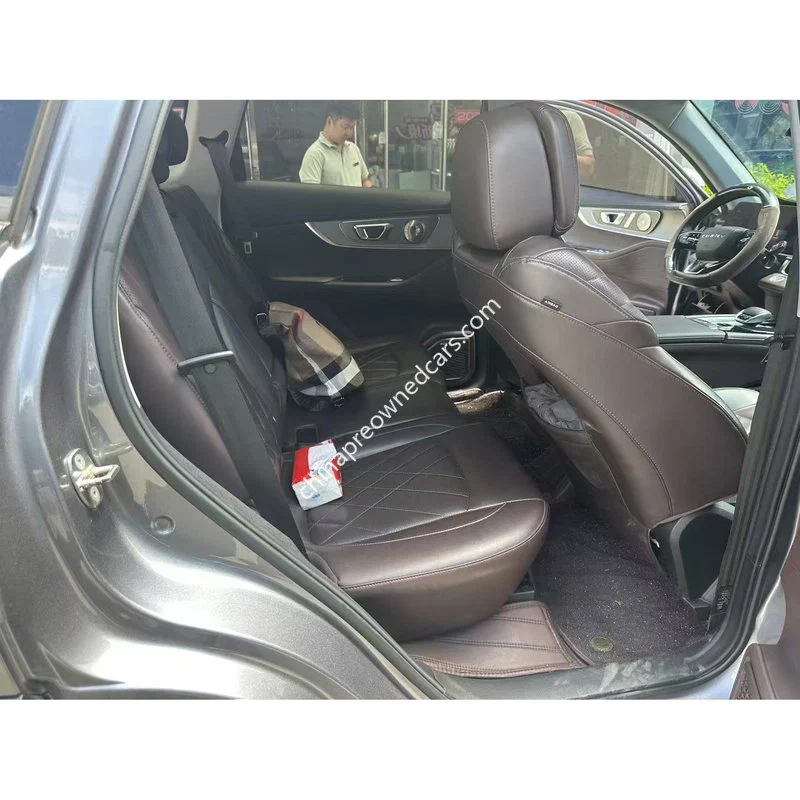
Nigeria’s automotive market is rapidly evolving, with increasing demand for reliable vehicles that can handle diverse road conditions. As buyers seek vehicles that meet specific local requirements, understanding these needs can significantly impact the price used car value. This analysis focuses on how various models from Chinese manufacturers, such as the BYD Atto 3 and Chery Tiggo series, align with market demands in Nigeria.
Market Requirements
Nigeria’s import regulations typically favor left-hand drive vehicles, which aligns well with the majority of Chinese models available for export. Furthermore, buyers often consider the vehicle’s age and emissions standards, which vary by region. While many markets have specific age limits and emission requirements, it is essential for buyers to verify the current standards applicable in Nigeria, as these can change.
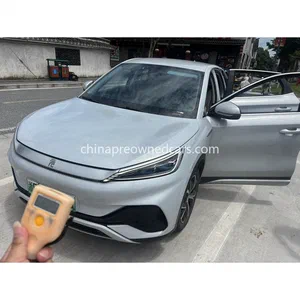
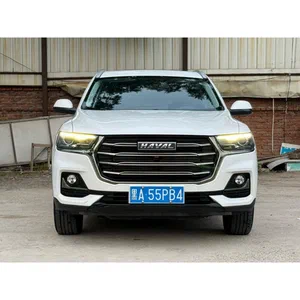
Road conditions in Nigeria can be challenging, with a mix of urban and rural landscapes. Buyers often prioritize vehicles with higher ground clearance and robust suspension systems. Models like the Haval H6 and Geely Coolray are equipped to handle rough terrains, making them suitable options. Additionally, the growing trend towards hybrid and electric vehicles, such as the BYD Atto 3, reflects a shift in buyer preferences, especially in urban areas where fuel efficiency is increasingly valued.
Comparing Inventory with Alternatives

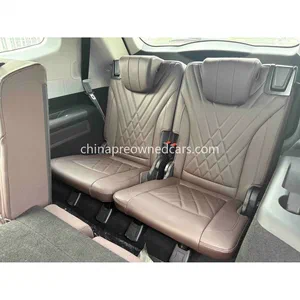
The Chinese used vehicles available for export often present a competitive edge over European and Japanese alternatives, primarily due to their affordability and features tailored for local conditions. Models like the Chery Tiggo 7 Plus and Tiggo 8 Pro offer spacious interiors and modern technology, which appeal to families and urban professionals alike. Buyers in Nigeria may find that these vehicles provide better value for money compared to their more established counterparts, particularly in terms of initial purchase price and maintenance costs.
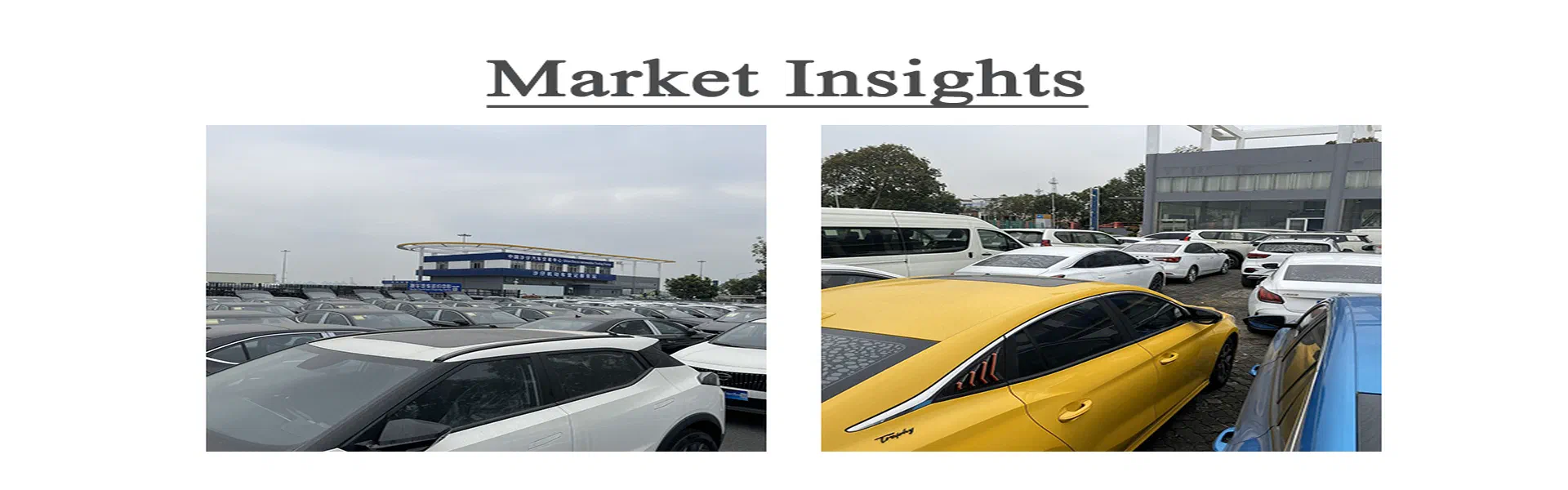
As the market evolves, there is also a noticeable shift in buyer perceptions regarding Chinese vehicles. Historically viewed with skepticism, the growing reputation of brands like BYD and Chery is changing as they offer reliable performance and favorable warranty terms. Buyers are increasingly recognizing the advantages of sourcing pre-owned vehicles from reputable exporters, which can ensure quality assessments and thorough inspections prior to purchase.
Practical Considerations for Buyers
Before finalizing a purchase, potential buyers should verify key aspects of the vehicle. This includes conducting a thorough pre-purchase inspection to assess the overall condition, mileage, and any potential repairs needed. It is advisable to request documentation related to the vehicle’s history, including maintenance records and any prior accidents. Understanding payment terms is also crucial, as they can vary significantly among exporters.
Shipping logistics play a vital role in the export process. Vehicles can be shipped either via RoRo (Roll-on/Roll-off) or in containers, with each method having its advantages. Buyers should consider lead times, which usually range from 15 to 25 days, and factor this into their planning. After-sales support is another essential element; ensuring that the exporter provides ample support can facilitate smoother ownership transitions.
Conclusion
The Nigerian automotive market continues to grow, with a dynamic demand for vehicles that meet local conditions and preferences. Chinese brands are well-positioned to cater to this market, offering models that align with buyer expectations for affordability, reliability, and performance. As buyers navigate the complexities of vehicle importation, being informed about local regulations and inspecting vehicle quality will be key to making successful purchases.
FAQ
Q: What are the preferred vehicle types for the Nigerian market?
A: Buyers in Nigeria often prefer left-hand drive vehicles that can handle varying road conditions, with a focus on SUVs and hybrids.
Q: How do I verify the condition of a used vehicle before purchase?
A: It is advisable to conduct a pre-purchase inspection and review maintenance records to ensure the vehicle’s reliability.
Q: What shipping options are available for exporting vehicles to Nigeria?
A: Vehicles can be shipped via RoRo or loaded in containers, with typical lead times ranging from 15 to 25 days.