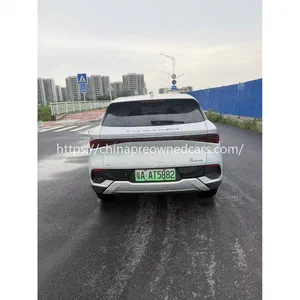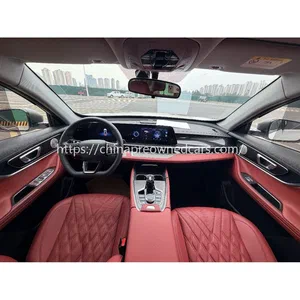
The export workflow for used vehicles from China involves several critical stages, ensuring that cars like the BYD Atto 3 and Chery Tiggo models are ready for international markets. The process begins with pre-shipment inspection, where vehicles undergo thorough checks to assess their condition, compliance with safety standards, and overall functionality. This inspection is vital for obtaining certification necessary for export. Key elements checked include vehicle history, mechanical integrity, and battery health, particularly for electric and hybrid models.
Following inspection, the required export documentation is prepared. This includes customs declarations, bills of lading, and certificates of origin. Each document plays a significant role in facilitating customs clearance in the destination market. Buyers should be aware that regulations differ by country, impacting what documents are needed and any additional certifications required. For instance, some markets may have specific emission standards or age limits that vehicles must meet.

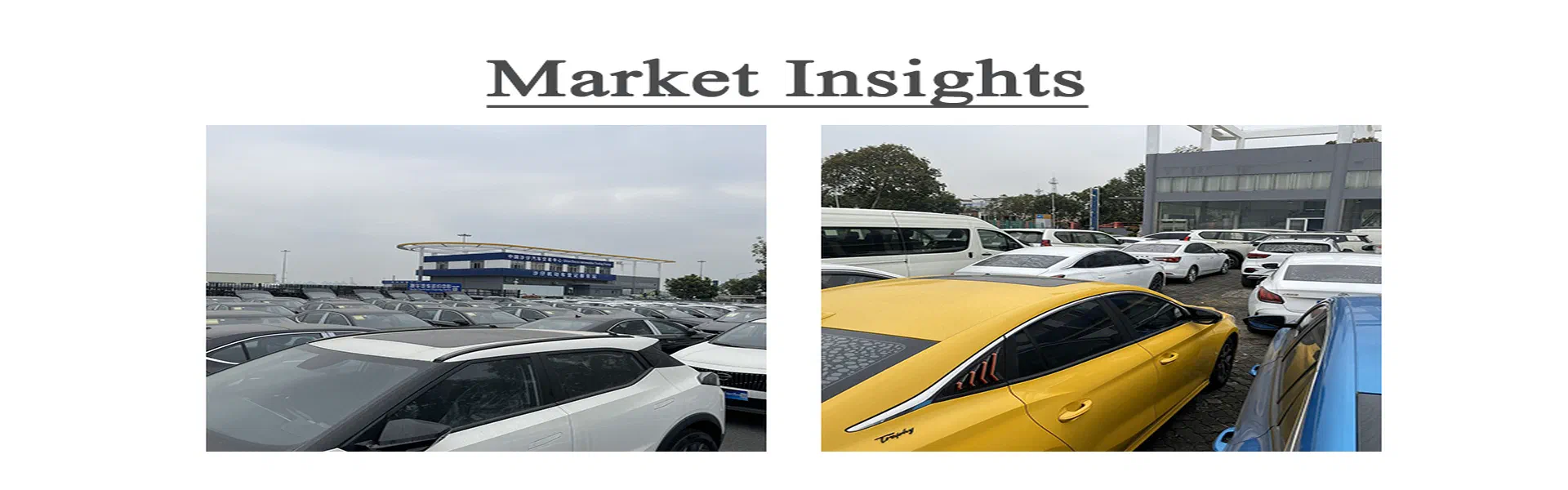
Shipping methods also influence the export process. Vehicles may be transported using Roll-on/Roll-off (RoRo) or container shipping. RoRo is typically more cost-effective and suitable for larger quantities of vehicles, while container shipping provides added protection against damage during transit. Depending on the method chosen, transit times can vary, and buyers should factor in potential delays related to port handling and customs clearance upon arrival.
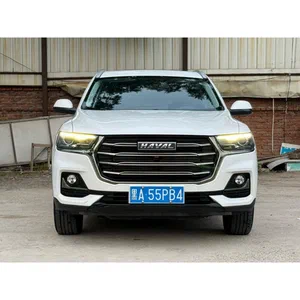
Market demand for Chinese used vehicles is on the rise in regions such as Africa and South America. Models like the Geely Coolray and Haval H6 are increasingly appealing due to their competitive pricing and features compared to European and Japanese alternatives. Buyers are shifting preferences toward electric and hybrid SUVs, reflecting a growing interest in environmentally friendly options. As the supply-side landscape evolves, Chinese brands are establishing a stronger foothold in these markets, driven by affordability and a diverse range of vehicles suited for local conditions.
FAQ
Q: What is the typical lead time for shipping vehicles from China?
A: Shipping lead times usually range from 15 to 25 days, depending on the destination and chosen method.
Q: What should buyers verify before purchasing a used vehicle?
A: Buyers should check the vehicle’s history, condition, and any required certifications or documentation specific to their market.
Q: Are there specific import regulations for vehicles in African countries?
A: Yes, each country has its own regulations regarding vehicle age, emission standards, and drive side configurations. Buyers should confirm the current rules for their destination.