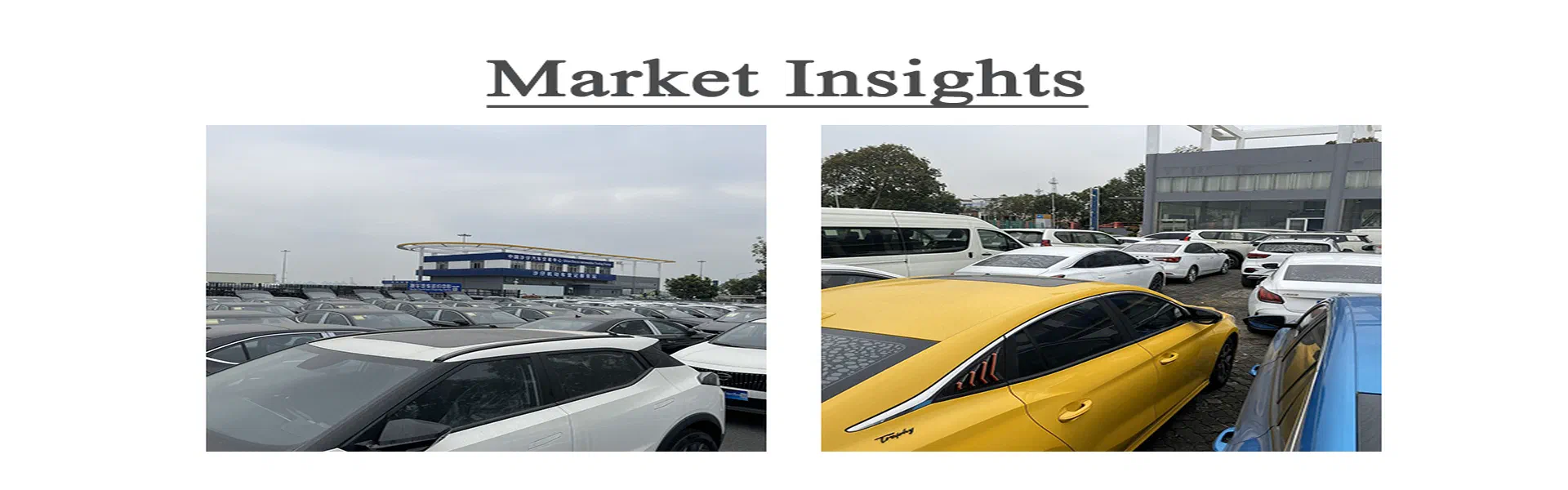
Chinese used vehicle exports to West Africa increasingly involve structured checks before a vehicle leaves China. This article covers how exporters handle inspection, documentation, shipping methods, and the market factors affecting Chinese-brand SUVs and new energy vehicles.
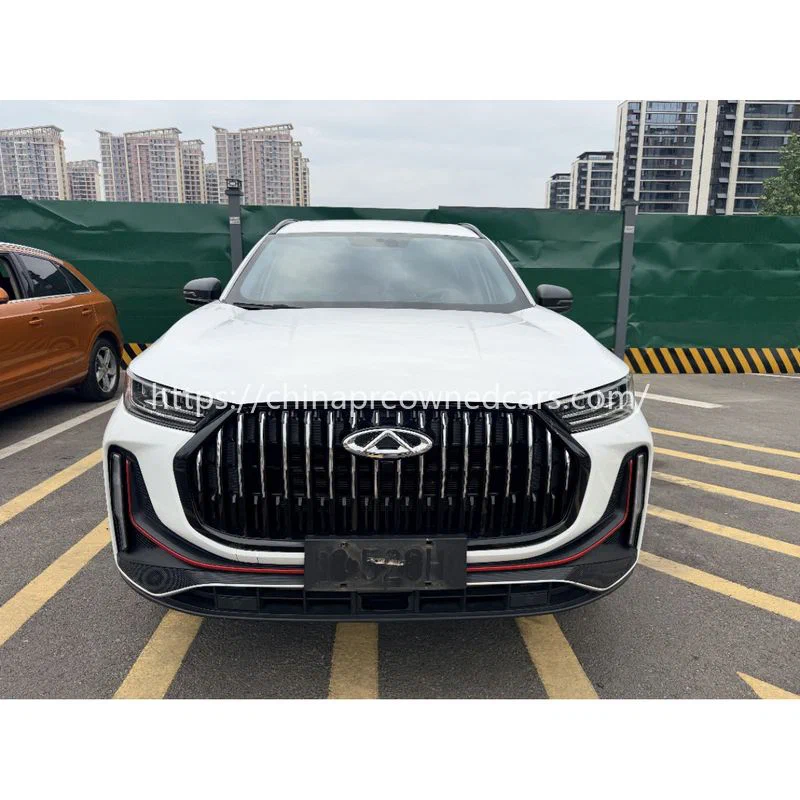
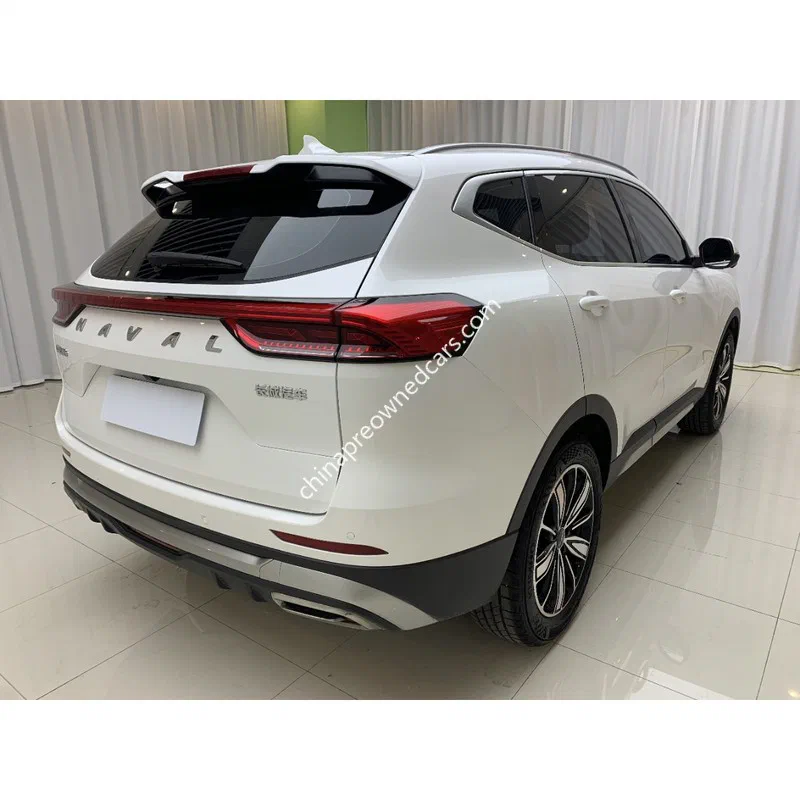
Buyers evaluating Chinese used SUVs for overseas markets often focus first on vehicle selection, but export preparation determines whether a shipment moves smoothly. The process begins with sourcing vehicles from China’s domestic market and reviewing records related to condition, maintenance, usage history, and specifications. Models such as BYD Atto 3, Chery Tiggo 7 Plus, Chery Tiggo 8 Pro, Geely Coolray, and Haval H6 are part of the growing supply of Chinese vehicles considered for export. Demand in Ghana, Nigeria, Kenya, Uganda, and Tanzania is influenced by fuel costs, road conditions, ownership costs, and access to servicing. Some buyers also compare Chinese SUVs with European and Japanese alternatives when searching for value-focused options, including searches around best used luxury cars under 30k.
Export checks and documentation
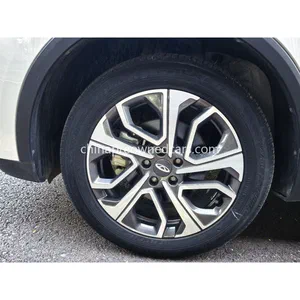
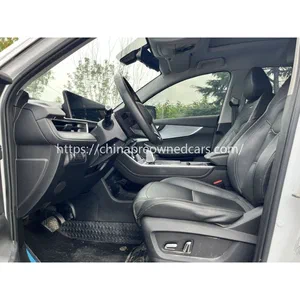
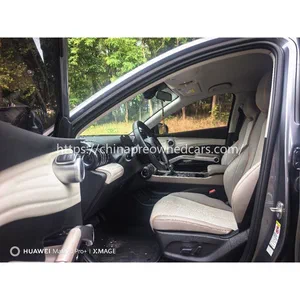
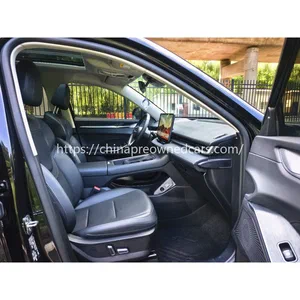
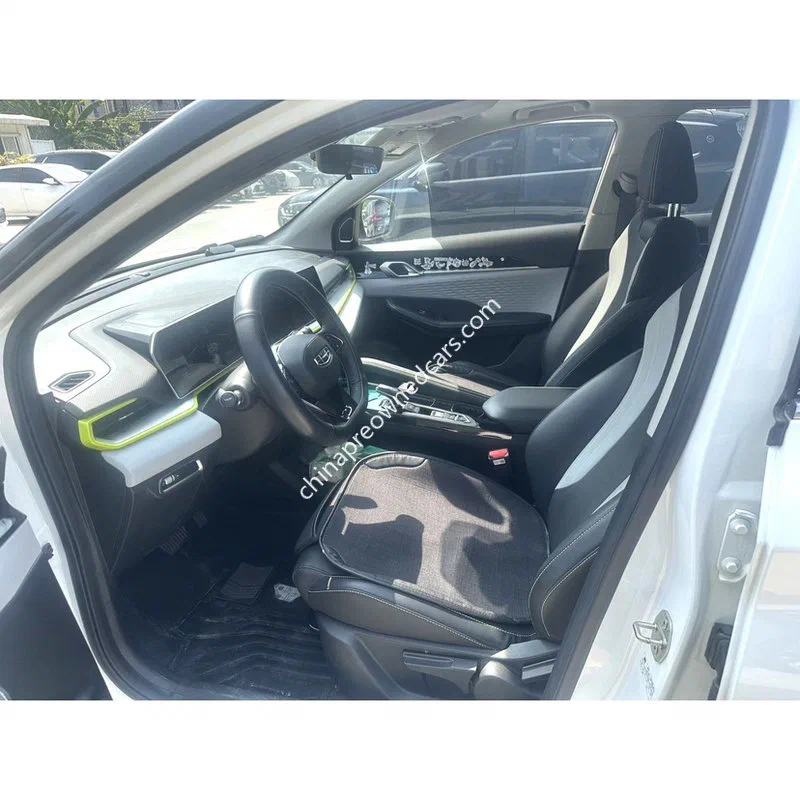
Pre-shipment inspection is a key stage before export clearance. The inspection process normally reviews exterior condition, interior wear, mechanical operation, electronic functions, tire condition, and vehicle identification details. For electric and hybrid vehicles, additional checks focus on battery condition, charging systems, and battery-related transport considerations. Battery state of health is an important factor because used EV performance depends on previous usage patterns and charging history.
Exporters must prepare required documents according to Chinese export procedures and the destination market’s rules. These commonly include customs declaration documents, bill of lading arrangements, and certificate of origin where required. Export licensing, customs clearance procedures, and pre-shipment inspection requirements are part of the export workflow. Destination authorities may also request additional documents depending on local regulations.
Documentation accuracy matters because vehicle imports are controlled by both exporting and importing countries. Errors in vehicle identification information, ownership records, or shipping paperwork can delay customs processing. Professional exporters usually coordinate inspection, documentation review, and port preparation before the vehicle reaches the shipping stage.
Shipping methods and port handling
Chinese used vehicles are mainly shipped overseas through RoRo or container transport. RoRo shipping is commonly used for vehicles that can be driven onto and off the vessel. It can be suitable for larger shipment volumes and may reduce handling steps, but vehicles are exposed to port environments during loading and unloading. Container shipping provides more physical protection and may fit smaller shipments or buyers who require additional control over loading arrangements.
The choice between RoRo and containers depends on vehicle type, shipment size, destination port conditions, and cost considerations. Electric vehicles may require additional attention during transport planning because battery systems create specific handling requirements. Exporters need to confirm shipping rules with carriers and destination authorities before arranging transport.
After arrival, port handling includes unloading, customs procedures, inspection by local authorities where applicable, and final delivery arrangements. Typical shipping lead times vary by route, port congestion, documentation readiness, and vessel schedules. Buyers should confirm the expected process timeline rather than relying on a fixed delivery period.
Chinese-brand SUVs are gaining attention in African markets because they offer newer technology features at competitive positioning compared with many imported used vehicles from traditional supply sources. BYD Atto 3 represents the increasing interest in used electric SUVs, while Chery Tiggo 7 Plus, Chery Tiggo 8 Pro, Geely Coolray, and Haval H6 attract buyers looking for SUV space and practical ownership. Demand patterns differ between Ghana, Nigeria, Kenya, Uganda, and Tanzania because infrastructure, fuel availability, taxation, and consumer preferences are not the same across markets.
Chinese vehicles also compete with European and Japanese used cars that have established recognition in many African countries. However, buyers are paying more attention to purchase condition, available features, maintenance access, and long-term running costs. The growth of hybrid and electric options is creating new considerations around charging infrastructure and battery support. Supply from China’s domestic market provides more choices, but export suitability still depends on matching vehicle specifications with destination requirements.
Buyer considerations before shipment

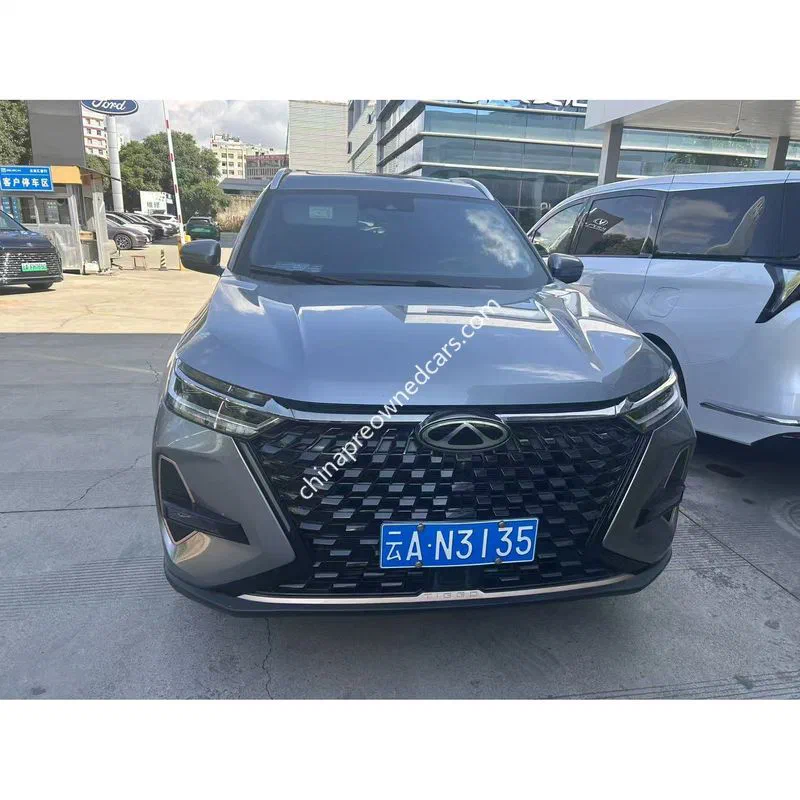
Before purchasing, buyers should verify key details rather than relying only on vehicle descriptions. Important checks include VIN verification, inspection records, service history when available, mileage information, accident records where available, and battery health reports for EV models. Vehicle condition grading should be based on inspection findings and documentation, not assumptions.
Most Chinese domestic vehicles are left-hand drive, which suits many markets but may not meet the requirements of countries where right-hand-drive vehicles are required. Import regulations in Ghana, Nigeria, Kenya, Uganda, and Tanzania can change, including rules related to vehicle age, emissions, roadworthiness, and registration. Buyers should confirm current requirements with local authorities or customs representatives before ordering.
Payment terms, exporter selection, and after-sales support also affect the purchase process. A reliable export partner should provide clear information about inspection procedures, shipping arrangements, and required documents. Support after arrival may include communication assistance, spare parts guidance, or technical information, but local service availability should be evaluated for each market.
FAQ
Q: What checks are completed before a used vehicle is exported from China? A: Export inspections usually review vehicle condition, identification details, mechanical functions, and required documentation. Electric vehicles receive additional checks related to battery condition and transport requirements.
Q: What documents are needed for exporting used cars from China? A: Common export documents include customs declaration materials, bill of lading arrangements, certificate of origin where required, and export-related paperwork. Destination markets may require additional documents.
Q: Should buyers choose RoRo or container shipping for used vehicles? A: RoRo is often suitable for larger vehicle shipments, while container shipping may provide more protection and control. The suitable method depends on shipment needs, vehicle type, and destination conditions.