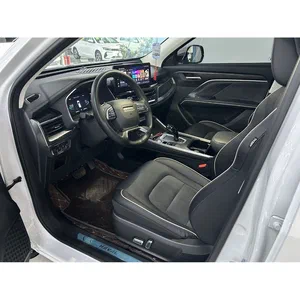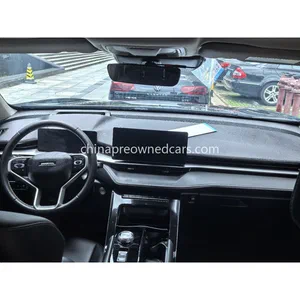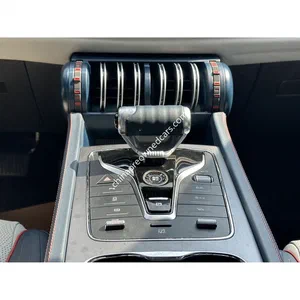

The BYD Atto 3 and Geely Coolray represent two different approaches to the pre-owned SUV market in West Africa. The Atto 3 is a fully electric vehicle, while the Coolray uses a conventional petrol powertrain. For importers in Ghana, Nigeria, Kenya, Uganda and Tanzania, the choice depends less on headline specifications than on charging access, operating costs, servicing requirements and local import rules.
The BYD Atto 3 is positioned for buyers exploring the transition to electric mobility. Its battery-electric powertrain eliminates petrol consumption and tailpipe emissions, making it relevant to urban fleets, private buyers and businesses with predictable daily routes. Driving range depends on battery capacity, vehicle condition, temperature and driving habits. Buyers should request the exact battery specification and an independent state-of-health assessment before purchase. Charging compatibility also requires attention: the connector standard, onboard charging equipment and available charging infrastructure must match the destination market. A vehicle that performs well in China may require additional planning to operate efficiently elsewhere.
The Geely Coolray addresses a different buyer profile. Its turbocharged petrol engine and conventional refuelling requirements make it easier to deploy where public charging remains limited. Fuel consumption should be assessed against the specific engine version, transmission, mileage and maintenance history rather than relying solely on factory figures. For importers serving customers who prioritise familiar petrol operation, the Coolray can be a practical alternative. Its purchase decision still requires checks on engine condition, transmission response, cooling performance and electronic systems. Compared with established Japanese and European used SUVs, Chinese models compete through equipment levels and purchase positioning, although local familiarity and independent parts supply can influence resale confidence.
Demand patterns across West Africa are not uniform. In Ghana and Nigeria, buyers may compare Chinese SUVs against established Japanese imports, weighing acquisition cost against parts availability, mechanic familiarity and expected resale value. The Atto 3 is more relevant to buyers with reliable charging access and a clear operating plan, while the Coolray suits customers who prefer conventional refuelling. Kenya, Uganda and Tanzania also require market-specific assessment of road conditions, vehicle specifications and service support. The Haval H6 and Chery Tiggo 7 Plus offer additional options within the same export portfolio, particularly for buyers comparing SUV size and equipment. Chinese vehicle supply is also becoming more varied, giving importers more opportunities to match specifications to different customer segments.
Drive configuration is a critical purchasing filter. Most vehicles sourced from China’s domestic market are left-hand drive, which can restrict their suitability in right-hand-drive markets such as Ghana, Nigeria, Kenya, Uganda and Tanzania. Buyers should confirm whether a particular destination permits the proposed configuration before committing to a purchase. Vehicle age limits, emission requirements, roadworthiness standards and import duties also differ by country and may change. A petrol Coolray requires verification against the destination’s applicable emission rules; the Atto 3 avoids exhaust emissions but remains subject to vehicle import regulations and battery-related requirements. Neither model should be selected on assumptions about regulatory acceptance.

Export preparation should establish the vehicle’s actual condition before payment and shipment. Buyers should request VIN verification, service records, mileage evidence, diagnostic results and a detailed inspection covering structural damage, suspension, tyres and electrical systems. For the Atto 3, battery health and charging performance deserve particular attention. For the Coolray, engine and transmission diagnostics are essential. A Chinese exporter can coordinate sourcing, pre-shipment inspection, export licensing, customs declaration and documentation. Shipping is generally arranged through RoRo or container transport, depending on vehicle specifications, route and handling requirements. Container shipping offers enclosed transport, while RoRo is designed for vehicles that can be driven onto the vessel. Freight costs, port procedures and transit times should be confirmed for each shipment. For any pre owned car purchase, the final specification, inspection findings, payment milestones and shipping documents should be agreed in writing.
FAQ
Q: Is the BYD Atto 3 or Geely Coolray better for export to West Africa?
A: The Atto 3 suits buyers with dependable charging access and an electric vehicle operating plan. The Coolray is generally easier to deploy where petrol refuelling and conventional servicing are more accessible.
Q: What should buyers check before importing either SUV from China?
A: Confirm left-hand-drive eligibility, current import regulations, vehicle history, inspection results and shipping documentation. Atto 3 buyers should also obtain a battery state-of-health report and verify charging compatibility.