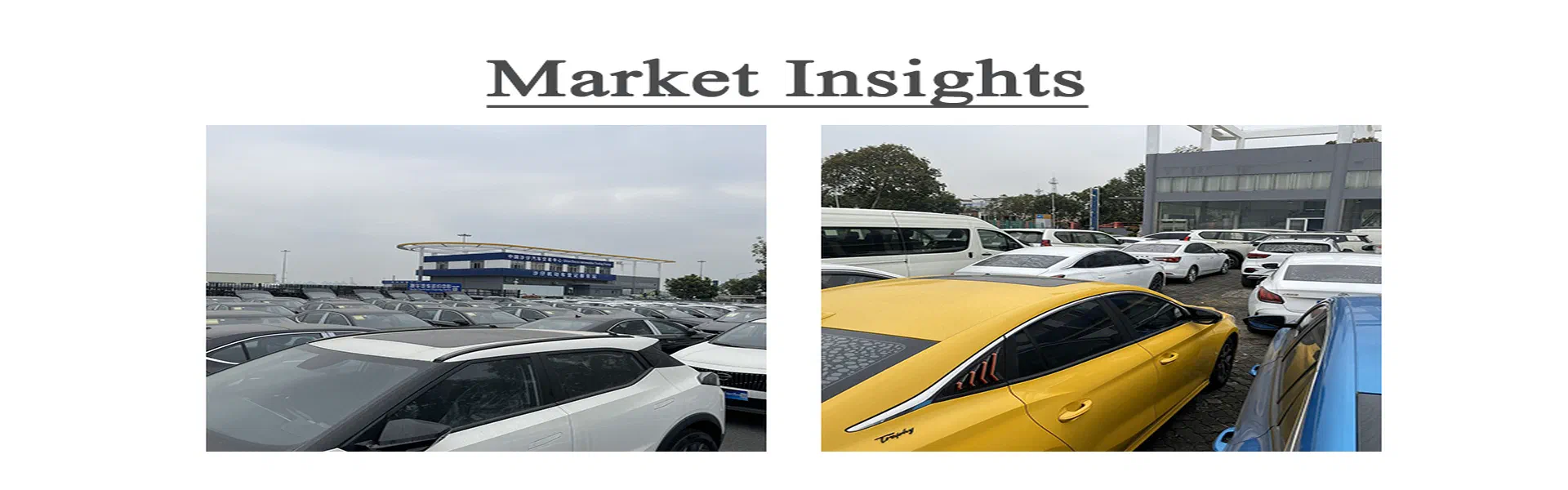
China’s used vehicle export business has gained traction, particularly for electric and hybrid SUVs. This article provides valuable insights into the export workflow, covering essential processes like pre-shipment inspection and documentation, as well as shipping methods. Understanding these factors is crucial for buyers in markets such as Ghana, Nigeria, Kenya, Uganda, and Tanzania.
Pre-shipment Inspection and Documentation
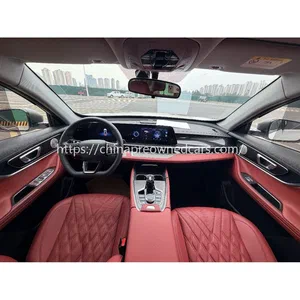
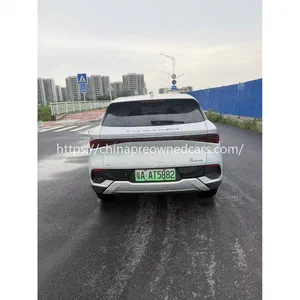
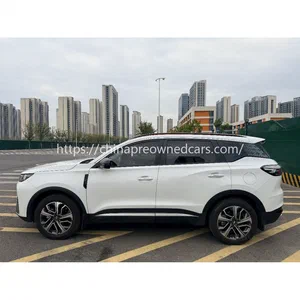
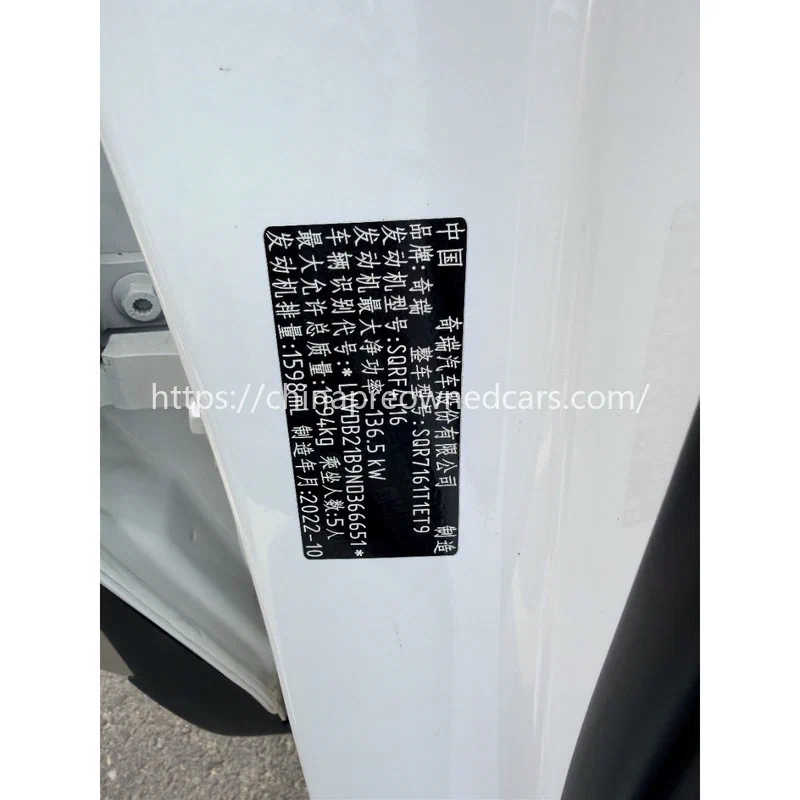
Before any vehicle is exported, it undergoes a comprehensive pre-shipment inspection. This process checks several critical aspects, including mechanical condition, safety features, and overall appearance. Verification of the vehicle’s VIN and battery health is also essential, especially for electric and hybrid models like the BYD Atto 3 and Chery Tiggo 8 Pro. Buyers should ensure that an inspection report is issued, detailing the vehicle’s condition and confirming compliance with relevant export regulations.
Documentation is another vital component of the export process. Key documents include the customs declaration, bill of lading, and certificate of origin. The customs declaration must accurately reflect the vehicle’s details, including make, model, age, and condition. The bill of lading serves as proof of shipment, while the certificate of origin may be required to confirm that the vehicle meets local regulations in the destination market. Buyers should verify that all documentation is in order to avoid delays and complications during customs clearance.
Shipping Methods: RoRo vs. Container
When it comes to shipping, exporters typically choose between RoRo (Roll-on/Roll-off) and container shipping. RoRo is often more cost-effective for transporting multiple vehicles, as it allows for quicker loading and unloading at ports. However, it may expose vehicles to weather elements during transit, increasing the risk of damage. On the other hand, container shipping offers better protection against the elements and potential theft, at a higher cost. Buyers should consider their budget and the specific risks associated with each method when deciding how to ship their vehicles.
Lead times for shipping can vary based on the chosen method and destination port. Typically, RoRo shipments may take around 15-25 days, while container shipping can extend the timeline due to additional handling and customs processes. Buyers should plan accordingly and be prepared for potential delays, especially during peak export seasons.
Market-Specific Requirements
Each destination market has its own set of import regulations and requirements that can affect the suitability of Chinese used vehicles. For instance, most vehicles are left-hand drive, which is compatible with markets like Ghana and Kenya but may not be ideal for others. Emission standards and vehicle age limits can also pose challenges. Buyers should familiarize themselves with the current regulations in their target markets, as these can change frequently.
In addition to regulatory compliance, buyer preferences are evolving. Many consumers are increasingly interested in electric and hybrid models due to their environmental benefits and lower operating costs. This trend has added to the demand for models such as the Geely Coolray and Haval H6, which offer a balance of performance and efficiency.
Buyer Guidance: Verification and After-Sales Support
Before finalizing a purchase, buyers should conduct thorough verification of the vehicle’s condition, including a pre-purchase inspection. This ensures that the vehicle meets their expectations and is free from hidden issues. Additionally, understanding payment terms is crucial; some exporters may require a deposit, while others might offer flexible financing options.

After-sales support is also an important consideration. Buyers should inquire about warranty options, parts availability, and service support in their local markets. Strong after-sales support can enhance the ownership experience and provide peace of mind when purchasing used vehicles.
Conclusion
The landscape of used vehicle exports from China continues to evolve, particularly as demand for electric and hybrid SUVs grows. By understanding the export workflow, documentation requirements, shipping methods, and market-specific regulations, buyers can make informed decisions that align with their needs and preferences. This knowledge is essential for navigating the complexities of importing used vehicles into African markets effectively.
FAQ
Q: What is involved in the pre-shipment inspection process? A: The pre-shipment inspection checks the vehicle’s mechanical condition, safety features, and overall appearance, including VIN verification and battery health.
Q: How do shipping methods differ between RoRo and container shipping? A: RoRo is generally more cost-effective and quicker, while container shipping offers better protection against damage but at a higher cost.