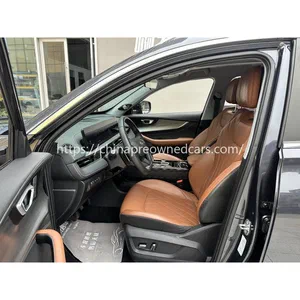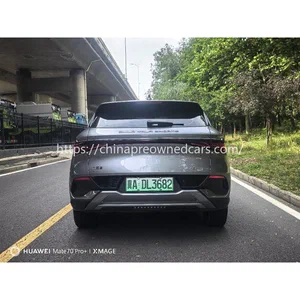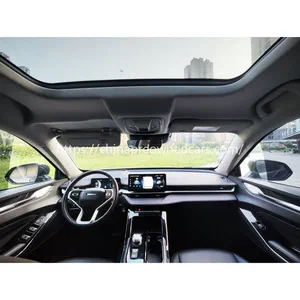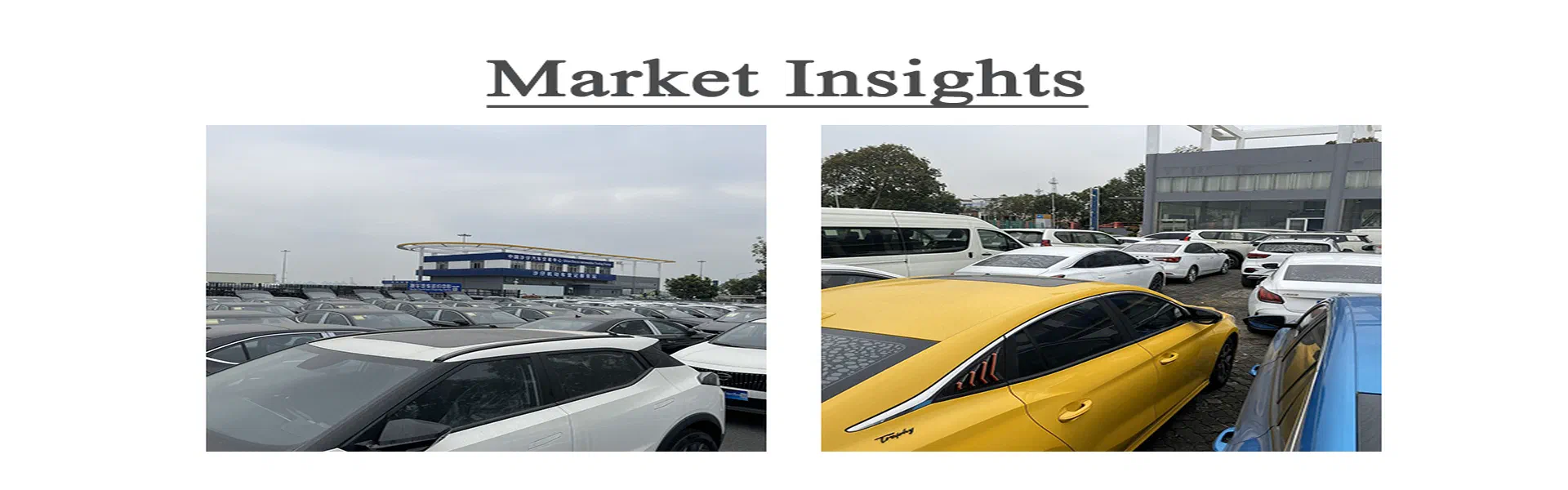
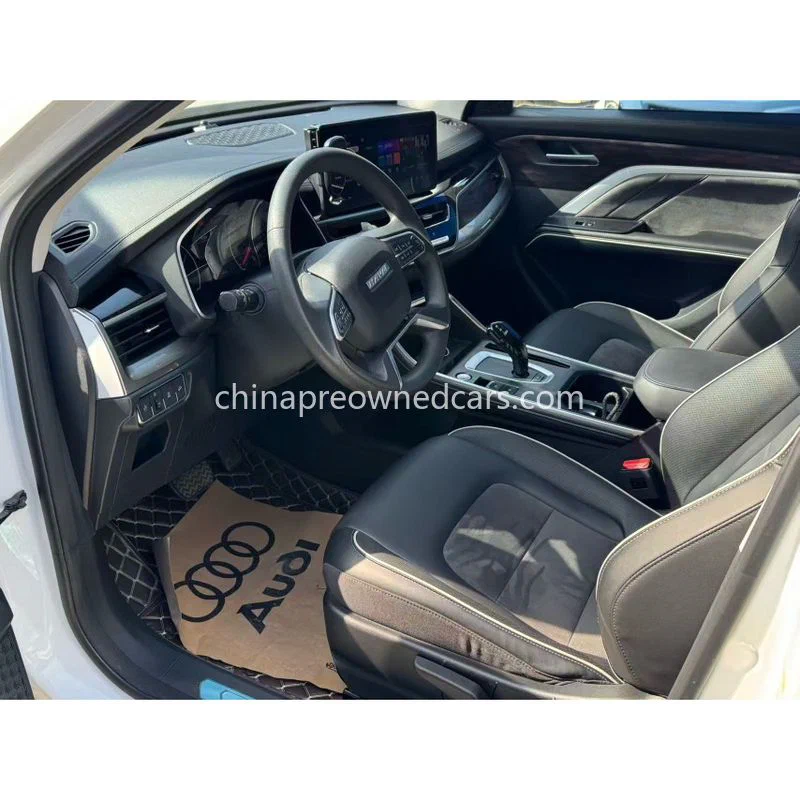
Understanding what to know when buying a secondhand car is essential for overseas buyers, particularly those interested in Chinese-brand electric and hybrid SUVs. This guide provides practical insights into assessing vehicles, verifying documentation, and evaluating exporters to ensure a satisfactory purchase experience.
Before finalizing a purchase, buyers should verify critical vehicle details. Key aspects include mileage, service history, accident records, and battery health for electric vehicles. For instance, vehicles like the BYD Atto 3 and Chery Tiggo 8 Pro may have specific maintenance records that can indicate their condition. Buyers should also check the Vehicle Identification Number (VIN) to confirm authenticity and ensure the vehicle is not stolen or misrepresented.
Documentation plays a vital role in the export process. Essential documents include the vehicle’s inspection report, export license, and customs clearance paperwork. These documents verify that the vehicle meets the necessary regulations for international shipping. Buyers should request copies of these documents and review them carefully before proceeding with the transaction.
Assessing the credibility of the exporter is crucial. A reputable exporter should have a transparent operational process, positive customer reviews, and a clear understanding of the destination market’s regulations, such as those for Ghana or Nigeria. Buyers are encouraged to inquire about the exporter’s experience with specific models, such as the Geely Coolray or Haval H6, and their history of successful transactions.
Payment terms can vary significantly, and it’s essential to clarify these upfront. Common practices include a deposit followed by the balance upon shipment. Buyers should be wary of exporters requesting full payment in advance without proper assurances about the vehicle’s condition or documentation. Understanding the payment structure will help mitigate risks associated with the transaction.
Shipping logistics also require attention. Vehicles can be shipped either as Roll-on/Roll-off (RoRo) or loaded into containers. Each method has distinct advantages; for instance, RoRo is typically more cost-effective, while container shipping offers better protection for the vehicle. Buyers should consider their priorities—such as shipping speed versus cost—and discuss these options with their exporter.
Market-specific requirements can impact the buying process. Many vehicles from China are left-hand drive, which is suitable for most markets in Africa but may not be for others. Additionally, each destination country may have its own emission standards and age limits for imported vehicles. It is advisable for buyers to research these regulations thoroughly or seek guidance from their exporter to avoid complications upon arrival.
Finally, understanding common pitfalls can help buyers navigate the used vehicle market more effectively. Issues can arise from misrepresented vehicle conditions, incomplete documentation, or delays in shipping. Buyers should remain vigilant and maintain open communication with their exporter throughout the process, ensuring that any concerns are addressed promptly.

FAQ
Q: What should I verify before purchasing a used vehicle?
A: Buyers should check the vehicle’s mileage, service history, accident records, battery health for electric models, and the authenticity of the VIN.
Q: What documents do I need for exporting a used vehicle?
A: Essential documents include the vehicle’s inspection report, export license, and customs clearance paperwork to ensure compliance with international shipping regulations.