
Buyers looking to purchase used vehicles from China for export to markets in Africa, the Middle East, and South America should consider several key factors before making a decision. Understanding vehicle specifications, export logistics, and market-specific requirements is essential for ensuring a successful transaction. This article outlines practical guidance for verifying vehicle details, assessing exporters, and navigating the purchasing process.
Vehicle Verification
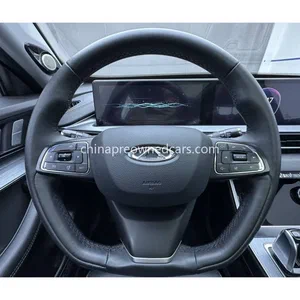
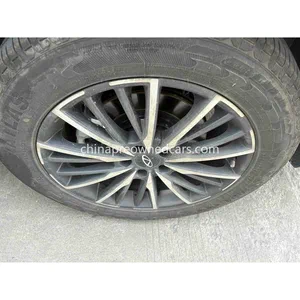
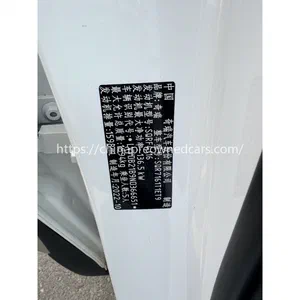
When considering used vehicles, buyers should prioritize verifying the vehicle’s mileage, service history, and accident records. For electric vehicles, checking the battery health is particularly important. Requesting the Vehicle Identification Number (VIN) is crucial for authenticity checks. The VIN can be used to track the vehicle’s history and confirm that it matches the seller’s description. Buyers should also inquire about the vehicle’s condition grading, as different exporters may use varying criteria to assess quality.

Export Procedures
Exporting vehicles from China involves several steps, including pre-shipment inspections, customs clearance, and choosing between RoRo (Roll-on/Roll-off) and container shipping. Pre-shipment inspections are critical to ensure that the vehicle meets the destination country’s import regulations. Export documentation, including the export license and customs clearance paperwork, must be accurate and complete. Proper documentation facilitates smoother customs processes in the destination country, reducing potential delays.
Market-Specific Requirements
Different markets have unique requirements regarding vehicle specifications. Most vehicles exported from China are left-hand drive, which is suitable for many African nations. However, buyers must verify the emission standards and potential age limits applicable in their specific markets, as these can vary significantly. For instance, some countries may have stricter regulations on older vehicles or specific emissions compliance. It is advisable to consult local regulations before finalizing a purchase to avoid complications upon import.
Assessing Exporter Credibility
Determining the credibility of an exporter is essential for a successful transaction. Buyers should look for exporters with positive reviews and a history of reliable service. Requesting references or testimonials from previous clients can provide insights into the exporter’s practices. It is also advisable to verify the exporter’s licensing and compliance with local and international trade regulations. An established exporter will usually have a transparent process and offer after-sales support.
Payment Terms and Common Issues
Standard payment terms for used vehicle purchases typically involve a deposit followed by the balance upon delivery or after certain conditions are met. Buyers should clarify payment methods accepted by the exporter, including wire transfers or letters of credit. Common issues may arise from miscommunication regarding vehicle specifications or delays in shipping. Establishing clear expectations and maintaining open communication with the exporter can help mitigate these risks.
Market Insights
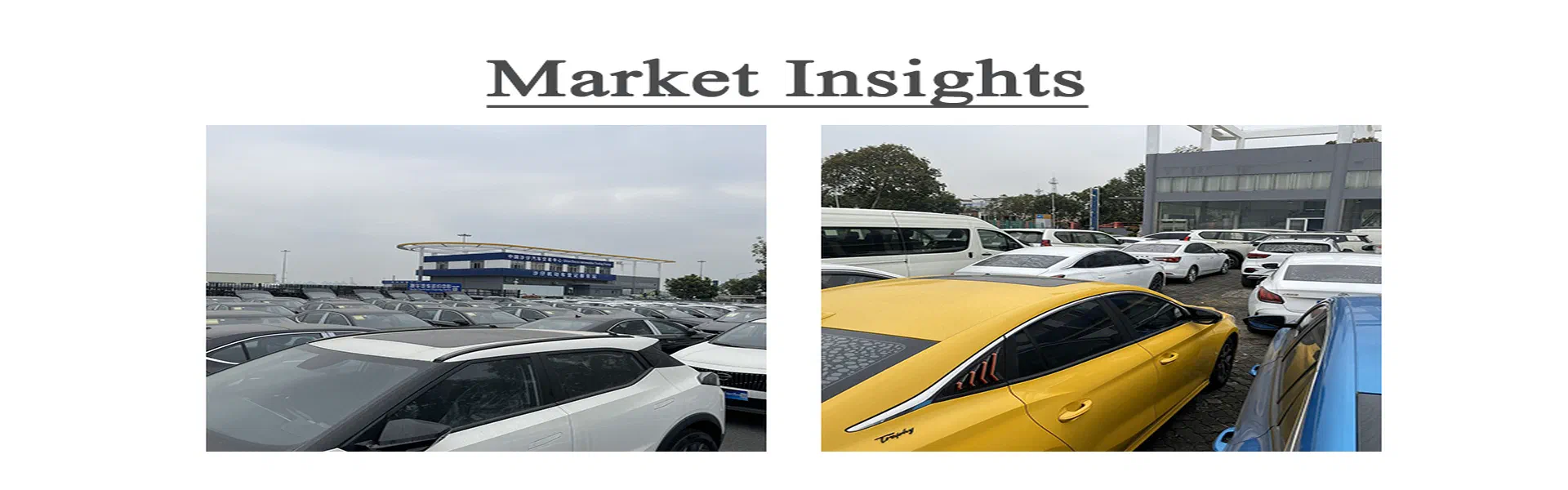
Chinese used electric and hybrid SUVs, such as the BYD Atto 3 and Chery Tiggo 8 Pro, are increasingly popular in various overseas markets. They often provide a competitive alternative to European or Japanese models, especially in terms of price positioning. Buyers are increasingly favoring newer models that offer better fuel efficiency and technology. As demand grows, supply-side changes may also influence availability and pricing, with electric SUVs gaining traction due to their environmental benefits.
FAQ
Q: What should I verify before purchasing a used car?
A: Buyers should check the vehicle’s mileage, service history, accident records, and battery health for electric vehicles. Additionally, confirming the VIN authenticity is critical.
Q: How can I assess the credibility of an exporter?
A: Look for positive reviews, request references, and verify the exporter’s licensing and compliance with trade regulations. Established exporters typically offer transparent processes and after-sales support.