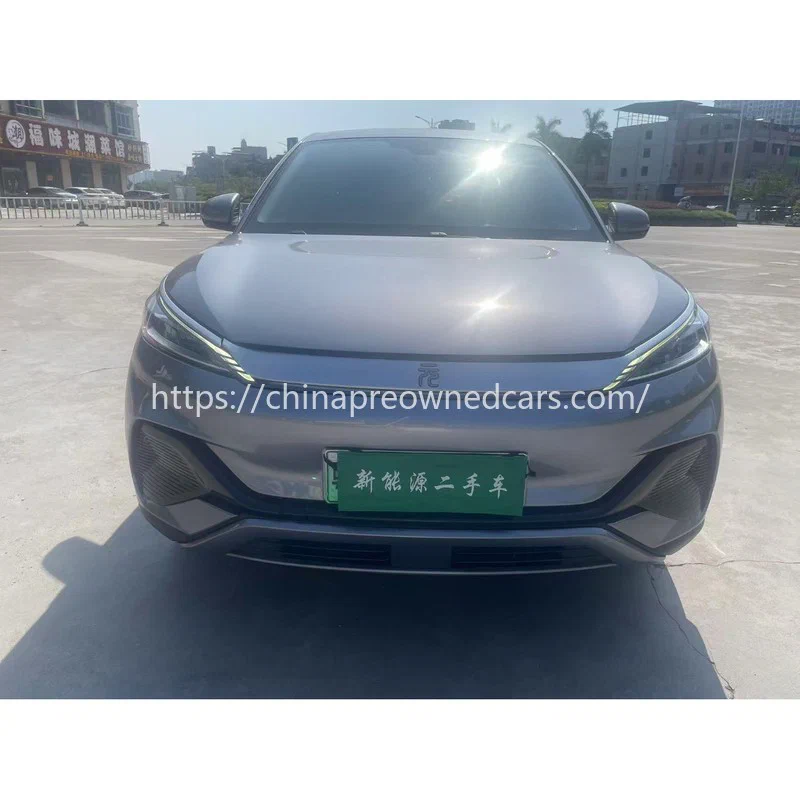
Exporting used electric vehicles from China to markets in Africa and beyond necessitates a thorough understanding of both the technical specifications of the vehicles and the regulatory environment of the destination countries. Key considerations include the battery state-of-health, which greatly impacts performance and resale value. Potential buyers should inspect the battery condition and request a detailed report on its health. Charging connector standards also vary; while the GB/T standard is prevalent in China, markets like South America and certain African nations may accept CCS or CHAdeMO connectors. Buyers must confirm compatibility with local infrastructure to ensure seamless integration.
Documentation and compliance with international shipping regulations are crucial steps in the export process. Vehicles must undergo a rigorous pre-shipment inspection and obtain necessary export licenses. Customs clearance procedures can differ significantly depending on the destination. For example, some countries may have specific import regulations regarding vehicle age and emission standards. It is important to verify these rules, as they can change, affecting the vehicle’s eligibility for import. Most vehicles in this inventory are left-hand drive, so buyers in right-hand drive countries should confirm availability of suitable models.
Furthermore, understanding local demand trends is essential for effective market entry. In various African nations, there is a growing preference for electric vehicles due to increasing awareness of environmental issues and the rising cost of fuel. Models such as the BYD Atto 3 and Chery Tiggo series are gaining traction, often seen as more affordable alternatives to European or Japanese vehicles. This shift in buyer preferences indicates a potential for competitive pricing and market positioning for Chinese brands.
Battery transport regulations, particularly those concerning UN 3480 for dangerous goods, must be adhered to when shipping electric vehicles. This includes proper labeling and packaging to mitigate risks during transit. Buyers should also be aware of how battery degradation over time can affect resale value, making it essential to assess the vehicle’s mileage and usage history, as well as the remaining range capabilities of the electric vehicles.

Lastly, buyers should focus on after-sales support and warranty options available in the destination market. Establishing a reliable support network can enhance customer satisfaction and retention in the long run. Payment terms are another critical aspect; potential buyers should discuss these upfront to avoid misunderstandings later in the transaction process. Shipping lead times for used electric vehicles usually fall within a typical range of 15-25 days, depending on the chosen transport method—either RoRo or container shipping.
FAQ
Q: What should I verify about the battery state-of-health before purchasing an electric vehicle for export?
A: Buyers should request a detailed battery health report and perform checks to assess its condition, as it directly impacts vehicle performance.
Q: Are there specific charging standards I need to consider when exporting electric vehicles?
A: Yes, charging connector standards such as GB/T, CCS, and CHAdeMO vary by market, so confirming compatibility with local infrastructure is essential.
Q: How do I ensure compliance with export regulations when shipping electric vehicles?
A: It is crucial to obtain the necessary export licenses, complete pre-shipment inspections, and adhere to the customs clearance procedures specific to the destination country.