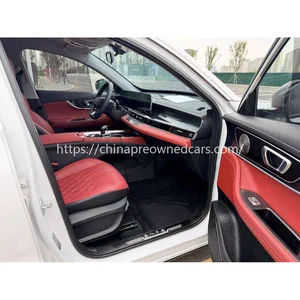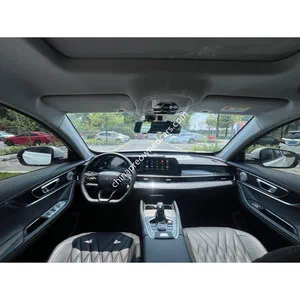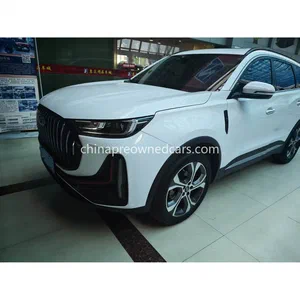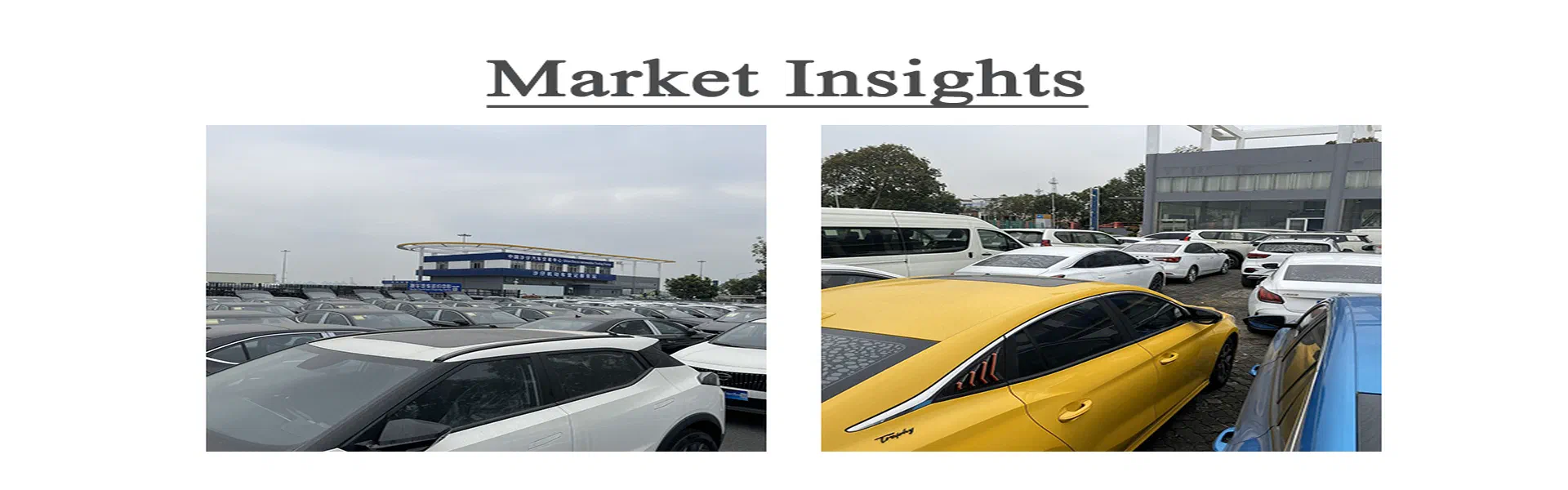
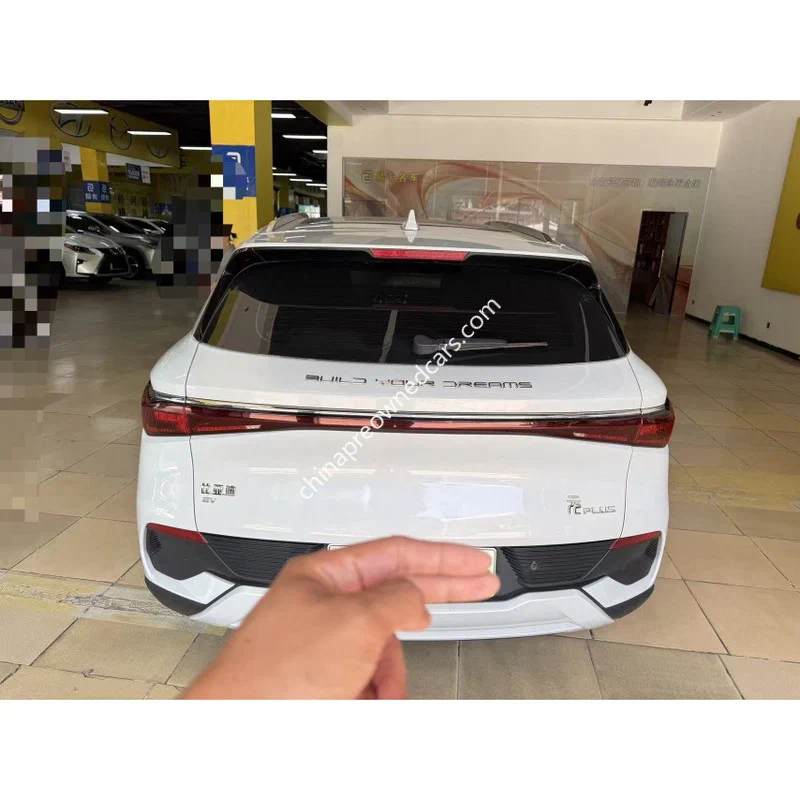
Chinese electric vehicles, particularly those like the BYD Atto 3, Chery Tiggo 7 Plus, and Geely Coolray, are gaining traction in emerging markets such as Africa. Their appeal lies in a combination of affordability, modern features, and increasingly favorable energy policies. However, several factors must be considered when exporting these vehicles, especially concerning battery performance and local regulations.
One significant aspect of electric vehicle exports is the battery state-of-health assessment. Buyers should ensure that the battery capacity is sufficient for the expected range, as this directly affects resale value. Degradation can occur over time, influencing how potential buyers perceive the vehicle’s worth. With various charging standards in play—such as GB/T, CCS, and CHAdeMO—exporters must confirm which systems are compatible with the local infrastructure in destination markets like Kenya and Nigeria. Buyers should be aware of local charging facilities to ensure that the vehicles will be usable upon arrival.
Battery transport regulations, particularly those outlined by UN 3480, play a crucial role in the logistics of exporting electric vehicles. Compliance with these regulations is essential for ensuring safe transport. In addition, the choice of shipping method—either RoRo (Roll-on/Roll-off) or container shipping—can impact delivery times and costs. RoRo is often more efficient for larger shipments, while container shipping may provide additional security for individual vehicles. Documentation requirements for both methods must be meticulously prepared to avoid customs delays.
Market-specific requirements can vary significantly. Most Chinese domestic electric vehicles are left-hand drive, which may limit their appeal in regions where right-hand drive is standard. Import regulations often include checks on vehicle age, emission standards, and roadworthiness. While many African countries are increasingly adopting regulations favorable to electric vehicles, prospective buyers should always verify the current rules with local authorities before proceeding with a purchase.

In terms of demand trends, buyers are showing increasing interest in newer electric models, driven by a shift toward sustainable transportation. Chinese vehicles are often seen as more affordable alternatives to European or Japanese brands, which can command higher prices. This competitive pricing is especially attractive in markets where budget constraints are common. As local economies develop, preferences may shift toward more advanced features and higher-quality offerings, potentially influencing the types of models imported.
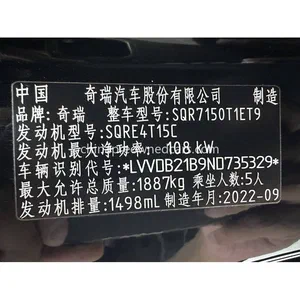
Before finalizing a purchase, buyers should conduct thorough checks on vehicle condition and history. Verifying the VIN and ensuring a pre-purchase inspection can help mitigate risks associated with buying used vehicles. Payment terms should be clearly defined, and after-sales support is an important consideration, especially for electric vehicles that may require specialized service. Shipping lead times can vary, typically ranging from two to four weeks, depending on the chosen method and destination.
FAQ
Q: What should I verify before purchasing an electric vehicle for export?
A: Buyers should check the vehicle’s battery state-of-health, compatibility with local charging infrastructure, and obtain a thorough pre-purchase inspection.
Q: How long does shipping take for electric vehicles from China to Africa?
A: Shipping lead times usually range from two to four weeks, depending on the shipping method chosen.