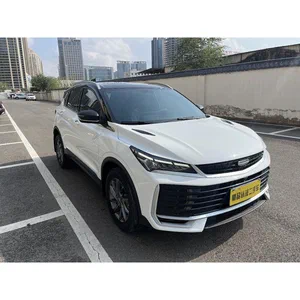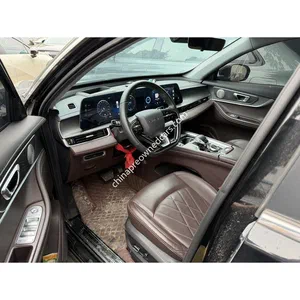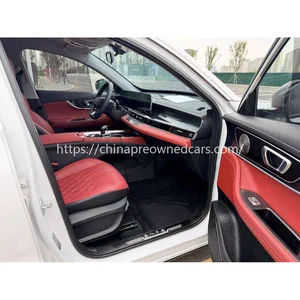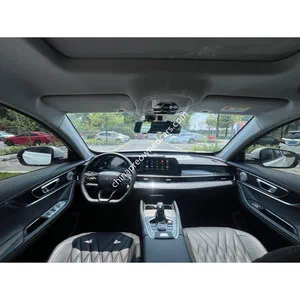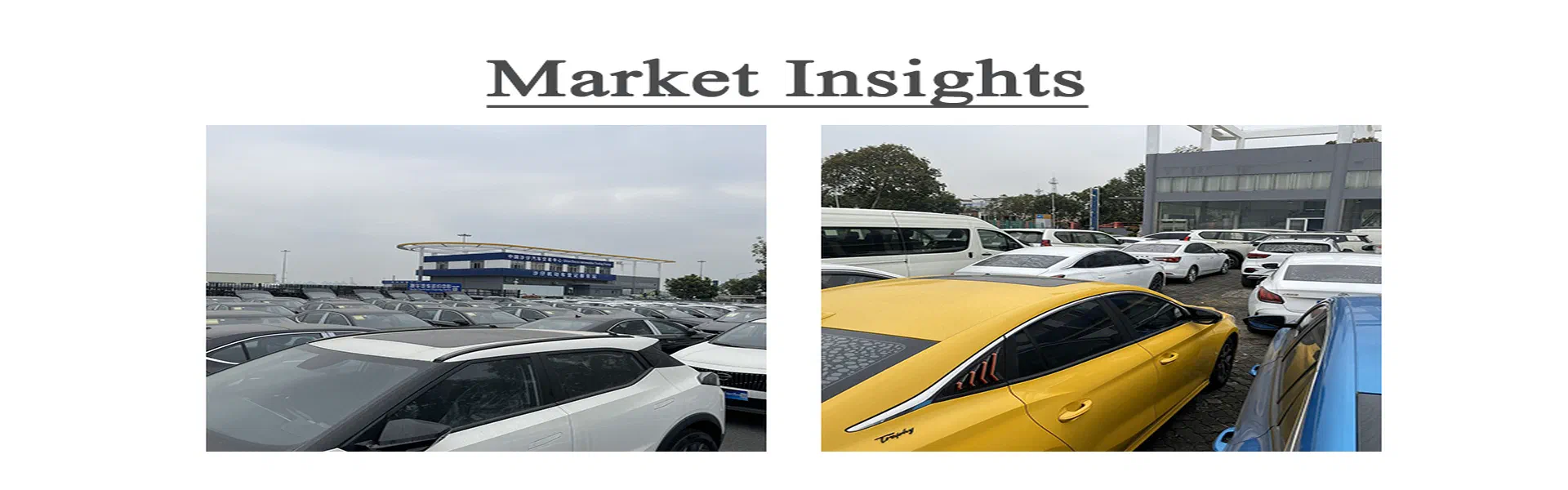
Electric and hybrid vehicles are increasingly relevant in the used vehicle export market, particularly in regions like Africa, the Middle East, and South America. This article examines key considerations for sourcing these vehicles, focusing on specifications, export procedures, market demands, and practical guidance for buyers.
Vehicle Specifications and Suitability

Chinese-brand electric and hybrid SUVs, such as the BYD Atto 3 and Chery Tiggo 8 Pro, offer a range of features suitable for export markets. Buyers should assess battery state-of-health to ensure longevity and performance. Understanding charging connector standards is crucial, as different markets may accept varying types, including GB/T, CCS, and CHAdeMO. Ensuring compatibility with local infrastructure is vital for operational efficiency.
Condition grading is essential when evaluating vehicles for export. Buyers should verify the physical and mechanical condition, as well as battery health, which directly impacts resale value. Battery degradation can affect range and performance, so a thorough evaluation is necessary. Understanding the limits on vehicle age and emission standards in destination countries will guide buyers in their selection process.
Export Procedures and Documentation
Navigating the export process involves several steps, including pre-shipment inspection, customs clearance, and shipping logistics. Export licensing is mandatory for all vehicles, and documentation must be meticulously prepared to comply with regulations. This includes invoices, shipping documents, and customs declarations.
Vehicles can be shipped using RoRo (Roll-on/Roll-off) or container shipping methods. RoRo is generally more cost-effective and quicker, while container shipping provides extra protection for higher-value vehicles. Buyers should consider shipping lead times, which typically range from 15 to 25 days, depending on the destination port and shipping method chosen.
Market-Specific Requirements
Each destination market imposes specific requirements regarding vehicle importation. Most Chinese domestic vehicles are left-hand drive (LHD), which is suitable for many African countries such as Ghana and Nigeria. However, buyers should confirm the drive-side regulations for their specific markets.
Emission standards and age limits can vary significantly. It is essential to verify these regulations before proceeding with any purchase. Many countries may have restrictions on older models or those that do not meet local environmental standards. Buyers should regularly check for updates on these requirements to avoid complications during importation.
Assessing Destination Charging Infrastructure
Understanding the charging infrastructure available in the target market is crucial for electric vehicle buyers. Some countries may have limited charging stations, which can affect the practicality of operating electric vehicles. Evaluating the current charging landscape will help buyers gauge the potential demand and suitability of specific models.
In regions where charging infrastructure is still developing, hybrid vehicles might be more appealing due to their flexibility. This consideration is particularly relevant for markets where electricity supply may be inconsistent; hybrids can operate on traditional fuel, offering a reliable alternative.
Buyer Guidance and Verification
When sourcing used electric or hybrid vehicles, buyers should verify several key details. This includes conducting a thorough inspection of the vehicle’s history, including previous ownership, accident reports, and service records. VIN verification can provide crucial insights into the vehicle’s background and authenticity.
Payment terms should also be clearly outlined before finalizing a purchase. Understanding the implications of payment methods and ensuring secure transactions are fundamental aspects of any vehicle export deal. After-sales support can vary, so buyers should inquire about warranty options and available services in their destination market.
Comparative Analysis of Market Demand
Market demand for Chinese used vehicles is on the rise, especially when compared to European and Japanese alternatives. Chinese brands often provide competitive pricing and value, which appeals to buyers in emerging markets. Models like the Haval H6 and Geely Coolray are increasingly popular due to their affordability and favorable features.
As buyer preferences shift towards more sustainable options, electric and hybrid models are gaining traction. This trend indicates a growing acceptance of Chinese vehicles in segments previously dominated by established brands. Chinese manufacturers’ ability to innovate and meet market needs will be crucial in maintaining this momentum.
Conclusion
The used electric and hybrid vehicle market is evolving, presenting numerous opportunities for exporters and buyers alike. By understanding vehicle specifications, export procedures, market requirements, and buyer expectations, stakeholders can effectively navigate the complexities of this dynamic sector.
FAQ
Q: What should I check before purchasing an electric vehicle for export?
A: Verify the vehicle’s battery state-of-health, history, and compatibility with local charging standards.
Q: How long does it typically take to ship vehicles to Africa?
A: Shipping lead times usually range from 15 to 25 days, depending on the method and destination port.