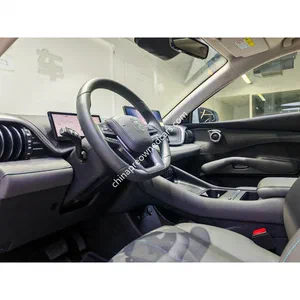
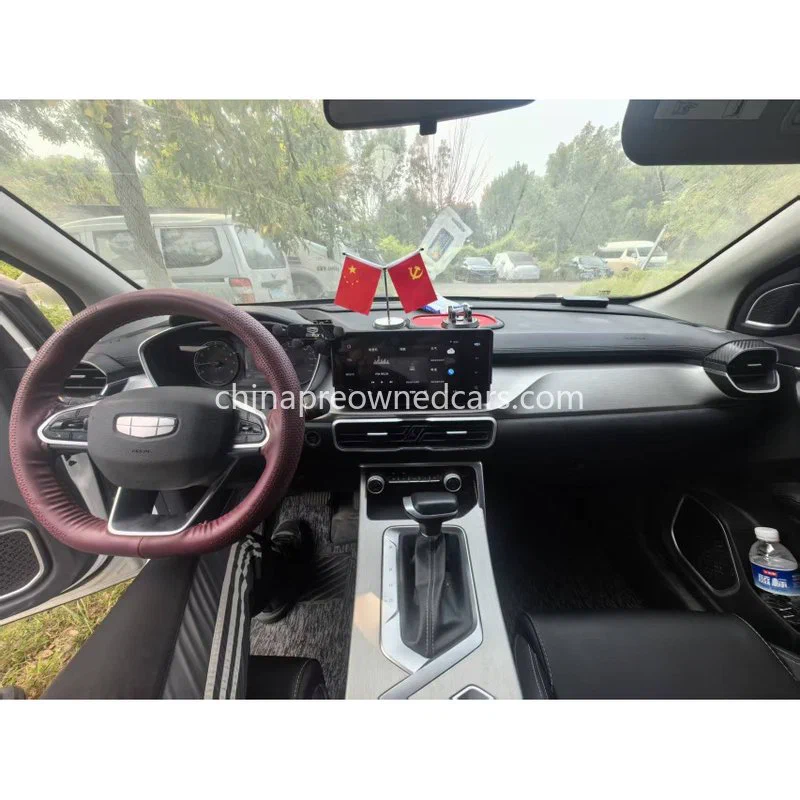
When considering the purchase of affordable used cars, particularly from Chinese exporters, several key factors should be verified to ensure a satisfactory transaction. This includes thorough checks on the vehicle’s condition, appropriate documentation, and the credibility of the exporter. Buyers, especially those looking for the most reliable used car under 5000, must be diligent in their approach.
One of the first aspects to confirm is the vehicle’s condition. This involves verifying the mileage, service history, and any record of accidents. For electric vehicles, such as the BYD Atto 3 or the Chery Tiggo 8 Pro, assessing battery health is crucial. Buyers should request a comprehensive inspection report that details any mechanical issues or prior damages. Additionally, verifying the Vehicle Identification Number (VIN) can help ensure that the car’s history is accurate and that it hasn’t been involved in significant incidents.
Documentation plays a critical role in the export process. Buyers must ensure that the exporter provides an export license, customs clearance paperwork, and the pre-shipment inspection report. These documents are essential for smooth customs processing in destination markets like Ghana or Nigeria. Understanding the specific documentation required for each market can prevent delays and potential issues upon arrival.

Assessing the credibility of the exporter is also vital. Buyers should research the exporter’s reputation through reviews or testimonials from previous customers. Engaging with the exporter directly to ask about their experience in the industry and their knowledge of market-specific requirements can provide insight into their reliability. Transparency in communication and willingness to provide information is a good indicator of a trustworthy partner.
Payment terms are another critical consideration. Most exporters require an upfront deposit, with the remaining balance due before shipment or upon arrival at the destination port. Understanding the payment structure and any potential transaction fees is essential to avoid unexpected costs. Buyers should also inquire about the payment methods accepted, as secure transactions are crucial for protecting investments.
Shipping logistics can significantly impact lead times. Typically, shipping can take anywhere from 15 to 25 days, depending on whether the vehicle is sent via RoRo (Roll-on/Roll-off) or in a container. Buyers should clarify these options with the exporter and confirm which shipping method aligns best with their timelines and budget. Import regulations can vary by country, so it is advisable to verify the vehicle age limits, drive side requirements, and emission standards specific to the destination market.
Common pitfalls include overlooking the importance of pre-purchase inspections and failing to verify vehicle histories. Inadequate checks can lead to costly repairs or compliance issues during customs clearance. Thus, thorough due diligence can help mitigate risks and enhance overall satisfaction with the purchase of used vehicles.
FAQ
Q: What should I check before purchasing a used vehicle?
A: Verify the vehicle’s mileage, service history, accident record, and for electric vehicles, the battery health. Request the inspection report and check the VIN for authenticity.
Q: How can I assess the credibility of an exporter?
A: Research the exporter’s reputation through customer reviews and testimonials, and communicate directly to gauge their knowledge and transparency.
Q: What are the standard payment terms for buying a used car?
A: Most exporters require an upfront deposit, with the remaining balance due before shipment or upon arrival. Clarify accepted payment methods to ensure security.